FLAVORFARMHOUSE.COM
Cook fresh. Bake cozy. Savor every bite.
Simple, reliable recipes for busy days and slow weekends—tested, tasty, and made to share.
Featured Recipes
view all
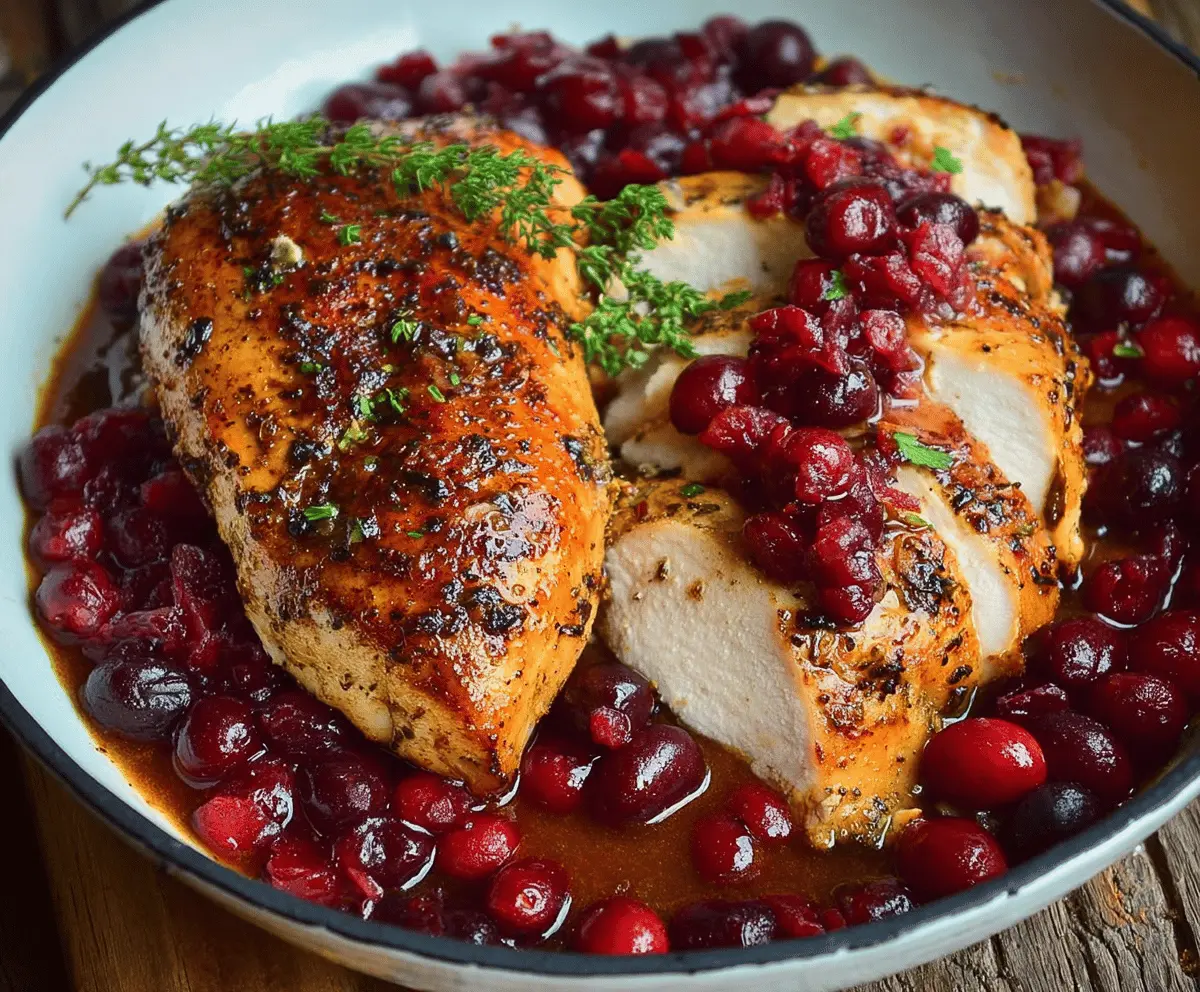
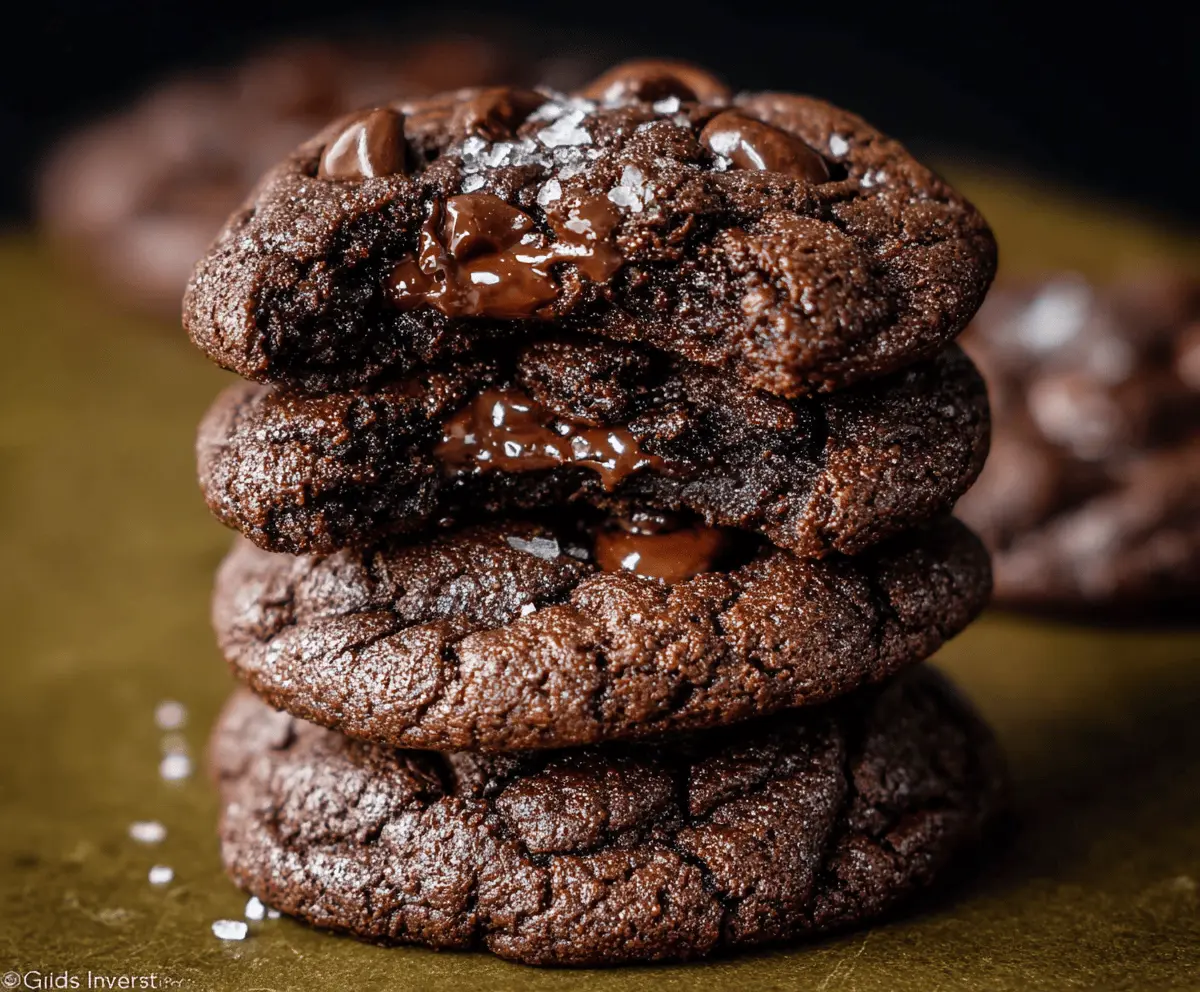
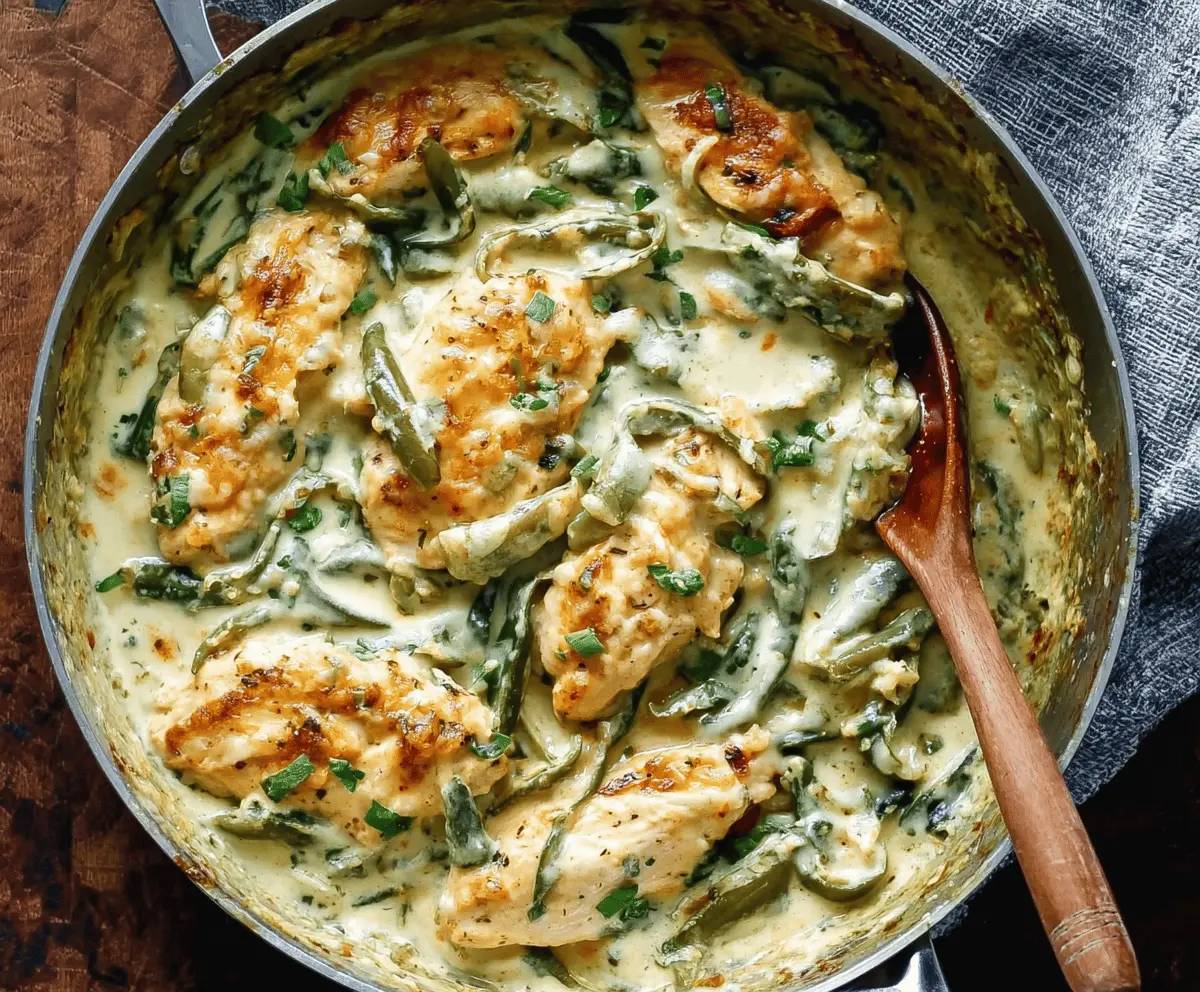
Main Categories
Browse our most loved recipe hubs.
Holiday Recipes
Festive mains, sides, sips, and sweets.
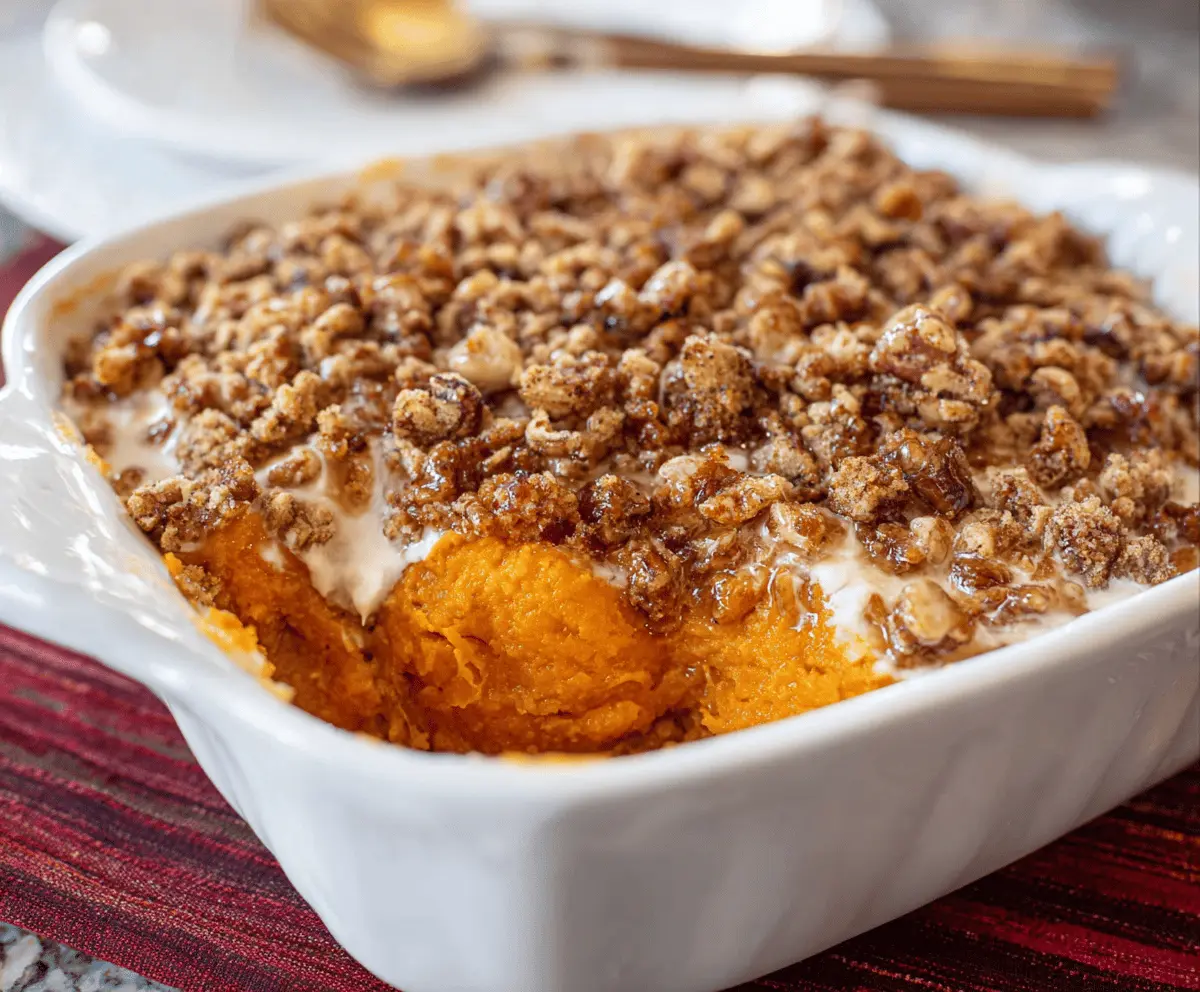
About Flavor Farmhouse
Home-tested recipes for busy days and cozy weekends
We share reliable, approachable dishes—from hearty casseroles to quick weeknight dinners and sweet bakes. Every recipe is tested in our kitchens, written clearly, and photographed with love.

Tessa
Tessa leads recipe testing and edits for clarity. She keeps our style consistent and our directions fail-safe.

Lina
Lina develops quick, family-friendly meals and comfort sides with step-by-step photos and smart swaps.

Oussama
Oussama focuses on casseroles and hearty mains, simplifying techniques so dinner feels easy and doable.
Latest Recipes
view all-

Dinner recipes <p>Golden seared chicken breasts tucked into a silky Parmesan cream sauce is one of those dinners that earns repeat status fast. The sauce lands rich and glossy, but the lemon keeps it from feeling heavy, and the whole pan smells like you put in much more effort than you did. It’s the kind of skillet meal that looks polished enough for company and still comes together on a weeknight without turning the kitchen upside down.</p><p>What makes this version work is the order. The chicken gets a real sear first, which gives the sauce a deeper savory base, and the garlic only cooks long enough to lose its raw edge before the wine or broth lifts the browned bits from the pan. After that, the cream and Parmesan simmer just long enough to thicken without breaking, and the lemon goes in at the end so the sauce stays bright instead of dull and flat.</p><p>Below, I’ve included the small details that matter most: how to keep the chicken juicy, why freshly grated Parmesan behaves better than the pre-shredded kind, and the one move that keeps the sauce smooth instead of grainy.</p><div style="position:relative;background:#fffaf5;border:1px solid #f0e0cc;border-radius:8px;padding:28px 28px 20px 36px;margin:28px 0;box-shadow:0 2px 8px rgba(0,0,0,0.06);"><span style="position:absolute;top:12px;left:16px;font-size:52px;line-height:1;color:#e07b39;opacity:0.25;font-family:Georgia,serif;">“</span><p style="margin:0 0 12px;font-style:italic;font-size:1.05em;color:#3a3a3a;line-height:1.65;">The sauce thickened up beautifully and stayed silky even after I put the chicken back in. I used the white wine and the lemon kept the cream from feeling too rich.</p><div style="display:flex;align-items:center;gap:10px;"><span style="color:#e07b39;font-size:0.95em;letter-spacing:1px;">★★★★★</span><span style="font-size:0.88em;color:#999;">— Melissa R.</span></div></div><div style="background:#f9f0f5;border:1px solid #e8c8d8;padding:16px 20px;margin:28px 0;border-radius:8px;display:flex;align-items:center;gap:16px;flex-wrap:wrap;"><svg xmlns="http://www.w3.org/2000/svg" width="30" height="30" viewBox="0 0 24 24" fill="#e60023" style="flex-shrink:0;"><path d="M12 0C5.373 0 0 5.373 0 12c0 5.084 3.163 9.426 7.627 11.174-.105-.949-.2-2.405.042-3.441.218-.937 1.407-5.965 1.407-5.965s-.359-.719-.359-1.782c0-1.668.967-2.914 2.171-2.914 1.023 0 1.518.769 1.518 1.69 0 1.029-.655 2.568-.994 3.995-.283 1.194.599 2.169 1.777 2.169 2.133 0 3.772-2.249 3.772-5.495 0-2.873-2.064-4.882-5.012-4.882-3.414 0-5.418 2.561-5.418 5.207 0 1.031.397 2.138.893 2.738a.36.36 0 0 1 .083.345l-.333 1.36c-.053.22-.174.267-.402.161-1.499-.698-2.436-2.889-2.436-4.649 0-3.785 2.75-7.262 7.929-7.262 4.163 0 7.398 2.967 7.398 6.931 0 4.136-2.607 7.464-6.227 7.464-1.216 0-2.359-.632-2.75-1.378l-.748 2.853c-.271 1.043-1.002 2.35-1.492 3.146C9.57 23.812 10.763 24 12 24c6.627 0 12-5.373 12-12S18.627 0 12 0z"/></svg><p style="margin:0;font-size:0.95em;color:#555;flex:1;min-width:180px;">Save this creamy Parmesan lemon chicken for the nights when you want a glossy skillet sauce and juicy chicken without a long ingredient list.</p><a id="pin-save-btn" href="#" style="background:#e60023;color:#fff;padding:9px 20px;border-radius:20px;text-decoration:none;font-size:0.88em;font-weight:700;white-space:nowrap;flex-shrink:0;letter-spacing:0.3px;">Save to Pinterest</a></div><script>(function(){var btn=document.getElementById('pin-save-btn');if(btn){btn.href='https://pinterest.com/pin/create/button/?url='+encodeURIComponent(window.location.href);btn.target='_blank';}})();</script><h2>The Part That Keeps the Sauce Smooth Instead of Grainy</h2><p>The most common place this kind of skillet chicken goes wrong is right at the end, when the Parmesan hits the pan too fast or the heat is too high. Parmesan wants gentle heat. If the sauce is boiling hard, the cheese can turn sandy instead of melting into that smooth, clingy texture you want.</p><p>The other thing that matters is the lemon. Add it after the cream has started to thicken, not at the very beginning. Acid can make dairy act up if you rush it, but when the sauce has already taken shape, the lemon sharpens everything without breaking the emulsion.</p><ul><li><strong>Chicken breasts</strong> — Boneless, skinless breasts work best here because they sear cleanly and stay neat in the skillet. If yours are thick on one end, pound them lightly so they cook evenly; that prevents dry edges before the center is done.</li><li><strong>Heavy cream</strong> — This is the backbone of the sauce. Half-and-half will work in a pinch, but the sauce will be thinner and more fragile, so keep the heat low and give it a little longer to reduce.</li><li><strong>Freshly grated Parmesan</strong> — This is the ingredient worth upgrading. Pre-shredded cheese often has anti-caking starch that can make the sauce dull or slightly grainy, while fresh Parmesan melts into a smoother finish.</li><li><strong>Dry white wine or chicken broth</strong> — Wine adds a little sharpness and depth; broth keeps the flavor gentler. Use broth if you don’t want any alcohol note, but still let it simmer for a minute or two so the sauce doesn’t taste flat.</li><li><strong>Lemon juice and zest</strong> — Both matter. Juice brings brightness, but zest carries the fragrant lemon oil that makes the sauce smell fresh instead of just tart.</li></ul><h2>What Each Ingredient Is Actually Doing in This Baked Chicken</h2><figure style="margin:32px 0;"><img src="[IMAGE_URL]" alt="Baked chicken breasts with sauce and herbs" data-pin-media="[IMAGE_URL]" style="width:100%;height:auto;display:block;border-radius:8px;" loading="lazy"/></figure><ul><li><strong>Chicken breasts (the lean protein)</strong> — Cut evenly so pieces cook at the same rate. Let them sit at room temperature for 15 minutes before baking so they cook evenly.</li><li><strong>Olive oil or butter (the cooking medium and richness)</strong> — Good fat keeps the chicken from drying out in the oven. It also carries herb and spice flavors throughout the meat.</li><li><strong>Garlic (the aromatic foundation)</strong> — Fresh minced or thin slices mellow and become sweet when baked, adding depth without overpowering the chicken.</li><li><strong>Cream or broth (the sauce base)</strong> — This creates the glossy sauce that keeps baked chicken from tasting dry. It also helps flavors develop and carry.</li><li><strong>Lemon juice or vinegar (the brightness)</strong> — Acid prevents the cream sauce from tasting too heavy and keeps the dish from being one-dimensional.</li><li><strong>Fresh herbs or spices (the personality)</strong> — Basil, thyme, oregano, paprika, or Italian seasoning all work. Choose ones that complement your other flavors.</li><li><strong>Cheese (optional richness)</strong> — Parmesan or feta adds creaminess and salt that enhances all other flavors. Don’t overdo it or the dish becomes heavy.</li><li><strong>Proper oven temperature (the key to juicy chicken)</strong> — 375-400°F bakes chicken through without drying the edges. Check with a thermometer for 165°F internal temp.</li></ul><h2>Building the Skillet Sauce in the Right Order</h2><h3>Seasoning and Searing the Chicken</h3><p>Season the chicken generously on both sides so the meat has flavor under the sauce, not just on top of it. Heat the oil until it shimmers, then lay the chicken in without crowding the pan. You want a deep golden crust that releases cleanly when it’s ready; if it sticks, leave it alone a little longer. Pull the chicken once it reaches 165°F, then set it aside so it can rest while the sauce comes together.</p><h3>Picking Up the Brown Bits</h3><p>Drop the garlic into the pan and cook it just until fragrant, about 30 seconds. Any longer and it can turn bitter, especially after the pan has already been hot from searing. Pour in the wine or broth and scrape the bottom well with a wooden spoon; those browned bits dissolve into the sauce and give it the savory backbone it needs. Let that liquid reduce for a couple of minutes so the raw edge cooks off.</p><h3>Finishing the Cream Sauce</h3><p>Lower the heat before the cream goes in. Stir slowly and keep the sauce at a gentle simmer, not a rolling boil. Add the Parmesan in handfuls, stirring until each addition melts before adding more; that’s how you keep the sauce smooth instead of clumpy. Once it thickens enough to coat a spoon, stir in the lemon juice and zest, then finish with butter for a glossy, rounded texture.</p><h3>Bringing It All Back Together</h3><p>Return the chicken to the skillet and spoon the sauce over the top so the meat picks up flavor again as it warms through. Give it a minute or two in the sauce, just long enough for everything to mingle without overcooking the chicken. Garnish with parsley and lemon slices right at the end so the dish looks fresh and the herbs stay bright.</p><h2>How to Adapt It When You Need a Different Version</h2><div style="margin:28px 0;display:flex;flex-direction:column;gap:12px;"><div style="background:#fafafa;border-radius:8px;padding:20px 24px;border:1px solid #e8e8e8;"><h3 style="margin:0 0 10px;font-size:1em;color:#2a2a2a;">Dairy-Free Version</h3><p style="margin:0;font-size:0.95em;color:#555;line-height:1.7;">Use full-fat canned coconut milk in place of the cream and skip the butter, then add the Parmesan substitute of your choice only if it melts well. The sauce will be slightly sweeter and less classic, but it still turns out silky if you keep the heat low and don’t boil it hard.</p></div><div style="background:#fafafa;border-radius:8px;padding:20px 24px;border:1px solid #e8e8e8;"><h3 style="margin:0 0 10px;font-size:1em;color:#2a2a2a;">Gluten-Free and Naturally Thickened</h3><p style="margin:0;font-size:0.95em;color:#555;line-height:1.7;">This recipe is already gluten-free as written, as long as your broth is certified gluten-free. The sauce thickens from reduction and cheese, so there’s no flour to work around and no extra starch needed.</p></div><div style="background:#fafafa;border-radius:8px;padding:20px 24px;border:1px solid #e8e8e8;"><h3 style="margin:0 0 10px;font-size:1em;color:#2a2a2a;">Thighs Instead of Breasts</h3><p style="margin:0;font-size:0.95em;color:#555;line-height:1.7;">Chicken thighs bring more richness and stay juicy a little longer, which is handy if you’re cooking for a crowd or prefer dark meat. They may need a few extra minutes in the pan, but the sauce method stays the same.</p></div><div style="background:#fafafa;border-radius:8px;padding:20px 24px;border:1px solid #e8e8e8;"><h3 style="margin:0 0 10px;font-size:1em;color:#2a2a2a;">Make It a Little Lighter</h3><p style="margin:0;font-size:0.95em;color:#555;line-height:1.7;">Swap half the cream for evaporated milk and keep the sauce at a gentle simmer. You’ll lose some richness, but you still get a creamy skillet finish without making the dish feel heavy.</p></div><div style="background:#fafafa;border-radius:8px;padding:20px 24px;border:1px solid #e8e8e8;"><h3 style="margin:0 0 10px;font-size:1em;color:#2a2a2a;">Storage and Reheating</h3><ul style="margin:0;padding-left:18px;font-size:0.95em;color:#555;line-height:1.8;"><li><strong>Refrigerator:</strong> Store leftovers in an airtight container for up to 3 days. The sauce will thicken as it chills.</li><li><strong>Freezer:</strong> I don’t recommend freezing this one. Cream sauces can separate when thawed, and the texture won’t come back quite right.</li><li><strong>Reheating:</strong> Warm gently in a skillet over low heat with a splash of broth or cream. High heat can break the sauce and dry out the chicken before the center is hot.</li></ul></div></div><h2>Answers to the Questions Worth Asking</h2><div style="margin:28px 0;display:flex;flex-direction:column;gap:8px;"><details style="background:#fafafa;border:1px solid #e8e8e8;border-radius:8px;overflow:hidden;" itemscope itemprop="mainEntity" itemtype="https://schema.org/Question"><summary itemprop="name" style="padding:16px 20px;cursor:pointer;font-weight:600;font-size:0.97em;color:#2a2a2a;list-style:none;display:flex;justify-content:space-between;align-items:center;">Can I use milk instead of heavy cream?<span style="font-size:1.1em;color:#aaaaaa;flex-shrink:0;margin-left:12px;">+</span></summary><div itemscope itemprop="acceptedAnswer" itemtype="https://schema.org/Answer"><p itemprop="text" style="margin:0;padding:0 20px 18px;font-size:0.95em;color:#555;line-height:1.7;">I wouldn’t use regular milk here. It’s too thin and more likely to break when the lemon and Parmesan go in. Half-and-half can work if you keep the heat low, but heavy cream gives you the most stable sauce.</p></div></details><details style="background:#fafafa;border:1px solid #e8e8e8;border-radius:8px;overflow:hidden;" itemscope itemprop="mainEntity" itemtype="https://schema.org/Question"><summary itemprop="name" style="padding:16px 20px;cursor:pointer;font-weight:600;font-size:0.97em;color:#2a2a2a;list-style:none;display:flex;justify-content:space-between;align-items:center;">How do I keep the sauce from curdling?<span style="font-size:1.1em;color:#aaaaaa;flex-shrink:0;margin-left:12px;">+</span></summary><div itemscope itemprop="acceptedAnswer" itemtype="https://schema.org/Answer"><p itemprop="text" style="margin:0;padding:0 20px 18px;font-size:0.95em;color:#555;line-height:1.7;">Keep the heat at a low simmer once the cream goes in, and add the lemon after the sauce has already started to thicken. If the pan is boiling, dairy can separate and the cheese won’t melt smoothly. Gentle heat is what keeps everything glossy.</p></div></details><details style="background:#fafafa;border:1px solid #e8e8e8;border-radius:8px;overflow:hidden;" itemscope itemprop="mainEntity" itemtype="https://schema.org/Question"><summary itemprop="name" style="padding:16px 20px;cursor:pointer;font-weight:600;font-size:0.97em;color:#2a2a2a;list-style:none;display:flex;justify-content:space-between;align-items:center;">Can I make creamy Parmesan lemon chicken ahead of time?<span style="font-size:1.1em;color:#aaaaaa;flex-shrink:0;margin-left:12px;">+</span></summary><div itemscope itemprop="acceptedAnswer" itemtype="https://schema.org/Answer"><p itemprop="text" style="margin:0;padding:0 20px 18px;font-size:0.95em;color:#555;line-height:1.7;">Yes, but it’s best reheated gently. The sauce will thicken in the fridge, so store a little extra broth or cream with it if you know you’ll be warming leftovers. I’d still cook the chicken fresh if you can, because the sear tastes best right out of the pan.</p></div></details><details style="background:#fafafa;border:1px solid #e8e8e8;border-radius:8px;overflow:hidden;" itemscope itemprop="mainEntity" itemtype="https://schema.org/Question"><summary itemprop="name" style="padding:16px 20px;cursor:pointer;font-weight:600;font-size:0.97em;color:#2a2a2a;list-style:none;display:flex;justify-content:space-between;align-items:center;">How do I know when the chicken is done?<span style="font-size:1.1em;color:#aaaaaa;flex-shrink:0;margin-left:12px;">+</span></summary><div itemscope itemprop="acceptedAnswer" itemtype="https://schema.org/Answer"><p itemprop="text" style="margin:0;padding:0 20px 18px;font-size:0.95em;color:#555;line-height:1.7;">The most reliable check is an instant-read thermometer in the thickest part of the breast. Pull it at 165°F, then let it rest while you build the sauce. If you cut into it to check, you lose the juices you’re trying to keep.</p></div></details><details style="background:#fafafa;border:1px solid #e8e8e8;border-radius:8px;overflow:hidden;" itemscope itemprop="mainEntity" itemtype="https://schema.org/Question"><summary itemprop="name" style="padding:16px 20px;cursor:pointer;font-weight:600;font-size:0.97em;color:#2a2a2a;list-style:none;display:flex;justify-content:space-between;align-items:center;">Can I use bottled lemon juice?<span style="font-size:1.1em;color:#aaaaaa;flex-shrink:0;margin-left:12px;">+</span></summary><div itemscope itemprop="acceptedAnswer" itemtype="https://schema.org/Answer"><p itemprop="text" style="margin:0;padding:0 20px 18px;font-size:0.95em;color:#555;line-height:1.7;">Fresh lemon is worth it here. Bottled juice can taste flat or harsh, and you lose the bright aroma from the zest. If bottled is all you have, use a little less at first and taste before adding more.</p></div></details></div><div id="recipe-card">[RECIPE_CARD_SHORTCODE]</div> -

Dinner recipes Texas Roadhouse Smothered Chicken Copycat -

Dinner recipes Creamy Ranch Chicken -
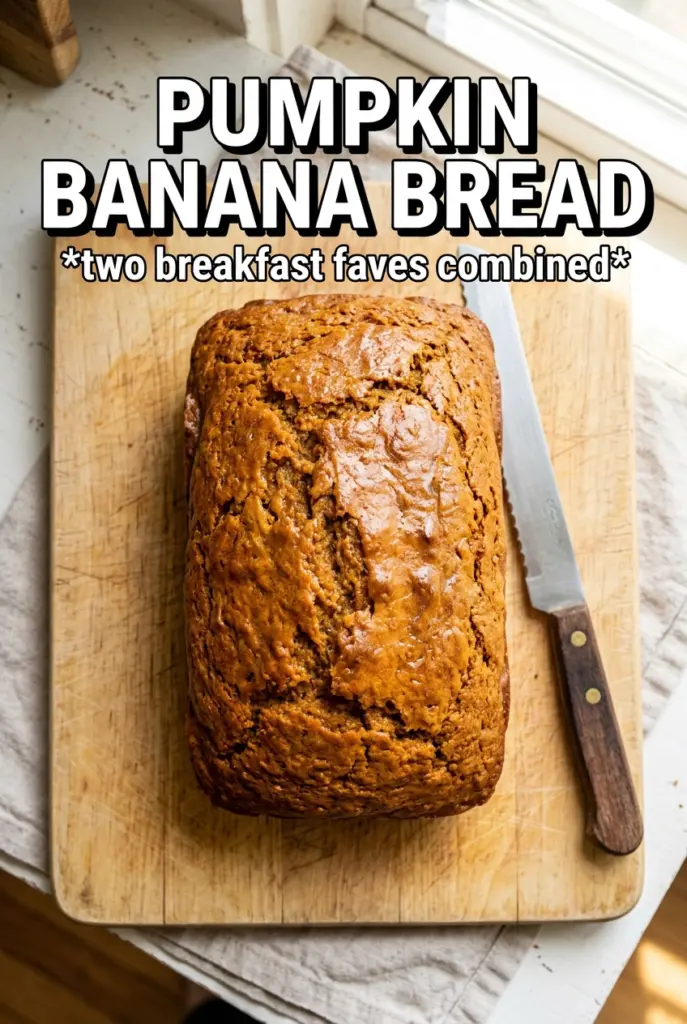
Desserts & Baking Pumpkin Banana Bread -

Desserts & Baking Pumpkin Brioche Bread -
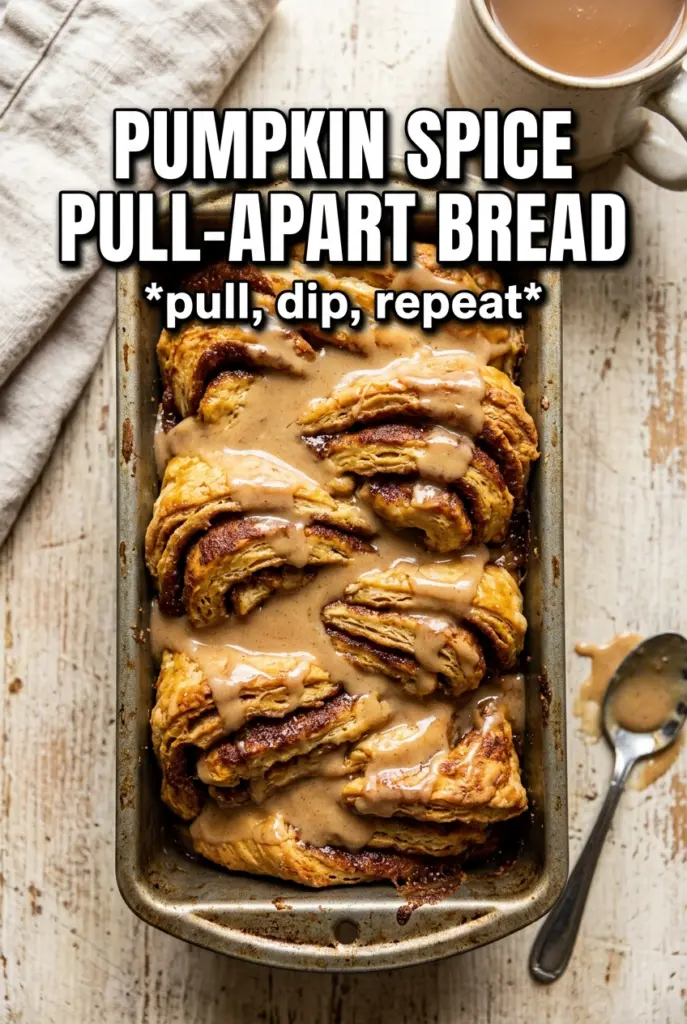
Desserts & Baking Pumpkin Spice Pull Apart Bread -

Desserts & Baking Copycat Starbucks Pumpkin Bread -

Soups, Stews & Chili Slow Cooker Potato Soup