Spiced pumpkin bread earns its place on the counter because it stays soft for days, slices cleanly, and brings a deep, warm spice flavor that never tastes flat. The crumb is tender and moist without turning gummy, and the brown butter glaze adds a nutty finish that makes each slice feel a little more special than the usual quick loaf.
What sets this version apart is the spice blend. Cinnamon and ginger give it the familiar pumpkin bread backbone, but cardamom, cloves, allspice, and a small pinch of black pepper make the flavor fuller and more rounded. Molasses does the same kind of work in the background, giving the loaf a darker, almost caramel-like depth that pumpkin puree alone can’t provide.
Below you’ll find the trick that keeps the loaf from baking up dense, plus a few smart swaps if you need to work with what you already have in the pantry. The glaze is optional in theory, but once you taste it, it stops feeling optional fast.
The loaf stayed incredibly moist for three days, and the brown butter glaze set up just enough that the slices didn’t get sticky. The cardamom and black pepper gave it a deeper spice flavor than my usual pumpkin bread.
Save this spiced pumpkin bread with brown butter glaze for a loaf that slices softly, bakes up deeply spiced, and never tastes one-note.
The Spice Blend Is Doing More Than Pumpkin Ever Could Alone
Pumpkin puree brings moisture and body, but it doesn’t carry much flavor on its own. The reason this loaf tastes deep instead of bland is the way the spices are layered: cinnamon and ginger give you the familiar warmth, while cardamom, cloves, allspice, and black pepper build complexity underneath. That little bit of black pepper doesn’t make it peppery; it sharpens the rest of the spices so they read more clearly.
Molasses matters here for the same reason. It darkens the sweetness and makes the bread taste fuller without adding more sugar. If you skip it, the loaf will still work, but the flavor will be lighter and a little less rounded. The goal is a loaf that tastes like pumpkin bread after someone paid attention to it.
What Each Ingredient Is Actually Doing In This Loaf
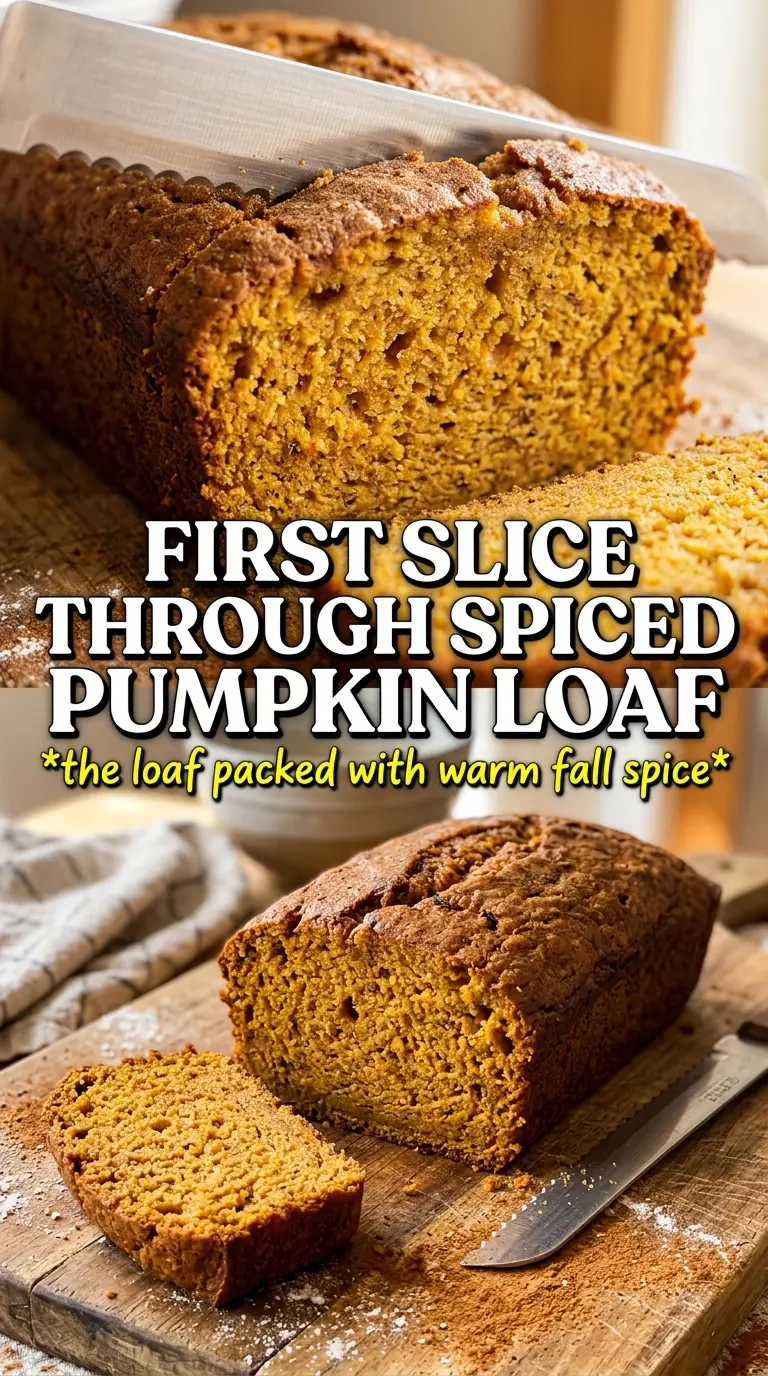
- Pumpkin puree — Use plain pumpkin puree, not pumpkin pie filling. The puree supplies moisture and structure, while pie filling would throw off both the spice balance and the sweetness.
- Brown sugar and granulated sugar — The granulated sugar keeps the crumb lighter, while the brown sugar adds a little molasses note and helps the loaf stay soft. You need both for the best texture.
- Vegetable oil — Oil keeps this bread tender for days in a way butter can’t quite match. Melted butter gives better flavor, but it also firms up more as the loaf cools, so the crumb won’t stay as plush.
- Molasses — This is the ingredient that makes the spice flavor taste deeper and less sugary. Dark molasses gives the strongest effect; light molasses works too if that’s what you have.
- Cardamom, cloves, allspice, and black pepper — These are the quiet detail makers. If you’re missing one, the loaf will still bake fine, but the flavor loses some of its depth and edge.
- Brown butter glaze — Browning the butter first gives the glaze a toasted, nutty note that plays well against the spice. If you rush the browning, the glaze will taste flat, so wait for those golden brown milk solids and that warm, nutty smell.
Mixing the Batter Without Making the Loaf Heavy
Whisk the dry ingredients until the spices disappear into the flour
Start with the flour, baking soda, salt, and all the spices in one bowl. You want the color to look evenly speckled, with no clumps of cinnamon or pockets of clove hiding in one spot. That first whisk does more than combine ingredients; it spreads the baking soda and spice evenly so the loaf rises and tastes consistent all the way through.
Build a smooth pumpkin base before the flour goes in
Whisk the pumpkin puree, sugars, oil, eggs, vanilla, and molasses until the mixture looks glossy and uniform. The molasses should disappear fully, not sit in streaks at the bottom of the bowl. If you see separation here, keep whisking before you add the flour, because once the dry ingredients go in you want to stir as little as possible.
Fold just until the flour disappears
Add the dry ingredients to the wet mixture and fold with a spatula until no dry streaks remain. Stop there. Overmixing makes quick bread tough and can leave you with a tunneled loaf instead of a tender crumb. The batter will be thick, and that’s exactly what you want for a bread that slices cleanly after it cools.
Bake until the center springs back and the loaf has a deep crust
Scrape the batter into a greased 9×5 loaf pan and bake at 350°F for 60 to 65 minutes. The top should be deeply golden, the edges set, and a tester inserted in the center should come out with only a few moist crumbs. If the top darkens too quickly before the center is done, lay a loose piece of foil over it for the last stretch of baking.
How to Make It Dairy-Free Without Losing the Glaze
The loaf itself is already dairy-free because it uses oil, so the only change you need is in the glaze. Swap the milk for an unsweetened plant milk and keep the browned butter glaze as written if you eat dairy, or skip the glaze and dust the cooled loaf with powdered sugar if you need a fully dairy-free finish. The bread still tastes rich without any topping at all.
How to Use All Butter Instead of Oil
Melted butter can replace the oil 1:1 if you want a stronger buttery flavor, but the crumb will be a touch less soft once the loaf cools. That works fine if you plan to eat it warm. For the most tender slice on day two and day three, stick with oil in the batter and save the butter flavor for the glaze.
How to Make It Gluten-Free
Use a good 1:1 gluten-free baking blend that already contains xanthan gum. The batter should still look thick but spreadable; if the blend is especially absorbent, let the batter rest for 10 minutes before baking so it hydrates evenly. The texture will be a little more delicate, but the spices and glaze carry the flavor beautifully.
Storage and Reheating
- Refrigerator: Store covered for up to 5 days. The loaf stays moist, though the glaze will soften a bit by day two.
- Freezer: Freeze slices or the whole loaf, tightly wrapped, for up to 3 months. Freeze before glazing if you want the cleanest texture after thawing.
- Reheating: Warm slices in the microwave for 10 to 15 seconds or in a low oven until just heated through. Don’t overheat it or the crumb turns tight and dry.
Answers to the Questions Worth Asking
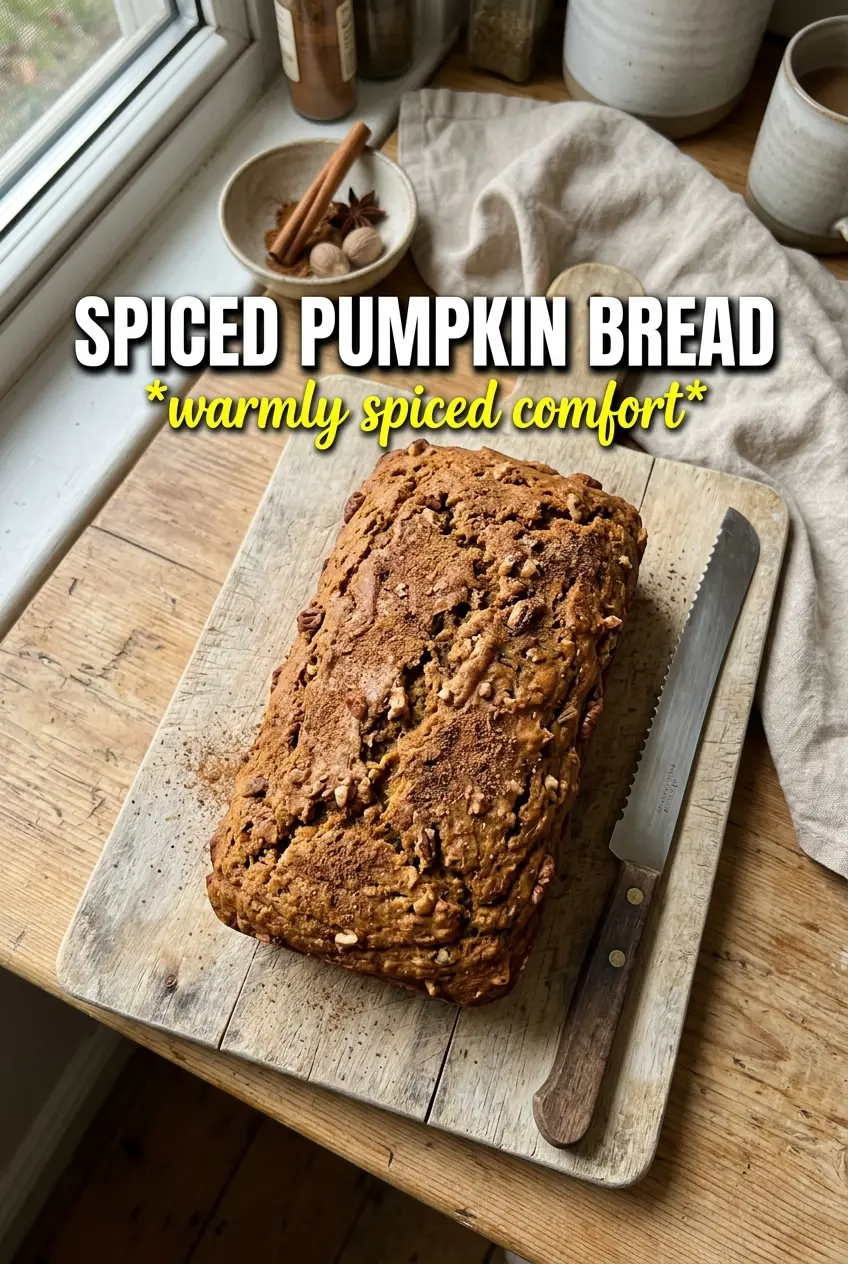
Spiced Pumpkin Bread
Ingredients
Equipment
Method
- Preheat oven to 350F and grease a 9x5 loaf pan.
- Whisk flour, baking soda, and all spices plus salt until evenly combined.
- Whisk pumpkin puree, both sugars, vegetable oil, eggs, vanilla, and molasses until smooth.
- Fold the dry ingredients into the wet mixture until just combined, then pour into the loaf pan.
- Bake for 60-65 minutes at 350F until the loaf is done.
- Cool completely before serving, then drizzle with the brown butter glaze.