Vegan pasta salad works when the pasta stays springy, the vegetables keep their bite, and the vinaigrette clings to every curve instead of pooling in the bottom of the bowl. That balance is what makes this version worth keeping around. It eats like a full meal on a hot day, but it still lands where a good side dish should: bright, sturdy, and easy to make ahead.
The key is cooling the pasta completely before it meets the dressing. Warm pasta drinks up vinaigrette too fast and leaves the salad flat by the time it hits the table. A little Dijon helps the oil and vinegar stay emulsified, and the mix of briny olives, sweet roasted peppers, and chewy sun-dried tomatoes gives the salad enough depth that you don’t need cheese to make it feel complete.
Below you’ll find the small details that matter here, from the right way to chill the pasta to the substitutions that still keep the bowl balanced. If you’ve ever had pasta salad go watery or bland after an hour, this version fixes both problems.
I chilled it for about 30 minutes like you said, and the dressing soaked into the pasta without turning it mushy. The basil and roasted red peppers made it taste fresh even the next day.
Save this vegan pasta salad for the days when you want a tangy, colorful side that still tastes great after chilling.
Why This Pasta Salad Stays Bright Instead of Blending Into One Note
The biggest mistake with pasta salad is treating the dressing like an afterthought. Once the pasta is cooked, it needs to be cooled all the way down before the vinaigrette goes on, or the oil and vinegar slide right off the surface and collect at the bottom. Cold pasta grips the dressing better, which is why this salad tastes seasoned all the way through instead of only on top.
The other thing that keeps it interesting is contrast. Briny olives, sweet roasted red peppers, chewy sun-dried tomatoes, and sharp red onion all pull in different directions, which keeps every bite from going mushy or bland. If you use a pasta shape with ridges or curls, the vinaigrette settles into those grooves and gives the whole bowl more flavor without needing extra sauce.
- Rotini or penne — Both hold dressing well, but rotini gives you a little more surface area for the vinaigrette to cling to. Any short pasta with texture will work better than long noodles here.
- Dijon mustard — This is what helps the dressing emulsify. Skip it and the oil and vinegar separate faster, which makes the salad taste uneven after it sits.
- Sun-dried tomatoes — They bring concentrated sweetness and chew. If yours are packed in oil, drain them well so the salad doesn’t get greasy.
- Fresh basil — Add it at the end. If it goes in too early, it bruises and fades into the dressing instead of giving you that fresh finish.
What Each Ingredient Is Actually Doing in This Pasta Salad
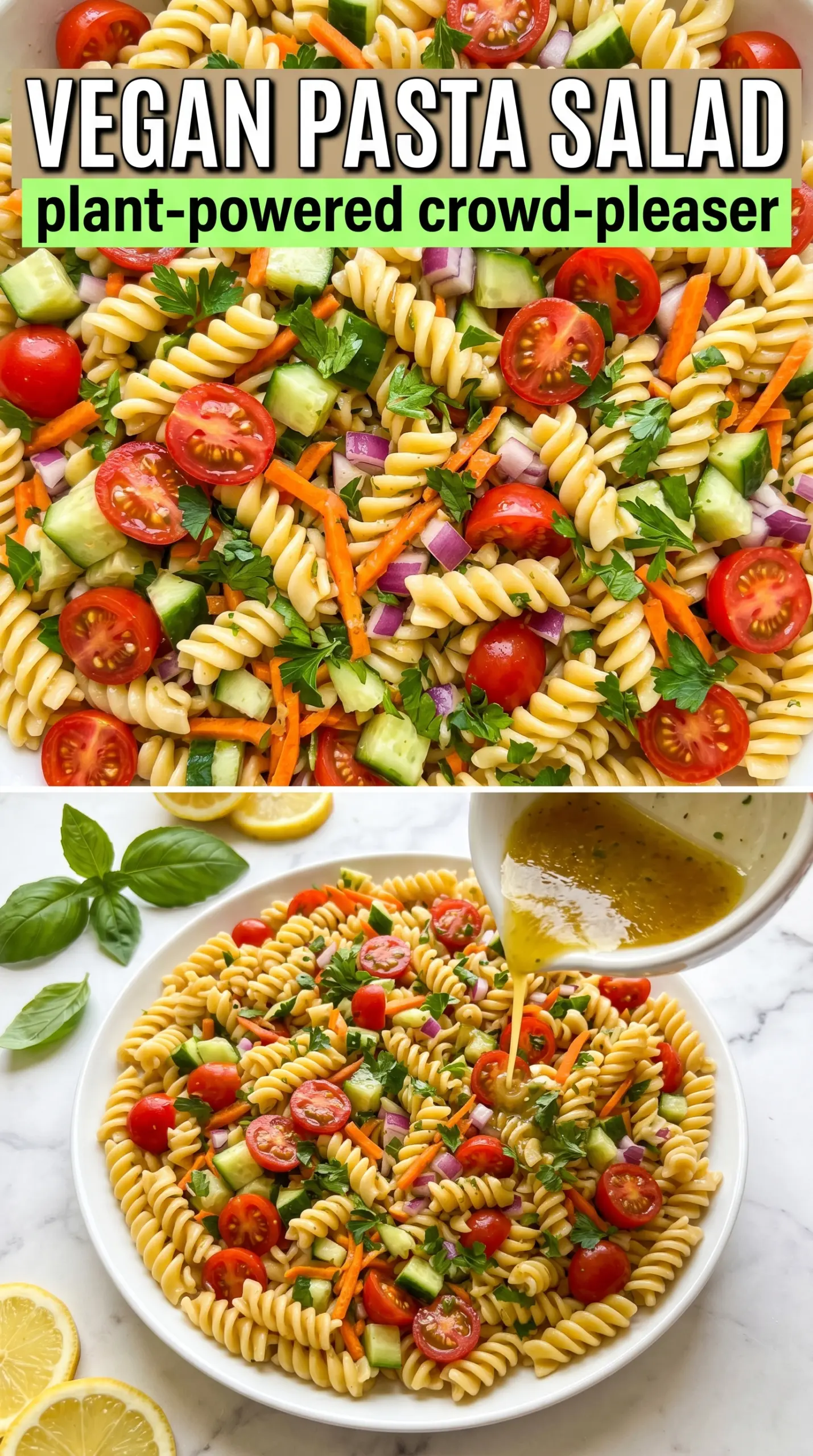
- Cooked pasta (the foundation) — Short shapes like penne or rotini hold dressing better than long noodles. Cook to al dente and cool completely before dressing.
- Olive oil or vinaigrette (the binding medium) — This carries all the flavors throughout and keeps the pasta from clumping. Don’t skip the emulsifier (mustard or vinegar) or the oil separates.
- Vinegar or lemon juice (the brightness) — Acid prevents the salad from tasting heavy and keeps it tasting fresh even after chilling. Fresh is better than bottled.
- Fresh vegetables (the texture and nutrition) — Cut to similar sizes so they cook evenly if blanched. Raw vegetables add crunch; cooked ones soften and absorb flavor.
- Cheese (the creaminess and salt) — Whether feta, parmesan, or mozzarella, cheese adds richness and prevents the salad from tasting one-dimensional.
- Olives, capers, or sun-dried tomatoes (the briny contrast) — These bring sharp flavor that balances sweet vegetables and creamy dressing. They keep the salad interesting.
- Fresh herbs (the finish) — Basil, parsley, or dill added at the end stay bright and fragrant. Cooked herbs lose their personality.
- Proper chilling time (the flavor settling) — 30 minutes lets flavors meld without the pasta getting soggy. The cold temperature also mutes seasoning, so season boldly.
Building the Dressing So It Clings to the Pasta
Whisk the vinaigrette until it looks slightly thickened
Combine the olive oil, red wine vinegar, Dijon, Italian seasoning, garlic powder, and sweetener in a bowl and whisk until the dressing looks unified and a little glossy. You want it loose enough to pour, but not thin and separated. If the mustard isn’t fully mixed in, the dressing will hit the pasta in streaks instead of coating everything evenly.
Cool the pasta all the way down before mixing
Drain the pasta, rinse it under cold water, and let it cool completely. Warm pasta softens the vegetables and dilutes the dressing, which is how pasta salad turns slippery and flat. A quick toss every minute or so while it sits helps keep the noodles from clumping into one heavy mass.
Toss the vegetables while the pasta is dry and cool
Add the artichokes, olives, roasted red peppers, sun-dried tomatoes, red onion, and cherry tomatoes to the cooled pasta before the basil goes in. This lets the heavier ingredients get distributed first, so you don’t end up with all the olives at the bottom of the bowl. Use a big bowl and fold everything together gently so the pasta keeps its shape.
Let the salad rest, then finish with one more toss
After the dressing goes in, refrigerate the salad for 30 minutes. That resting time matters because the pasta absorbs some of the vinaigrette and the flavors settle in. Right before serving, toss it again and taste for salt and pepper, since chilled pasta dulls seasoning a bit more than warm pasta does.
How to Adjust This Bowl Without Losing the Balance
Make it gluten-free with a sturdy pasta
Use a gluten-free rotini or penne that holds its shape after boiling. Some gluten-free pastas soften quickly once dressed, so stop at true al dente and chill it promptly. If the brand you use tends to break apart, toss it very gently and add an extra spoonful of dressing right before serving.
Make it lower-oil without drying it out
Cut the olive oil a little and replace the missing volume with extra vinegar plus a splash of water or aquafaba. The dressing will be lighter and less glossy, but the mustard still helps it cling. This version works best if you serve it the same day, since a leaner dressing doesn’t stay as plush after chilling.
Swap the vegetables based on what you have
Broccoli florets, cucumber, chickpeas, or marinated artichokes can all slide in here. Keep at least one briny ingredient and one sweet ingredient so the salad still has contrast. If you use watery vegetables like cucumber, seed them first so the dressing doesn’t get diluted.
Storage and Reheating
- Refrigerator: Keeps well for 3 to 4 days. The pasta will absorb more dressing as it sits, so expect the salad to look a little drier on day two and loosen it with a splash of olive oil or vinegar before serving.
- Freezer: Don’t freeze this one. The pasta turns soft, and the fresh vegetables lose their texture once thawed.
- Reheating: This salad is meant to be served cold or cool. If it has been in the fridge for a while, let it sit at room temperature for 10 to 15 minutes and toss again instead of heating it, which would wilt the basil and make the tomatoes collapse.
Answers to the Questions Worth Asking
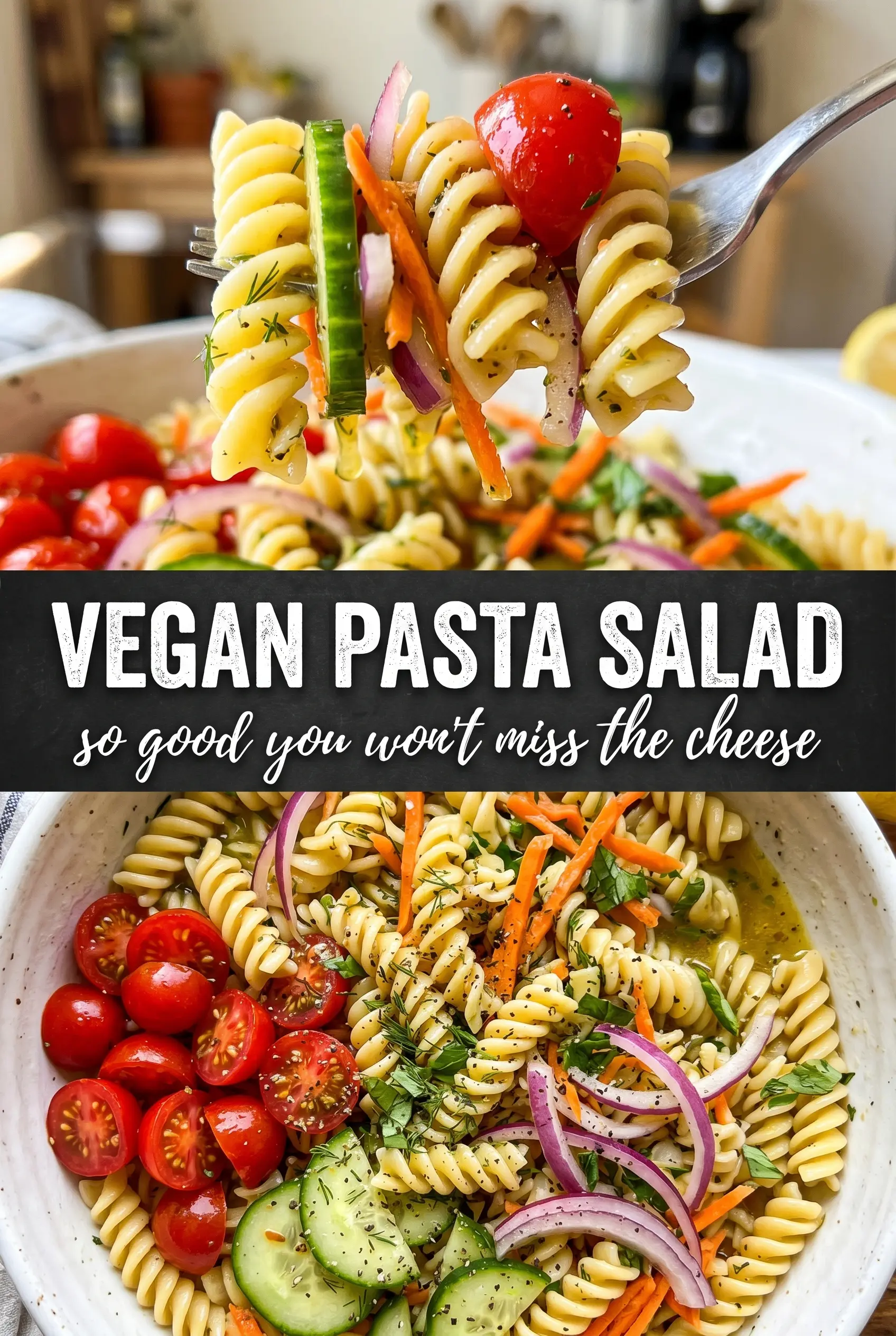
Vegan Pasta Salad
Ingredients
Equipment
Method
- Bring a large pot of salted water to a boil, then cook the rotini or penne pasta until al dente. Drain and rinse under cold water to stop cooking, then spread on a sheet pan to cool completely.
- Whisk the olive oil, red wine vinegar, Dijon mustard, Italian seasoning, garlic powder, and honey or maple syrup together until smooth. Season with salt and black pepper to taste.
- In a large bowl, combine the cooled pasta with artichoke hearts, kalamata olives, roasted red peppers, sun-dried tomatoes, red onion, and cherry tomatoes. Toss until the mix is evenly distributed.
- Pour the vinaigrette over the pasta mixture and toss to coat every piece. Continue tossing for 30 to 60 seconds until glossy.
- Fold in the fresh basil and season again with salt and black pepper as needed. Taste and adjust so the flavor pops.
- Cover and refrigerate the salad for 30 minutes to let the flavors meld. Toss again right before serving so the vegetables and pasta are evenly coated.