Cold pasta salad lives or dies on the dressing, and this one stays creamy without turning pasty or bland after chilling. The pasta holds onto every bit of the tangy dressing, the vegetables stay crisp, and the cheddar adds those little salty bites that keep each forkful interesting.
The trick is balancing richness with enough acid to keep the salad awake. Mayonnaise gives body, sour cream keeps it lighter and silkier, and apple cider vinegar sharpens everything so the pasta doesn’t just taste coated. Rinsing the pasta cold matters here, too, because it stops the cooking fast and keeps the dressing from disappearing into hot noodles.
Below you’ll find the small details that make this version work: when to season, why the salad needs time to chill, and how to keep it creamy if you’re making it ahead for a picnic or potluck.
The dressing coated every piece of pasta without pooling at the bottom, and after chilling for two hours it tasted even better. I added a splash more dressing right before serving and it held up perfectly at our cookout.
Creamy pasta salad with tangy dressing and crisp vegetables like this one is worth keeping on hand for cookouts and potlucks.
The Secret to Creamy Pasta Salad That Stays Creamy After Chilling
The biggest mistake with pasta salad is treating the dressing like a one-time coating. Pasta drinks up dressing as it sits, especially once it has cooled, which is why a salad that looks perfect at first can seem dry an hour later. This version accounts for that by using a dressing with enough body to cling, then letting the salad chill so the pasta finishes absorbing flavor before serving.
Rinsing the pasta under cold water does two jobs at once: it stops the cooking, and it washes away enough surface starch that the dressing sits on the noodles instead of turning gummy. The other thing that matters is timing. If you add everything while the pasta is still warm, the mayonnaise base gets loose and the vegetables soften faster than you want.
That rest time isn’t a nuisance. It’s the point where the salad becomes cohesive, and it’s also when you can judge whether it needs a little more dressing before it hits the table.
What Each Ingredient Is Actually Doing in the Bowl
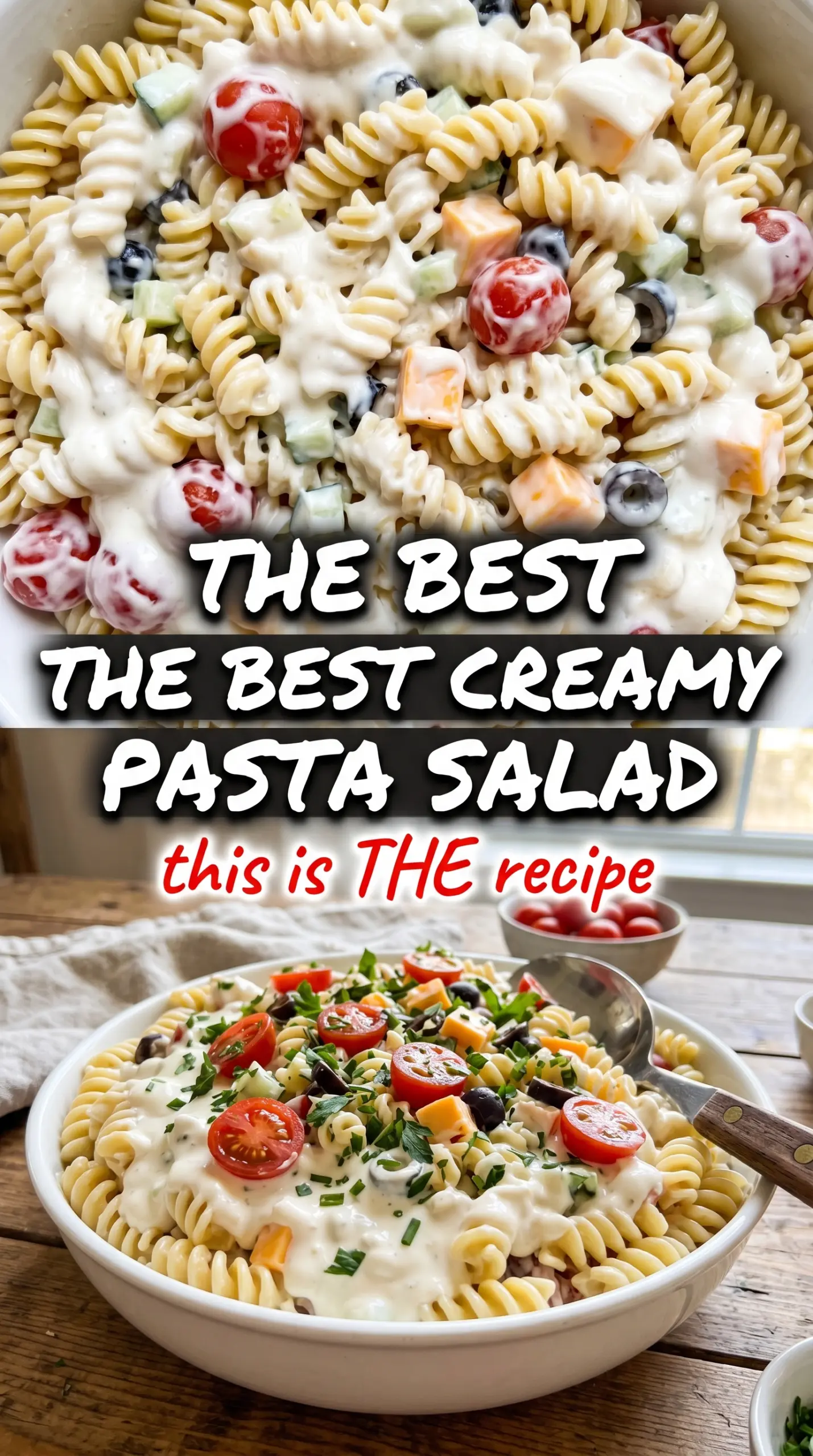
- Tri-color rotini — The spirals catch the dressing in every curve, which is why rotini works better than straight pasta here. If you swap it, choose another short shape with ridges or twists.
- Mayonnaise and sour cream — Mayo gives the dressing its body, and sour cream keeps it from tasting heavy. If you need a lighter version, use plain Greek yogurt for part of the sour cream, but expect a tangier finish and a slightly tighter texture.
- Apple cider vinegar — This is what keeps the salad from tasting flat once it chills. White vinegar works in a pinch, but cider vinegar brings a rounder, fruitier sharpness that fits the creamy base better.
- Sharp cheddar — Mild cheddar gets lost in the dressing. Sharp cheddar stays noticeable and gives the salad those salty, creamy bites that break up the texture.
- Red onion and bell pepper — These add crunch and contrast, but only if they’re diced small enough to spread through the bowl evenly. Large pieces make the salad feel choppy instead of balanced.
- Frozen peas — Thawed peas are sweet, crisp, and easy. Fresh peas are fine when they’re in season, but frozen peas are the dependable choice because they hold their color and pop without extra work.
How to Build the Salad So Nothing Turns Mushy
Cooking the Pasta to the Right Point
Cook the rotini just to al dente, then drain it right away. Pasta salad has no mercy for overcooked noodles; once they sit in dressing, they soften fast. Rinsing with cold water stops the cooking and cools the pasta enough so the dressing doesn’t break or slide off. Let it drain well before you mix anything in, because excess water dilutes the dressing and leaves the bowl loose.
Whisking the Dressing Until It Looks Smooth and Thick
Whisk the mayonnaise, sour cream, vinegar, sugar, and seasonings until the mixture is completely smooth. You want it thick enough to cling but loose enough to coat the pasta without needing to stir aggressively. If the dressing tastes a little too sharp at this stage, that usually settles after chilling, so don’t overcorrect with sugar. The goal is a balanced dressing that tastes a touch bold on its own.
Mixing in the Add-Ins Without Crushing Anything
Add the cooled pasta, vegetables, cheddar, and onions before the dressing goes in. Toss gently so the pasta doesn’t tear and the tomatoes don’t collapse into the bowl. The salad should look generously coated, not soupy. If it seems tight, add a spoonful or two more dressing instead of pouring all the reserved dressing in at once.
Chilling, Then Finishing Before Serving
Cover the bowl and chill the salad for at least two hours. That rest gives the flavors time to settle and lets the pasta absorb just enough dressing to taste seasoned all the way through. Right before serving, toss it again and add the reserved dressing if the pasta has soaked up more than you expected. Finish with paprika and parsley for color and a little fresh lift.
How to Adapt This Pasta Salad for Different Tables
Dairy-Free Version
Use a dairy-free mayonnaise and swap the sour cream for an unsweetened dairy-free yogurt or sour cream alternative. The salad will still be creamy, but the finish may taste a little sharper, so chill it before deciding whether it needs a pinch more sugar.
Gluten-Free Version
Use your favorite gluten-free rotini and cook it just shy of the package time if it tends to soften quickly. Gluten-free pasta can break down more after chilling, so toss it gently and add a little extra dressing right before serving if needed.
Swap in Different Mix-Ins
Crisp celery, diced cucumber, chopped broccoli florets, or cubed ham all work well here. The rule is to keep the pieces small and the textures varied so the bowl still eats like a pasta salad, not a chopped salad with noodles.
Make-Ahead for Potlucks
Mix everything except part of the dressing and the garnish up to a day ahead. Hold back a few spoonfuls of dressing, then stir them in right before serving so the salad looks freshly dressed instead of dry from sitting in the fridge.
Storage and Reheating
- Refrigerator: Keeps for 3 to 4 days in a covered container. The pasta will absorb more dressing as it sits, so expect the texture to tighten a little by day two.
- Freezer: This one doesn’t freeze well. The mayonnaise and sour cream base separates after thawing, and the vegetables lose their crisp bite.
- Reheating: No reheating needed. Serve it cold, and stir in a spoonful of reserved dressing if it looks dry after chilling. If it comes straight from the fridge, give it 10 to 15 minutes on the counter so the flavors open up.
Questions I Get Asked About This Recipe
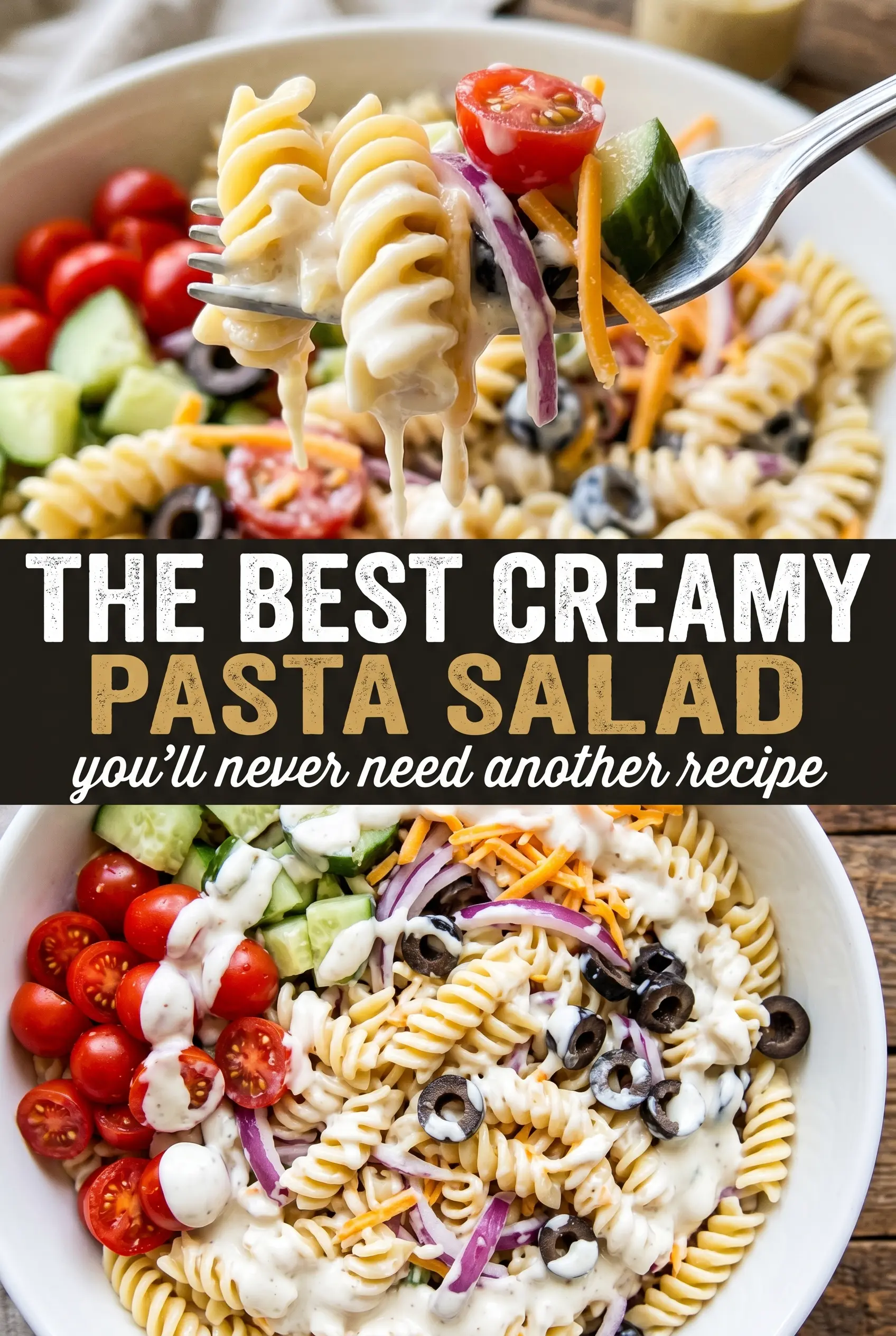
The Best Creamy Pasta Salad
Ingredients
Method
- Cook tri-color rotini to al dente according to package directions, then drain and rinse under cold water to stop the cooking. Cool completely until no steam remains.
- Whisk mayonnaise, sour cream, apple cider vinegar, sugar, garlic powder, onion powder, Italian seasoning, salt, and black pepper until smooth.
- Combine the cooled tri-color rotini with diced red bell pepper, thawed peas, sliced black olives, cubed sharp cheddar, finely diced red onion, and halved cherry tomatoes.
- Pour the dressing over the pasta mixture and toss thoroughly until every piece looks coated.
- Refrigerate for 2 hours to let the flavors meld, then toss again before serving and add any reserved dressing if needed.
- Garnish with paprika and parsley right before serving for a fresh color cue.