Silky, savory, and just a little tangy, this sun-dried tomato vegan pasta turns a short ingredient list into a bowl that tastes like it took much more effort than it did. The sauce clings to every ridge of the rigatoni, the spinach softens into the cream, and the basil at the end lifts the whole thing so it never feels heavy.
What makes this version work is the layering: sun-dried tomato oil builds the base, tomato paste adds depth, and full-fat coconut cream gives the sauce body without needing dairy. Nutritional yeast brings the cheesy, savory note that keeps the sauce from tasting flat. I also lean on pasta water at the end, because it loosens the sauce just enough to coat instead of puddle.
Below, I’m walking through the tiny details that matter most here, including when to add the pasta water, how to keep the sauce smooth, and a few easy swaps if you want to change the shape of the dish without losing the creamy finish.
The sauce got glossy and thick after just a few minutes, and the coconut flavor stayed in the background instead of taking over. I added a splash of pasta water at the end and it coated the rigatoni perfectly.
Save this creamy sun-dried tomato vegan pasta for the nights when you want a fast skillet sauce that still tastes rich and finished.
The Step That Keeps the Coconut Cream from Going Flat
The biggest mistake in a pasta like this is dumping everything into the pan at once and expecting the sauce to taste layered. Sun-dried tomatoes need a minute in hot oil first so their flavor blooms instead of staying buried. Tomato paste also needs that quick cook time; if you add it straight into liquid, it tastes raw and sharp instead of deep and concentrated.
The other thing that matters is heat control once the coconut cream goes in. Coconut cream can handle gentle simmering, but high heat can make the sauce separate or turn greasy around the edges. Keep it at a low bubble, then use the pasta water to help the sauce emulsify and cling to the noodles.
What Each Ingredient Is Actually Doing in This Dish
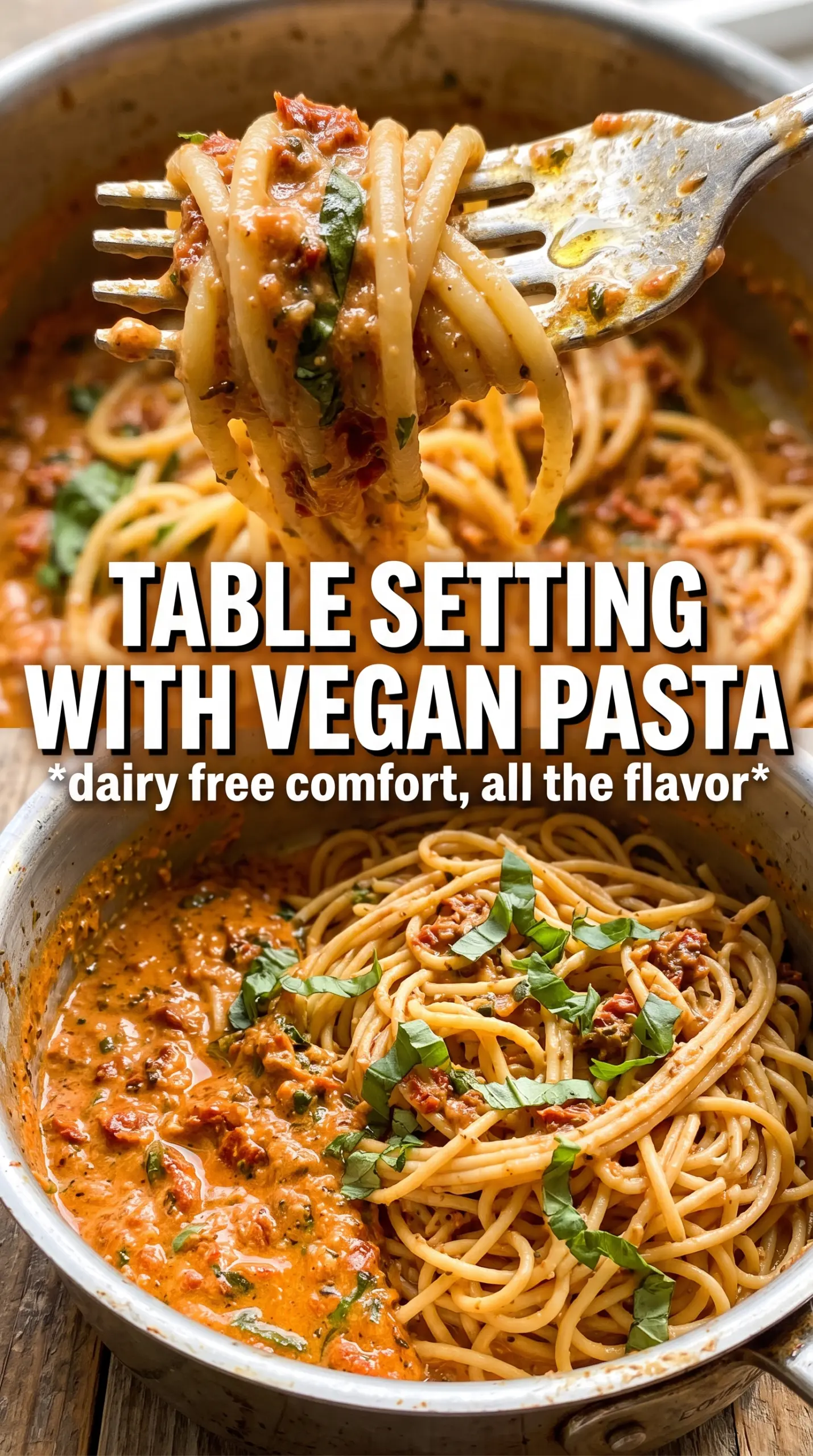
- Sun-dried tomatoes in oil — These do double duty: the tomatoes bring concentrated sweet-tart flavor, and the oil carries that flavor into the sauce. If you use the dry-packed kind, rehydrate them first and expect a less lush result.
- Sun-dried tomato oil — This is worth using if it comes in the jar. It gives the sauce a head start before the garlic goes in and reinforces the tomato flavor from the first minute in the pan.
- Full-fat coconut cream — This is what makes the sauce feel rich and silky without dairy. Light coconut milk won’t give you the same body, and the sauce can end up thin. If you taste coconut strongly, it usually means the sauce didn’t simmer long enough for the other ingredients to take over.
- Nutritional yeast — This is the savory backbone that makes the dish taste finished. It adds a parmesan-like depth, especially once it melts into the warm cream. Don’t skip it unless you’re replacing it with another umami ingredient like vegan parmesan.
- Pasta water — The starch in the water helps the sauce stick to the pasta and keeps it from feeling heavy. Add it a splash at a time until the sauce turns glossy and coats the noodles instead of sitting at the bottom of the bowl.
- Spinach and basil — Spinach softens into the sauce with almost no effort, while basil should go on at the end so it stays bright. If the basil cooks too long, it loses the fresh finish that balances all the creamy tomato richness.
Building the Sauce Before the Pasta Goes In
Bloom the Garlic and Sun-Dried Tomatoes
Warm the sun-dried tomato oil in a large skillet, then add the garlic and chopped sun-dried tomatoes. You’re looking for the garlic to smell fragrant and the tomatoes to soften at the edges, not brown hard. If the garlic starts to color quickly, the pan is too hot and the next ingredients will taste bitter. Two minutes is enough to wake everything up.
Cook Out the Tomato Paste
Add the tomato paste and stir it into the oil and tomato mixture until it darkens slightly and starts to look sticky. That short cook time takes away the raw tomato edge and gives the sauce more depth. If you skip this part, the final sauce can taste one-note, even with coconut cream and herbs in the pan.
Simmer the Cream Until It Thickens
Pour in the coconut cream, then add Italian seasoning, red pepper flakes, and nutritional yeast. Keep the heat at a gentle simmer and stir often so the sauce stays smooth. You want it thick enough to coat a spoon lightly. If it boils hard, the fat can separate and the sauce may look broken instead of glossy.
Finish with Pasta Water and Spinach
Add the cooked pasta and toss it through the sauce, then loosen with reserved pasta water a splash at a time. The sauce should hug the pasta, not flood the pan. Add the spinach last and keep tossing just until it wilts, because overcooked spinach turns muddy and disappears into the sauce. Finish with salt, pepper, and basil after the heat is off.
How to Adapt This for Different Pans, Diets, and Leftovers
Gluten-Free Pasta Swap
Use a sturdy gluten-free rigatoni or penne and cook it just to al dente. GF pasta softens fast once it hits the sauce, so pull it from the water a minute early and finish it in the skillet with enough pasta water to keep it slick.
No Coconut Flavor Version
If you don’t want the faint coconut note, use an unsweetened cashew cream instead. It gives a softer, more neutral sauce, but you’ll need to simmer a little longer because it won’t thicken as quickly as coconut cream.
Add Protein Without Changing the Sauce
Toss in white beans, chickpeas, or browned vegan sausage after the sauce thickens. Add them too early and they’ll get lost; add them at the end and they keep their shape and give the pasta more substance.
Storage and Reheating
- Refrigerator: Store in an airtight container for up to 4 days. The pasta will absorb some of the sauce, so it gets thicker overnight.
- Freezer: It freezes better than many cream sauces, but the pasta texture softens after thawing. Freeze in portions for up to 2 months if you don’t mind a slightly softer noodle.
- Reheating: Warm it gently on the stove or in the microwave with a splash of water or unsweetened plant milk. The common mistake is blasting it on high heat, which can dry out the pasta and make the sauce separate.
Questions I Get Asked About This Recipe
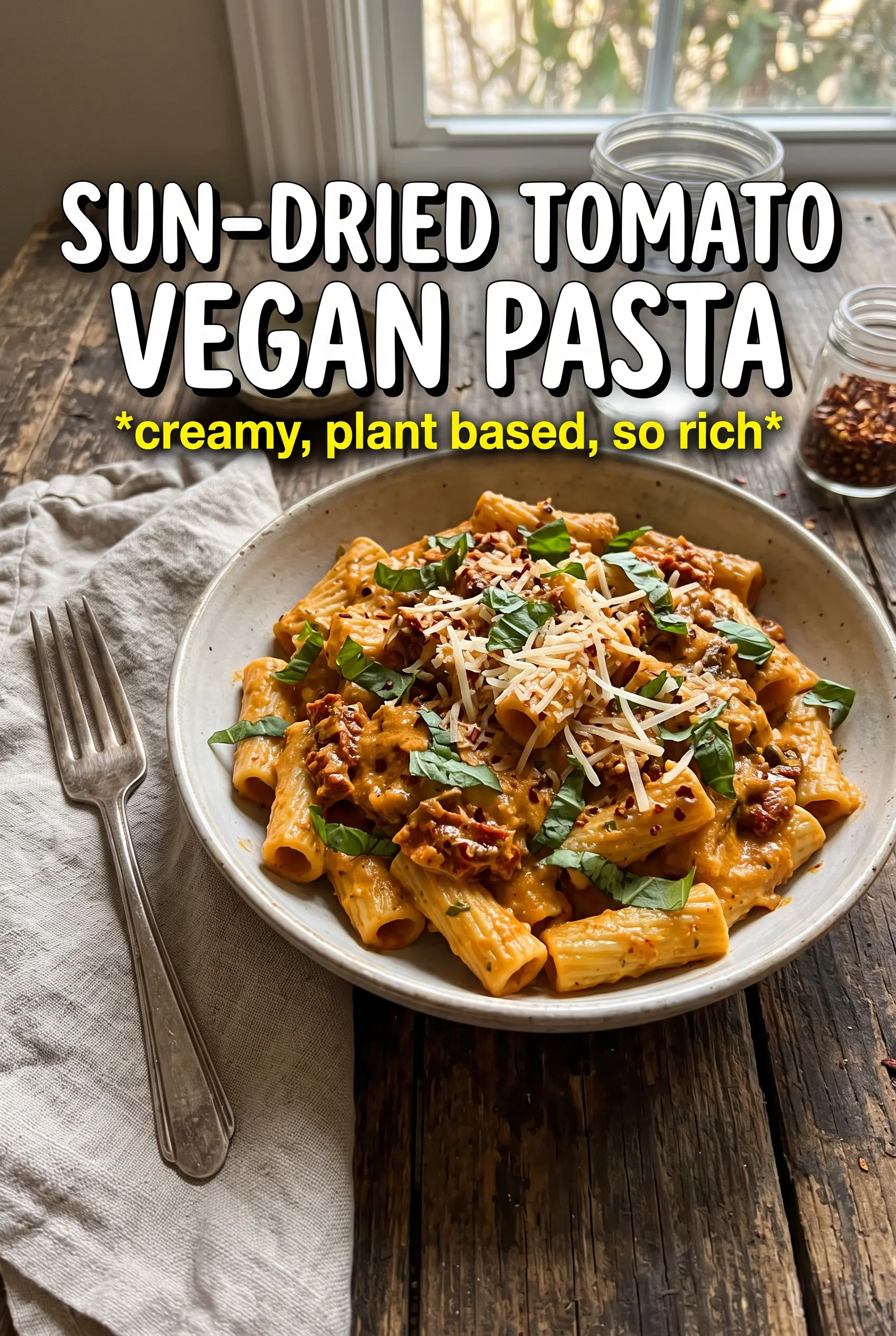
Sun-Dried Tomato Vegan Pasta
Ingredients
Equipment
Method
- Bring a large pot of salted water to a boil and cook rigatoni or penne until al dente, then drain and reserve 1 cup pasta water.
- Set the drained pasta aside while you make the sauce.
- Heat sun-dried tomato oil in a Dutch oven over medium heat, then sauté garlic and chopped sun-dried tomatoes for 2 minutes, stirring until fragrant.
- Stir in tomato paste and cook for 1 minute to deepen the flavor.
- Add coconut cream, Italian seasoning, red pepper flakes, and nutritional yeast, then simmer for 5 minutes until creamy.
- Add the cooked pasta to the sauce and toss, adding reserved pasta water as needed to loosen into a glossy coating.
- Add baby spinach and toss until wilted.
- Season with salt and pepper to taste, then top with fresh basil and extra nutritional yeast for serving.