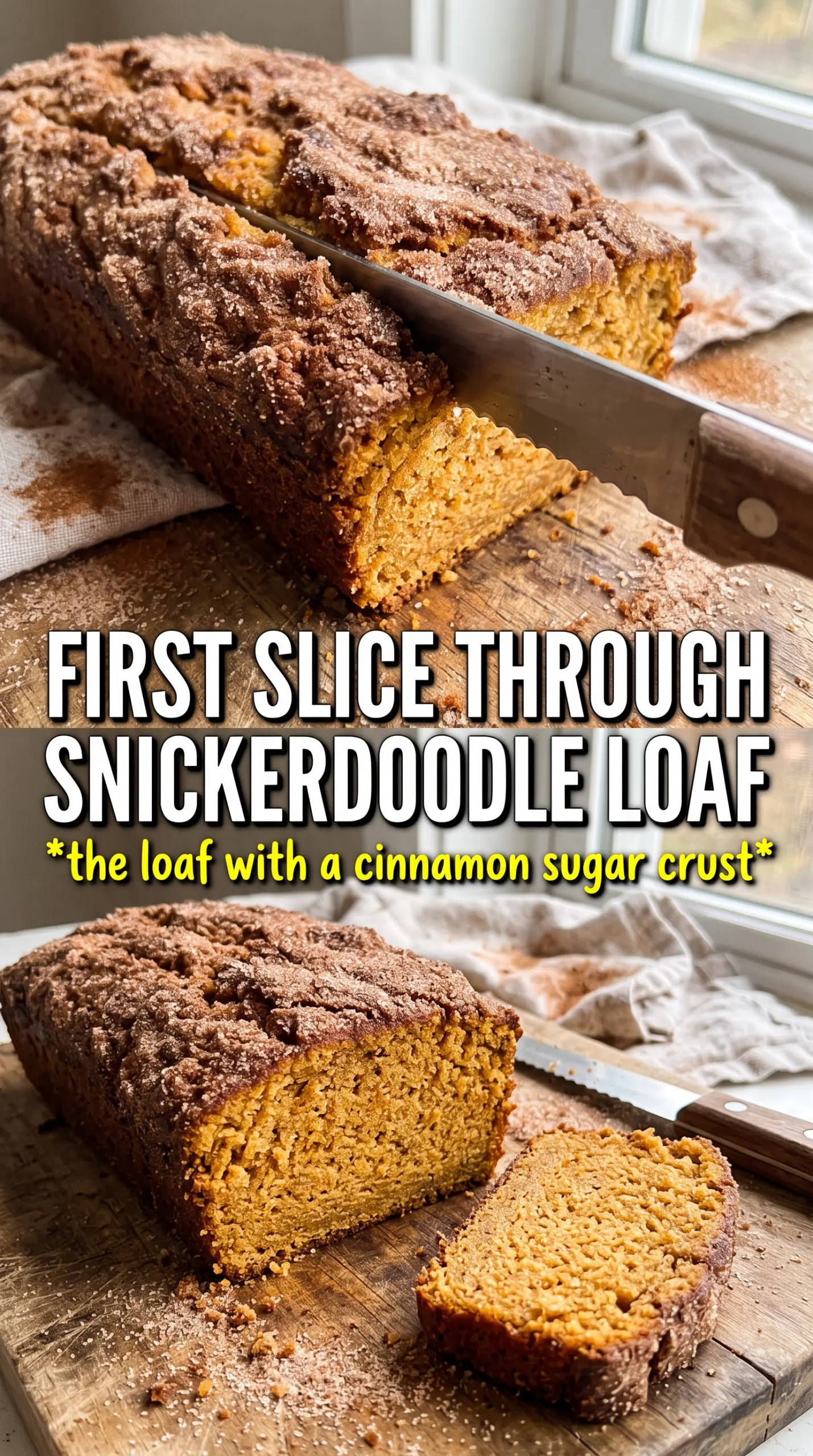
Snickerdoodle pumpkin bread bakes up with a soft, moist crumb and a crackly cinnamon-sugar shell that turns every slice into something between coffee cake and a cookie. The edges caramelize just enough to give you that snickerdoodle snap, while the pumpkin keeps the loaf tender for days. It’s the kind of bread people slice once and then keep drifting back to the kitchen for another piece.
The trick is treating the coating like part of the structure, not just a topping. Brushing the pan with butter and lining it with cinnamon sugar gives the loaf a sweet crust from the very first minute in the oven, and the final butter brush after baking helps the sugar cling to the outside instead of sliding off. The sour cream adds body without making the bread heavy, and the cream of tartar brings that familiar snickerdoodle tang that keeps the loaf from tasting like plain pumpkin bread with cinnamon on top.
Below, you’ll find the small details that matter most: how to keep the center tender without underbaking the loaf, why the coating goes in twice, and a few smart swaps if you need to work around what’s in the pantry.
The cinnamon sugar crust came out beautifully crackly, and the loaf stayed moist for three days without getting gummy. My kids kept asking for the crunchy edges.
Love that crackly cinnamon-sugar crust on this Snickerdoodle Pumpkin Bread? Save it to Pinterest for the next time you want a pumpkin loaf that bakes up like a cookie on the outside and stays tender inside.
The Trick to Keeping the Snickerdoodle Crust from Melting Away
Most pumpkin breads with a sugar topping lose their crunch because the coating only sits on top of the batter. This loaf solves that by baking the cinnamon sugar into the pan and then again over the top, so the crust forms on the loaf itself instead of just settling into the batter. That double coating is what gives you those crisp edges and the cookie-like finish that makes this bread stand out.
The other thing that matters is the batter thickness. Pumpkin brings a lot of moisture, and if you overmix after adding the flour, the loaf can turn tight and gummy. Stir just until the dry streaks disappear, then stop. The oven does the rest.
What Each Ingredient Is Doing in This Loaf
- Pumpkin puree — This is the backbone of the loaf’s moisture and color. Use plain pumpkin puree, not pumpkin pie filling, or you’ll throw off the sugar and spice balance.
- Sour cream — It adds tenderness and a subtle tang that keeps the bread from tasting flat. Plain Greek yogurt works in a pinch, but the texture will be a little less plush.
- Cream of tartar — This is the snickerdoodle signature. It gives the loaf that slight tang and helps the cinnamon sugar taste more like the cookie everyone expects.
- Brown sugar — It deepens the flavor and helps the crumb stay soft. If you only have white sugar, the bread will still work, but the flavor will be less warm and rounded.
- Cinnamon sugar coating — Don’t skip the butter before adding the first layer. The butter helps the sugar stick to the pan, which is what creates that crackly edge when the loaf releases.
How to Build the Loaf So It Bakes Up Tender, Not Heavy
Coat the Pan First
Start with a greased 9×5-inch loaf pan, then brush the inside with melted butter and add half the cinnamon sugar mixture. That first layer should cling to the sides and bottom in a thin, even coat. If you pile it on, it can burn before the loaf finishes baking. Keep the rest for the top so you get that same sweet crust after the batter goes in.
Mix the Batter Gently
Whisk the dry ingredients in one bowl and the wet ingredients in another until the wet mixture looks smooth and the pumpkin is fully broken down. When you combine them, fold just until the flour disappears. If you keep stirring, the loaf will bake up dense instead of soft and sliceable. A few streaks are better than an overworked batter.
Bake Until the Center Springs Back
Pour the batter into the coated pan, top it with the remaining cinnamon sugar, and bake at 350°F until the top is set and a tester comes out with only a few moist crumbs, usually 60 to 65 minutes. The center should feel firm when pressed lightly, not wet or jiggly. If the top is browning too fast, tent it loosely with foil for the last 15 minutes. That keeps the crust from over-darkening before the middle is done.
Finish While It’s Still Warm
Let the loaf cool for about 15 minutes, then lift it from the pan while it’s still slightly warm. Brush the outside with melted butter and roll or sprinkle on extra cinnamon sugar. That final coat is what gives you the snickerdoodle look and that unmistakable crunchy finish. If you wait until the bread is fully cool, the sugar won’t cling nearly as well.
How to Adapt This for Different Kitchens and Diets
Dairy-Free Version
Swap the sour cream for plain dairy-free yogurt and use plant-based butter for the coating. You’ll keep the soft crumb and the crunchy finish, though the loaf will lose a little of the tang that sour cream brings.
Gluten-Free Loaf
Use a 1:1 gluten-free baking flour with xanthan gum already included. The texture will be a little more delicate, so let the loaf cool fully before slicing or it can crumble at the center.
Extra-Spiced Top
If you want a bolder snickerdoodle crust, add another 1/2 teaspoon cinnamon to the topping. That pushes the spice forward without changing the structure of the loaf.
Storage and Reheating
- Refrigerator: Store tightly wrapped for up to 5 days. The sugar crust softens a bit, but the loaf stays moist.
- Freezer: Freeze slices or the whole loaf wrapped well in plastic and foil for up to 2 months. Thaw at room temperature before reheating so the crust doesn’t turn sticky.
- Reheating: Warm slices in a 300°F oven for 8 to 10 minutes or toast lightly. Microwaving makes the sugar topping slack and the crumb feel dense.
Answers to the Questions Worth Asking
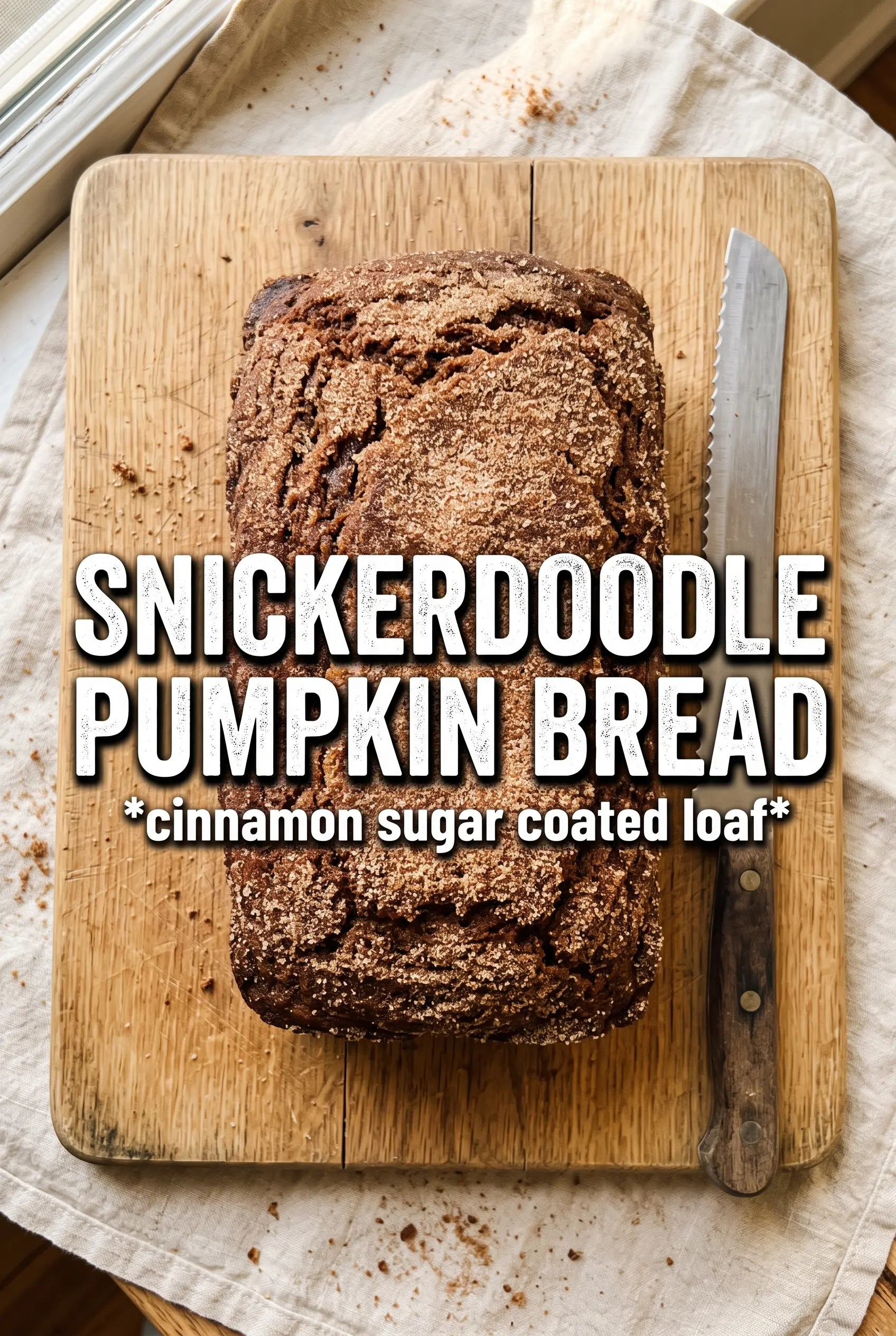
Snickerdoodle Pumpkin Bread
Ingredients
Equipment
Method
- Preheat oven to 350F and grease a 9x5 loaf pan. This sets up the oven temperature before the batter is mixed.
- Brush the inside of the greased pan with melted butter and coat with half the cinnamon sugar mixture. Make sure the butter and sugar cover the bottom and sides for a crusty pull-away edge.
- Set the remaining cinnamon sugar mixture aside for the top. Keep it ready so the loaf can be sprinkled right before baking.
- Whisk the bread dry ingredients until evenly combined. Break up any spice lumps so the batter bakes uniformly.
- Whisk the wet ingredients until smooth. Stop when there are no streaks of pumpkin or sour cream.
- Fold wet into dry until just combined. Mix only until you no longer see dry flour to keep the crumb tender.
- Pour the batter into the cinnamon sugar coated pan. Spread gently so the top bakes evenly.
- Sprinkle the remaining cinnamon sugar over the top. Aim for an even layer so the crust browns all over.
- Bake at 350F for 60-65 minutes until done. Look for a set center and a golden, caramelized crust.
- Cool for 15 minutes. The loaf should firm up enough to remove without tearing.
- Remove from the pan while still slightly warm and brush the outside with melted butter. This gives the crust its classic snickerdoodle shine.
- Roll the loaf in extra cinnamon sugar. Coat the sides thoroughly for a thicker, cinnamon-forward crust.