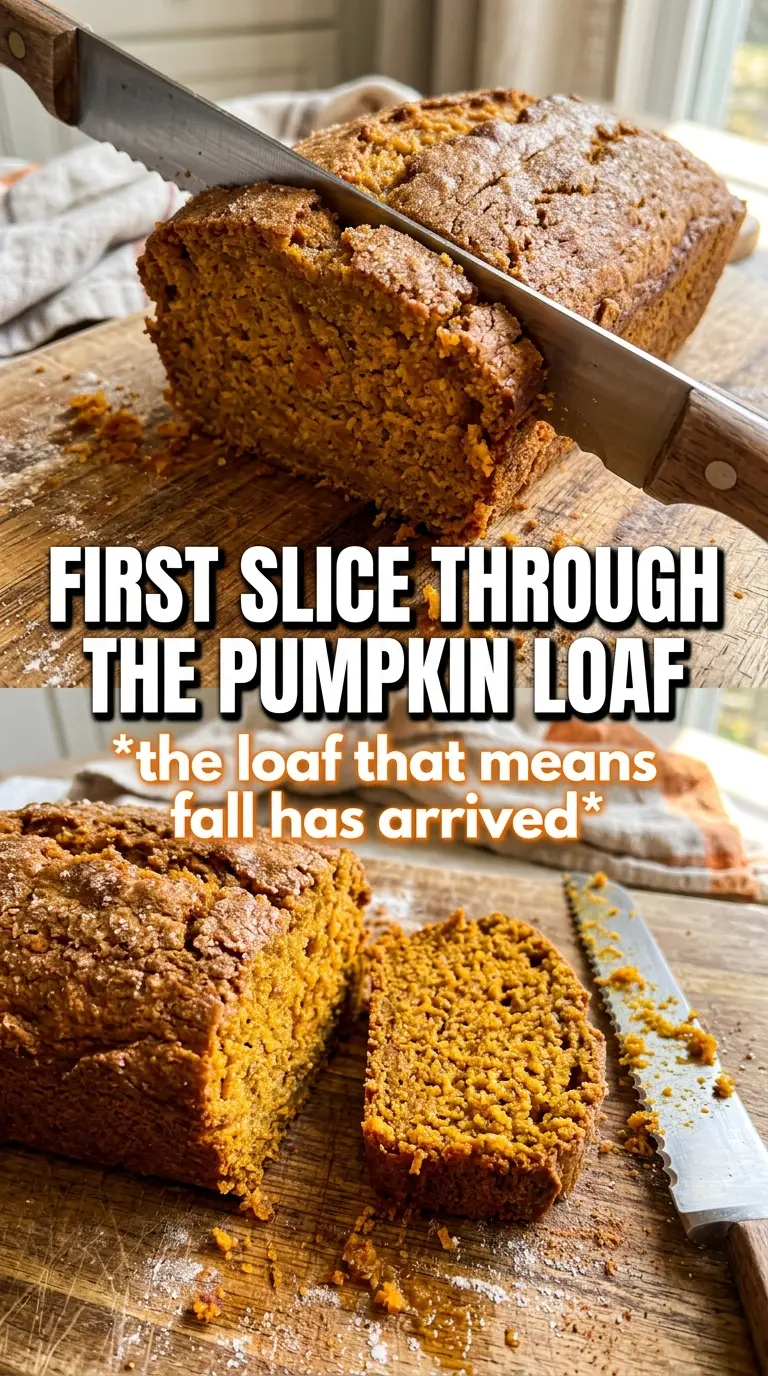
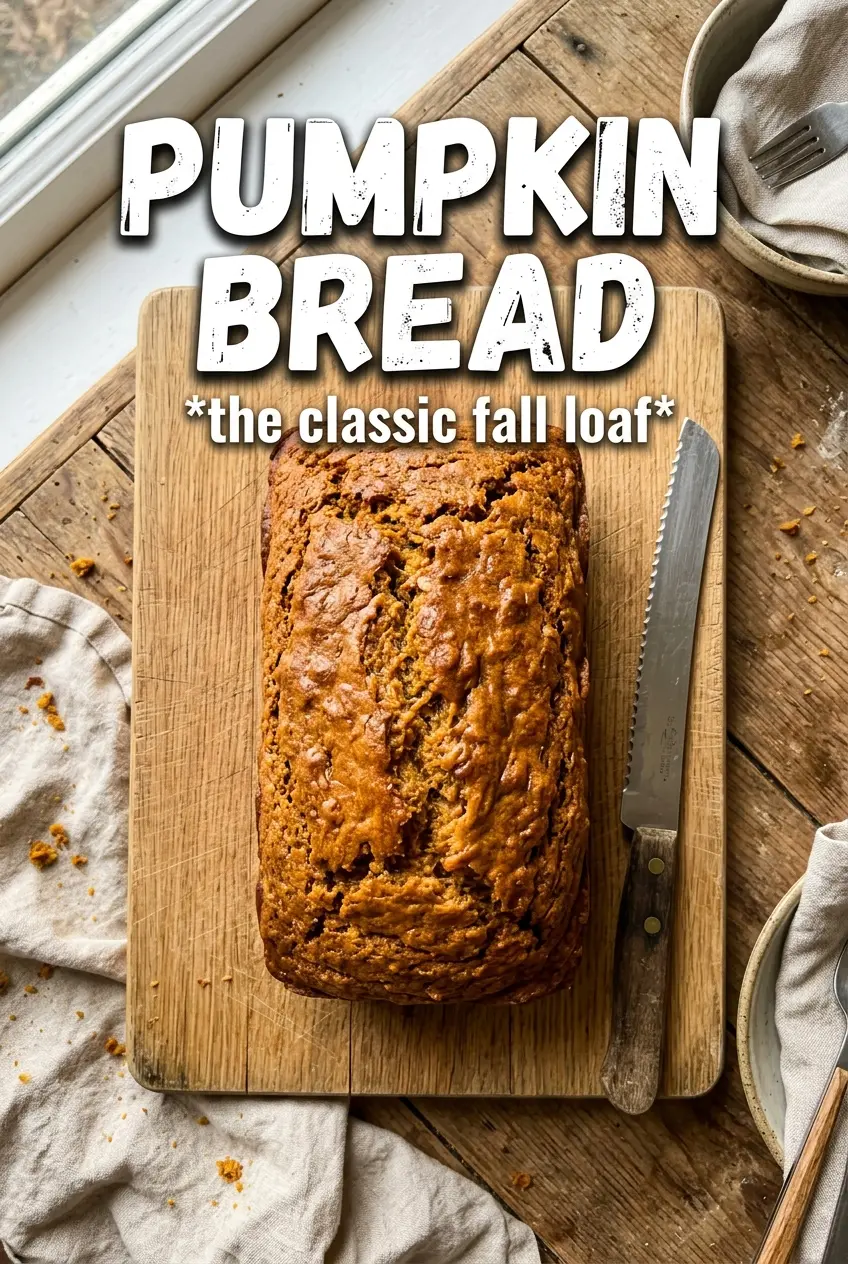
Pumpkin bread should come out tender, deeply spiced, and tall enough to slice cleanly without crumbling. The best loaves have that classic crack down the center, a soft orange crumb, and enough moisture to stay good for days without turning heavy or greasy. This version earns a regular spot because it keeps the pumpkin flavor front and center instead of burying it under too much spice or sugar.
The trick is in the balance. Pumpkin puree brings moisture, but it doesn’t provide lift, so the baking soda has to do real work here. A mix of granulated sugar and brown sugar gives the loaf a clean sweetness plus a little molasses depth, while oil keeps the crumb soft even after it cools. The milk loosens the batter just enough that it bakes up plush instead of dense.
Below you’ll find the small details that matter most, from keeping the batter from getting tough to knowing exactly what that crack on top is telling you.
The loaf rose with that perfect crack on top and stayed moist for three days. I used buttermilk, and the crumb was unbelievably soft without tasting heavy.
Like this pumpkin bread? Save it to Pinterest for the days when you want a moist loaf with a crackly top and warm spice.
The Reason Pumpkin Bread Stays Dense When the Batter Gets Overworked
Pumpkin bread only looks forgiving. Once the flour goes in, overmixing turns a soft loaf into something tight and bready instead of tender. The batter should look a little rough when it hits the pan; those last streaks of flour finish disappearing in the oven, not in the bowl.
The other place people lose the texture is in the pumpkin-to-flour ratio. Pumpkin puree adds a lot of moisture, but it doesn’t behave like fat, so you still need enough structure from the flour and eggs to keep the loaf from sinking in the middle. If your loaf comes out gummy, it’s usually because the batter was stirred too long or the center needed a few more minutes in the oven.
What Each Ingredient Is Actually Doing in This Loaf
- Pumpkin puree — Use plain pumpkin puree, not pumpkin pie filling. Puree gives the loaf moisture, body, and the right earthy pumpkin flavor without extra sugar or spices getting in the way.
- Brown sugar and granulated sugar — The white sugar sweetens cleanly, while the brown sugar brings a little depth and helps the crumb stay soft. If you swap in all white sugar, the loaf bakes up a touch drier and flatter tasting.
- Vegetable oil — Oil is what keeps this bread tender after it cools. Melted butter can work, but it sets firmer and gives a slightly richer, less plush texture.
- Milk or buttermilk — Milk keeps the batter loose enough to bake evenly. Buttermilk adds a subtle tang and gives the bread a slightly softer crumb, so it’s the swap I use when I have it on hand.
- Pumpkin pie spice, cinnamon, and nutmeg — This combination gives the loaf a warm spice base without making it taste like dessert filling. Fresh spice matters more here than in a heavily frosted cake because the bread is so simple.
Building the Batter So the Center Bakes Through
Mix the Dry Ingredients First
Whisk the flour, baking soda, spices, and salt until the color looks even and there are no clumps of cinnamon or nutmeg hiding in the bowl. That small step matters more than it sounds because uneven spices leave bitter pockets and uneven flavor. If the baking soda isn’t distributed well, the loaf can rise lopsided or leave a faint soapy taste in one bite.
Whisk the Wet Ingredients Until Smooth
The pumpkin, sugars, oil, eggs, vanilla, and milk should look glossy and completely blended before they meet the flour. A smooth wet mixture helps the batter come together quickly, which means less stirring later. If the eggs are still streaky, keep whisking until the sugar starts to dissolve and the mixture looks thick and satiny.
Fold, Then Stop
Pour the wet ingredients into the dry ingredients and fold just until the flour disappears. A few streaks are fine; they finish hydrating as the batter rests in the pan and as the loaf heats in the oven. Overmixing is the fastest way to get a tough crumb, so put the spoon down as soon as the batter looks mostly uniform.
Bake Until the Center Springs Back
Scrape the batter into the prepared loaf pan, smooth the top, and bake until a toothpick in the center comes out clean. The top should be deeply golden with a crack down the middle, and the loaf should pull slightly from the sides of the pan. If the top browns too quickly before the center is done, tent it loosely with foil for the last 10 to 15 minutes.
Make It Dairy-Free
Use the milk version and swap in an unsweetened non-dairy milk with some body, like oat milk or soy milk. The loaf still bakes up moist because the oil carries most of the tenderness, and you won’t lose much except the slight tang that buttermilk brings.
Use Buttermilk for a Softer Crumb
Swap the milk for buttermilk if you want a finer, softer slice with a little more tang. It won’t make the loaf taste sour; it just gives the bread a cleaner, more balanced finish and helps the crumb stay tender for an extra day or two.
Make Mini Loaves or Muffins
This batter works well in smaller pans, but the bake time drops fast. Mini loaves and muffins finish much sooner, and the tops will spring back before the centers look fully set. Start checking early so the edges don’t dry out while the middle catches up.
Storage and Reheating
- Refrigerator: Store wrapped or sealed for up to 5 days. The crumb gets a little firmer in the fridge, but the flavor stays good.
- Freezer: Pumpkin bread freezes well. Wrap the cooled loaf or individual slices tightly in plastic, then foil, and freeze for up to 3 months.
- Reheating: Thaw at room temperature, then warm slices briefly in the toaster oven or microwave. Don’t heat it too long or the crumb turns dry at the edges before the center is warm.
Questions I Get Asked About This Recipe
Pumpkin Bread
Ingredients
Equipment
Method
- Preheat the oven to 350F, then grease a 9x5 loaf pan so the loaf releases cleanly after baking.
- Whisk all-purpose flour, baking soda, pumpkin pie spice, cinnamon, nutmeg, and salt together in a large bowl until the spices are evenly distributed.
- Whisk pumpkin puree, granulated sugar, brown sugar (packed), vegetable oil, eggs, vanilla extract, and milk or buttermilk in a separate bowl until completely smooth.
- Pour the wet mixture into the dry ingredients and fold until just combined, keeping a few streaks of flour so the batter doesn’t get overworked.
- Pour the batter into the prepared loaf pan and smooth the top for an even bake.
- Bake at 350F for 60-65 minutes until a toothpick inserted in the center comes out clean.
- Cool the pumpkin bread in the pan for 15 minutes so it sets and the crumb firms up.
- Remove from the pan and cool completely before slicing to keep the loaf from crumbling and to highlight the moist orange crumb.