A patty melt is what happens when a burger and grilled cheese get together and stop pretending they’re separate things. You get crisp rye bread, a thin beef patty with a dark crust, onions that turn sweet and jammy, and cheese that melts into every gap so each bite tastes layered instead of heavy. The best ones aren’t thick or fussy. They’re pressed just enough to glue everything together and let the bread toast deeply without burning.
This version works because the onions get cooked all the way down before anything is assembled, which keeps the sandwich from tasting sharp or raw. The beef is seasoned before it hits the pan, then smashed thin so it cooks fast and stays juicy. Using both Swiss and cheddar gives you the nutty melt from the Swiss and the stronger, saltier pull from the cheddar, which matters more than people think once the bread starts toasting.
Below, I’ll walk you through the trick that keeps the cheese from slipping out when the sandwich gets pressed, plus a few swaps if you want to change the cheese or make the filling ahead.
The onions turned deeply sweet and the bread stayed crisp even after pressing. I used a heavy skillet like you suggested, and the cheese melted through without the whole sandwich sliding apart.
Love a patty melt with crisp rye and buttery onions? Save this one for the night you want a diner-style sandwich with a proper crust and melty cheese.
The Real Difference Between a Good Patty Melt and a Soggy One
The mistake most people make is treating the sandwich like a burger first and a grilled cheese second. That’s how you end up with bread that burns before the center heats through, or cheese that never fully melts because the filling is too thick. A patty melt works when every part is built for the skillet: thin beef, fully cooked onions, and cheese placed where the heat can reach it quickly.
The other thing that matters is pressure. Pressing the sandwich in the pan isn’t about flattening it into oblivion. It helps the bread make contact with the skillet, which gives you that even, deep toast across the surface. If the heat is too low, the bread goes limp before it colors. If it’s too high, the outside scorches before the cheese has a chance to melt. Medium to medium-high on the final press is the sweet spot.
What the Cheese, Rye, and Onions Are Actually Doing Here
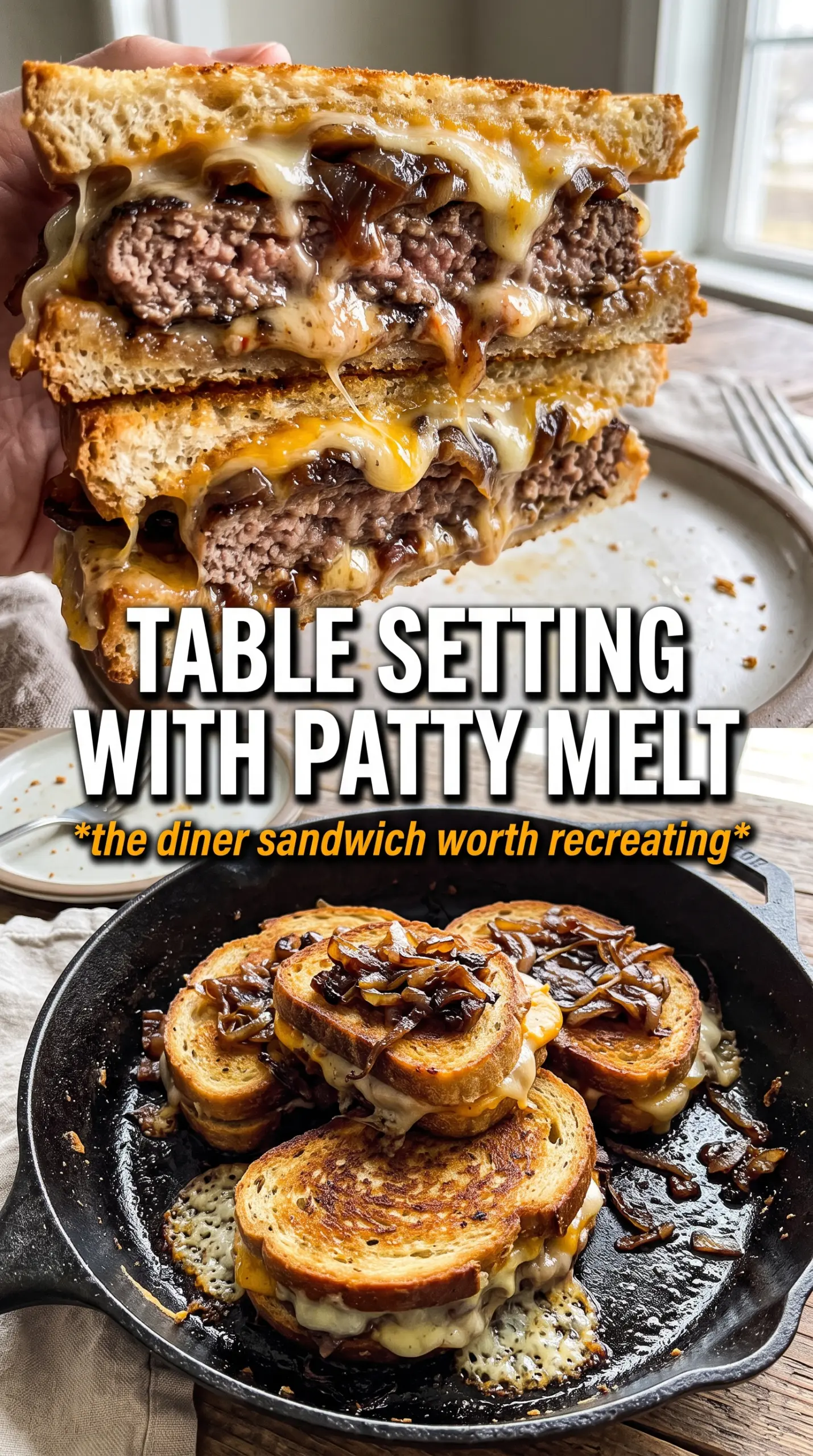
- Rye bread — Rye has enough structure and flavor to stand up to the beef and onions. Soft sandwich bread turns mushy here. Look for a loaf that’s sturdy but not dense like brick; the edges should crisp without fighting you.
- 80/20 ground beef — The fat keeps the patty juicy and helps the crust brown fast in a hot skillet. Leaner beef can work, but it cooks drier and tastes flatter. If you use a leaner blend, shorten the cook slightly and don’t press so hard that the juices escape.
- Swiss and cheddar or American — Swiss brings nuttiness, while cheddar or American melts into that creamy stretch that makes the sandwich feel complete. If you only use Swiss, the melt is less plush. If you only use cheddar, the flavor gets a little sharper and more one-note.
- Onions — These need the full 25 to 30 minutes. Under-cooked onions stay sharp and watery, and that water is what turns a patty melt sloppy. Slow cooking gives you sweetness and a concentrated texture that sits neatly inside the sandwich.
- Special sauce — The mayo, ketchup, Dijon, and Worcestershire add a little tang and richness without overpowering the beef. It’s not there to make the sandwich saucy; it’s there to keep the filling from tasting dry between the toasted bread and melted cheese.
Building the Sandwich So the Cheese Melts Before the Bread Burns
Caramelize the onions first
Start the onions in butter over medium-low heat and give them time. They should soften, then turn translucent, then slowly deepen to a rich golden brown. If the pan is too hot, they’ll scorch before they sweeten, and scorched onions taste bitter instead of deep and savory. A little patience here pays off in every bite.
Form thin patties and season early
Divide the beef into four loose balls, then season them with Worcestershire, garlic powder, salt, and pepper before they hit the pan. Smash them thin in a very hot skillet so they brown fast and cook through without getting thick like a burger patty. If the skillet isn’t hot enough, the meat steams and loses that crust that makes the sandwich taste like a diner classic.
Toast the bread in the rendered fat and butter
Butter the rye, then toast it in the skillet until the surface turns deeply golden. You want a dry, crisp exterior that can hold up once the fillings go in. If the bread is only lightly warmed, it’ll go soft as soon as the sauce and onions hit it. Pull it once it has enough color; it will keep toasting a bit from residual heat.
Assemble, press, and finish
Build each sandwich with sauce, onions, patty, both cheeses, more onions, and the second slice of bread. Put it back in the skillet and press gently for 1 to 2 minutes per side. The goal is melted cheese and a clean, crisp crust, not a smashed mess. If cheese is leaking before the bread is browned, the heat is too high; lower it and give the center another minute to catch up.
Ways to Adjust This Patty Melt Without Losing What Makes It Work
Make it dairy-free
Use a dairy-free butter and a good melting vegan cheese if you need to avoid dairy. The sandwich still works, but you’ll want to keep the heat a little lower because some vegan cheeses tighten up fast and can go oily if they’re blasted in a screaming-hot skillet. The onions and beef still do most of the heavy lifting.
Use all Swiss or all cheddar
You can use one cheese if that’s what you have, but the sandwich changes. All Swiss is milder and a little nuttier; all cheddar gives you a sharper, more direct bite. If you use cheddar alone, choose a good melter, not a very aged block that wants to stay firm.
Swap the bread carefully
Sourdough or Texas toast can work, but you lose the signature rye flavor that gives a patty melt its old-school diner feel. If you swap the bread, choose something sturdy enough to handle pressing and the moisture from the onions. Thin, airy bread will collapse before the cheese finishes melting.
Storage and Reheating
- Refrigerator: Store the cooked components for up to 3 days. The bread softens a little in the fridge, but the filling keeps well.
- Freezer: The cooked patties and onions freeze well, but I don’t freeze the assembled sandwich. The bread goes stale and the cheese texture changes too much.
- Reheating: Reheat in a skillet over medium-low heat so the bread re-crisps and the cheese remelts. The biggest mistake is using the microwave, which makes the rye limp and the onions watery.
Questions I Get Asked About This Recipe
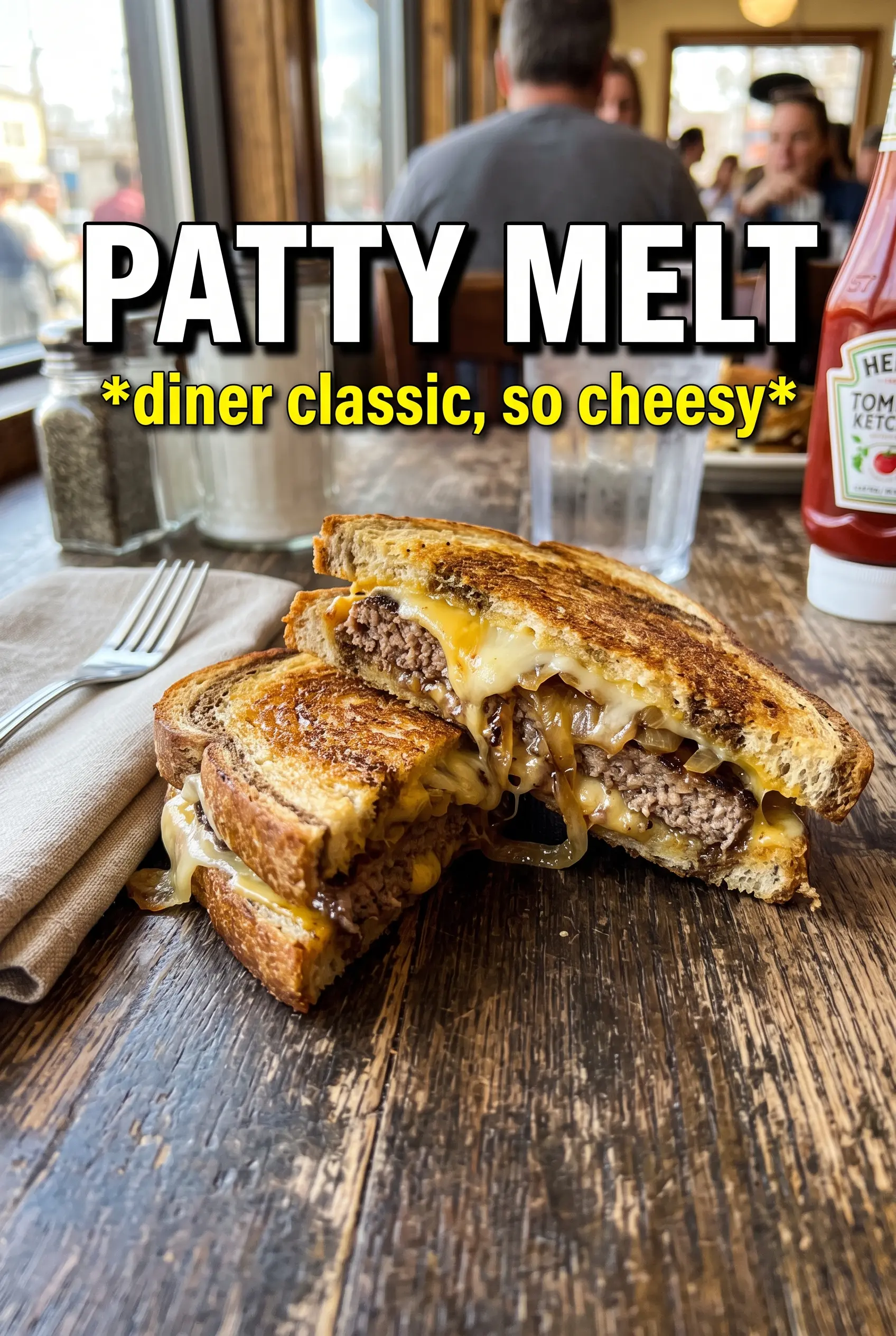
Patty Melt
Ingredients
Equipment
Method
- Melt 2 tablespoons of the unsalted butter in a cast iron skillet over medium-low heat. Cook the thinly sliced onions for 25-30 minutes, stirring occasionally, until deeply golden and caramelized with jammy edges.
- Divide the 80/20 ground beef into 4 balls, then mix in Worcestershire sauce, garlic powder, salt, and pepper. Press each ball into a thin patty so it covers the skillet area.
- Heat the cast iron skillet over high heat until very hot. Smash and cook each patty for 2-3 minutes per side until browned and crisp at the edges.
- Reduce heat slightly and add the remaining 2 tablespoons unsalted butter to the skillet. Toast the rye bread slices until golden on the outside.
- Stir together the special sauce: mayo, ketchup, Dijon, and 1 teaspoon Worcestershire sauce. Spread it on the toasted rye slices.
- Build each melt by layering onions, a smash patty, Swiss cheese, sharp American or cheddar cheese, more onions, and the top toasted rye slice. Keep the layers compact so the edges meet for maximum melting.
- Return the assembled melts to the cast iron skillet. Press down and cook for 1-2 minutes per side until both cheeses are fully melted and the bread is crisp.