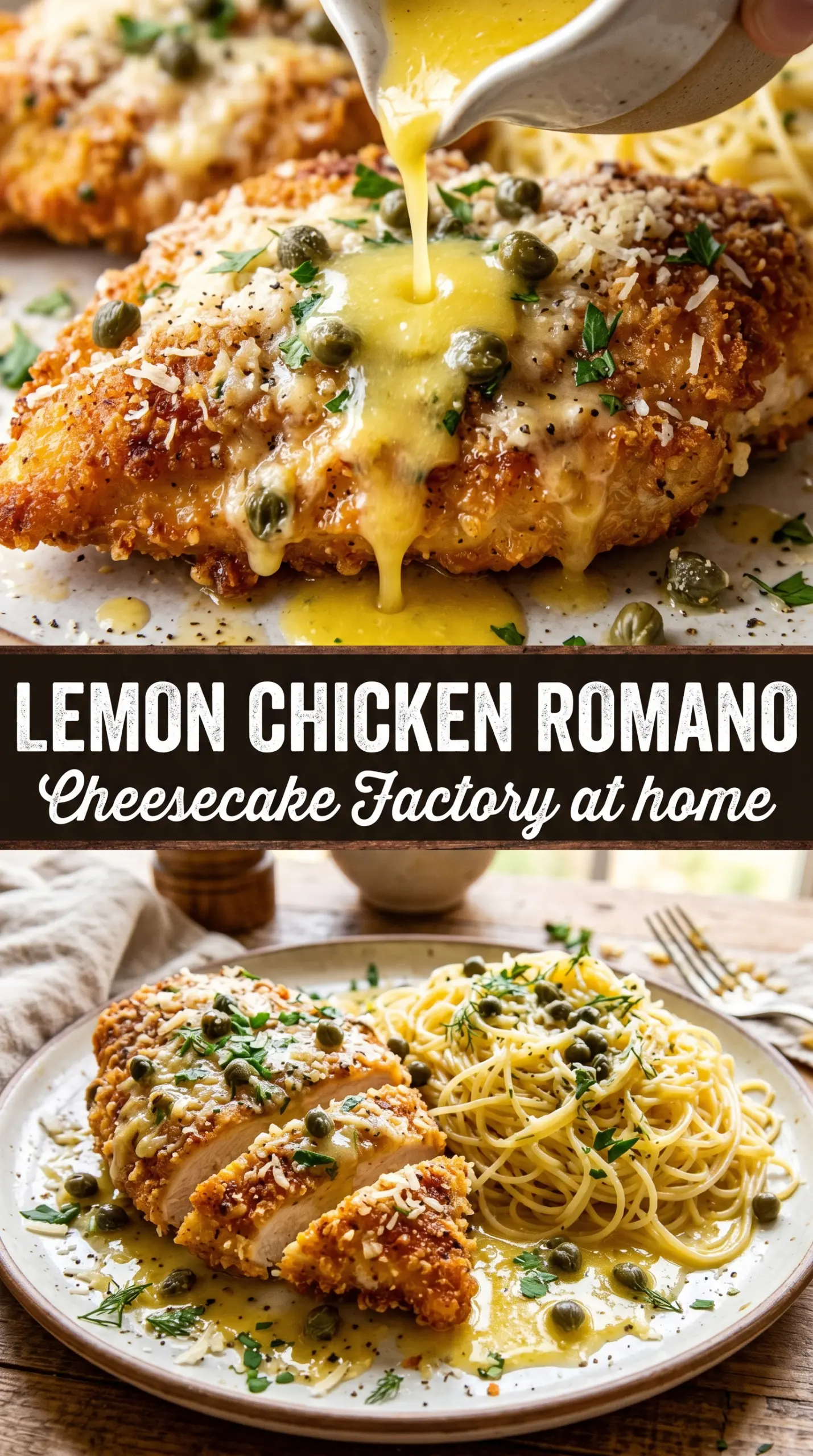
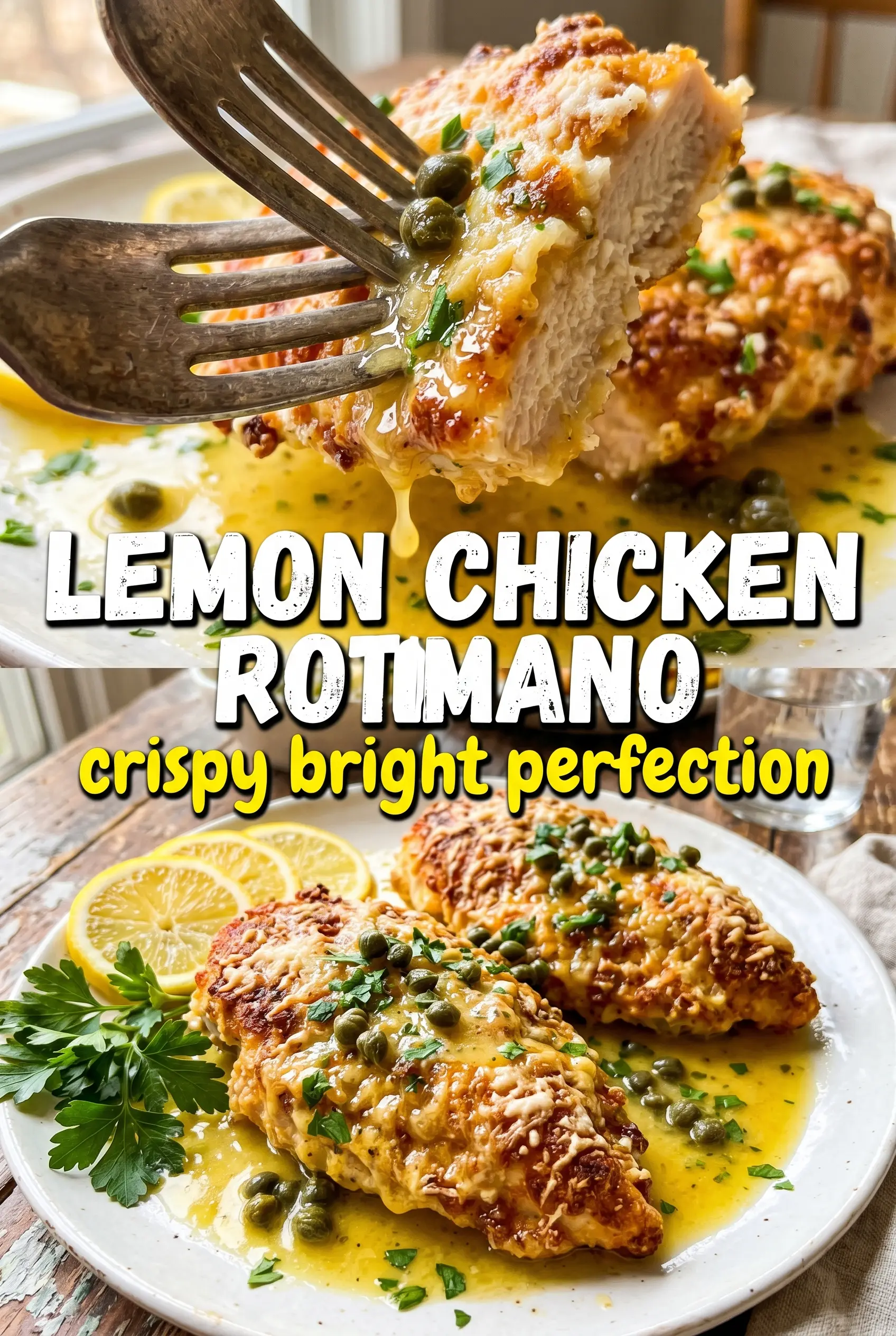
Thin chicken cutlets with a crisp Romano crust and a bright lemon butter sauce hit that sweet spot between weeknight practical and restaurant-level satisfying. The breading turns deeply golden and shatters when you cut into it, while the sauce stays sharp, glossy, and just salty enough from the capers and cheese. It’s the kind of dinner that looks polished on the plate but doesn’t ask for much more than a skillet and a little attention.
The trick here is in the balance. Pecorino Romano brings a sharper, saltier bite than Parmesan, and the panko keeps the crust from turning dense or greasy. Browning the cutlets first builds flavor in the pan, then the lemon butter sauce picks up those browned bits instead of starting from scratch. That’s what gives the dish its depth without making it heavy.
Below, I’ve included the part that matters most: how to keep the crust crisp under the sauce, which shortcut works when you’re in a hurry, and how to keep the chicken juicy even when the cutlets are thin.
The cutlets stayed crisp even after I spooned the sauce over them, and the lemon caper butter was bright without overpowering the cheese. I used the full 3 minutes on the sauce and it tightened up beautifully.
Save these crispy Lemon Chicken Romano cutlets for the night you want a shattering Romano crust and a bright lemon-caper butter sauce.
The Crispy Crust Stays Put Because the Chicken Is Thin
Most breaded chicken recipes fail in one of two places: the coating falls off, or the crust turns soft as soon as sauce gets near it. This version avoids both problems by using thin cutlets and a dry-wet-dry-style breading structure that bonds well without piling on a heavy layer. The cutlets cook fast enough that the coating has time to brown before the cheese in the crust can burn.
It also helps that the sauce is finished separately and spooned on at the end. If you pour it straight into the pan with the chicken, the crust loses its crunch before you even get to the table. Keep the chicken out of the sauce until serving, and you get both textures in the same bite.
What Each Ingredient Is Actually Doing in This Dish
- Chicken breasts, halved into thin cutlets — Thin cutlets cook evenly and quickly, which is what keeps the crust golden instead of overcooked before the center is done. If your cutlets are uneven, pound the thicker spots gently so the whole batch finishes at the same time.
- Pecorino Romano — This is the backbone of the crust. It’s sharper and saltier than Parmesan, so you get a bigger savory hit in every bite. Finely grating it matters; coarse shreds won’t cling as well and can leave bare spots.
- Panko breadcrumbs — Panko keeps the coating lighter and crisper than plain breadcrumbs. It gives the cheese something to hold onto without turning the crust heavy or pasty.
- Dry white wine — The wine deglazes the pan and pulls up all the browned bits left from frying. If you need a substitute, use chicken broth with a small splash of extra lemon juice, but the sauce will be a little softer and less sharp.
- Capers and lemon juice — These are what keep the sauce from tasting flat. The capers add salt and briny punch, while the lemon gives the sauce its bright finish. Drain the capers well so the sauce doesn’t get watery.
The 20 Minutes That Matter Most
Set Up the Breading So Nothing Gets Clumpy
Line up the flour, beaten eggs, and Romano-panko mixture before you touch the chicken. The flour gives the egg something to grab, and the egg gives the crust something to cling to, so skipping either one leaves you with patchy breading that flakes off in the pan. Press the cheese mixture onto the chicken firmly with your fingers so it actually sticks instead of just dusting the surface.
Fry Until the Crust Is Deep Gold
Heat the olive oil and butter over medium-high until the butter foams and settles. Lay the cutlets in without crowding the pan, then leave them alone long enough for the bottom to brown. If you keep moving them, the crust won’t set. After 3 to 4 minutes per side, the coating should be a deep golden color and sound crisp when tapped with tongs.
Build the Lemon Butter Sauce in the Same Pan
Pull the chicken out first, then cook the garlic for just 30 seconds until fragrant. Add the wine and scrape up the browned bits; that’s where the flavor lives. Let the lemon juice and capers simmer for a few minutes so the sharpness settles and the sauce reduces slightly. Finish with cold butter off the heat or over very low heat so it turns glossy instead of greasy or broken.
Serve Before the Crust Has Time to Fade
Plate the chicken first, then spoon the sauce over each cutlet instead of drowning the whole pan. That keeps the edges crisp while still giving you enough sauce in every bite. A scatter of fresh parsley adds color and a clean finish that keeps the dish from feeling too rich.
How to Adjust Lemon Chicken Romano Without Losing the Point
Gluten-Free Version
Swap the all-purpose flour for a gluten-free flour blend and use gluten-free panko. The crust still gets crisp, but gluten-free breadcrumbs can brown a little faster, so watch the pan closely near the end of the fry.
Dairy-Free Version
Use a dairy-free Parmesan-style shred in the breading and swap the butter for olive oil or a good dairy-free butter. You’ll lose some of the sharp, salty bite from the Romano, so add a little extra salt to the coating and sauce.
No Wine in the Sauce
Replace the wine with chicken broth and a teaspoon of extra lemon juice. The sauce will be a little less sharp and a little less complex, but it still picks up the pan drippings and finishes bright.
Make It for Four Without a Second Fry Batch
If your skillet is small, fry the chicken in two rounds and keep the first batch on a wire rack in a low oven. Don’t stack the cutlets on a plate; trapped steam softens the crust fast.
Storage and Reheating
- Refrigerator: Store leftovers for up to 3 days. The crust softens in the fridge, but the flavor holds up well.
- Freezer: The cooked chicken freezes best before sauce is added. Wrap the cutlets tightly and freeze for up to 2 months, then make the sauce fresh.
- Reheating: Warm the chicken on a wire rack in a 375°F oven until hot and crisp again. Microwaving makes the coating soggy, so keep the sauce separate and reheat it gently on the stove.
Answers to the Questions Worth Asking
Lemon Chicken Romano
Ingredients
Equipment
Method
- Season the thin cutlets with salt and pepper, then set up three stations with flour, beaten egg, and the Romano plus panko mixture.
- Dredge each cutlet in flour, dip in egg, and press firmly into the Romano coating so it adheres well.
- Heat olive oil with 2 tablespoons butter in a cast iron skillet over medium-high heat and pan-fry cutlets for 3-4 minutes per side until deeply golden and crisp; transfer to a plate.
- In the same pan, cook minced garlic for 30 seconds until fragrant, then deglaze with the white wine and scrape up any browned bits.
- Add lemon juice and capers and simmer for 3 minutes, letting the liquid reduce slightly.
- Swirl in the remaining 2 tablespoons cold butter until the sauce turns glossy.
- Plate the cutlets and spoon the lemon-caper butter sauce over each one, then garnish with fresh parsley.