Warm pasta and peppery arugula are a great match when the heat is just enough to soften the greens without turning them limp. That slight wilt gives this salad a better bite than the usual cold pasta salad, and the lemon dressing keeps everything bright instead of heavy. It’s the kind of dish that disappears fast because it tastes fresh even after it sits on the table for a while.
The trick is to toss the arugula with the pasta while the noodles are still warm, not piping hot. That gentle heat takes the edge off the greens and helps the lemon, garlic, and parmesan settle into the pasta instead of sitting on top of it. Toasted pine nuts add the kind of crunch that keeps each bite interesting, and cherry tomatoes bring a little sweetness to balance the peppery arugula.
Below, I’m breaking down the one timing detail that makes the greens behave, plus the small ingredient choices that give this salad its clean, elegant finish. If you’ve ever ended up with oily pasta or sad, soggy arugula, this version fixes both.
I tossed the dressing with the warm pasta first, then added the arugula, and it came out perfect. The greens just wilted enough, the lemon stayed bright, and the pine nuts gave it a nice crunch even after sitting for lunch.
Save this lemon arugula pasta salad for a bright side dish with peppery greens, lemony dressing, and toasted pine nuts.
The Secret to Keeping the Arugula Fresh Instead of Limp
The whole salad rises or falls on temperature. If the pasta is cool, the arugula stays sharp and you lose that soft contrast that makes this dish special. If the pasta is scorching, the greens collapse too far and the salad starts looking tired before it even reaches the table. Warm is the target: enough heat to soften the leaves at the edges, not enough to steam them flat.
That’s also why the dressing goes on while the pasta is still warm. The noodles absorb the lemon and garlic better, and the parmesan has a chance to cling instead of sliding off in shavings on the plate. If your pasta salad usually tastes flat after chilling, this is the fix — season aggressively enough up front, because cold food always tastes a little quieter than warm food.
- Warm pasta — This is what lightly wilts the arugula and helps the dressing coat every strand. Let the pasta drain for a minute, but don’t rinse it.
- Fresh lemon juice and zest — Juice brings the acid, zest brings the aroma. Bottled lemon juice won’t give you the same bright edge, and this salad needs that fresh citrus lift.
- Parmesan — Shaved parmesan melts into the warm pasta better than finely grated cheese, which tends to disappear. If all you have is grated, add it at the end and use a little less so it doesn’t clump.
- Toasted pine nuts — They add a buttery crunch that keeps the salad from feeling soft all the way through. A few minutes in a dry skillet is enough; pull them as soon as they smell nutty.
What Each Ingredient Is Doing in the Bowl
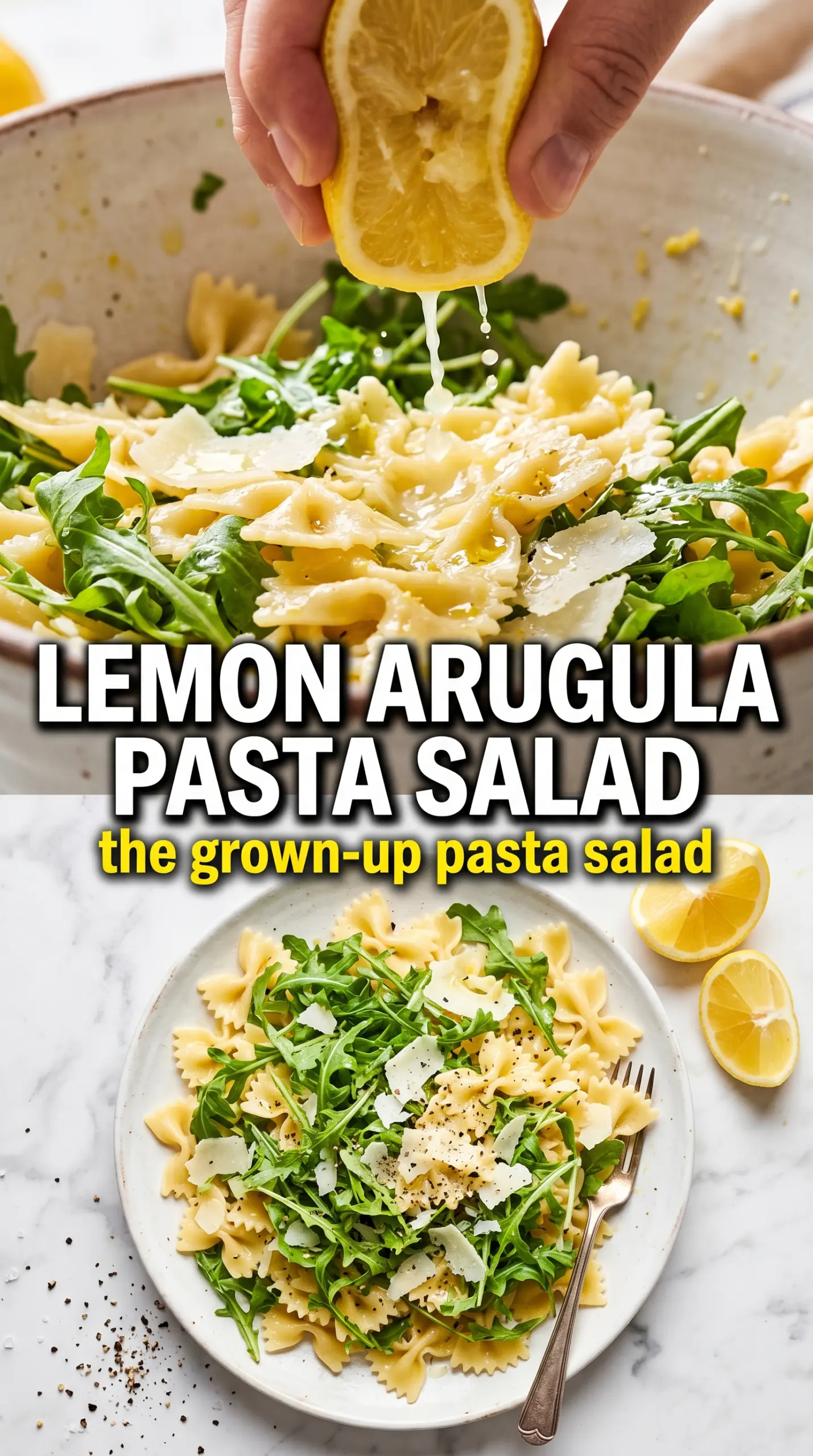
- Linguine or short pasta — Linguine gives you long ribbons that catch the lemon dressing, while short pasta makes the salad easier to scoop for a picnic or potluck. Use whatever shape holds sauce well; delicate angel hair turns gummy here.
- Baby arugula — Baby leaves soften just enough from the warm pasta without becoming bitter or stringy. Mature arugula works too, but it has a sharper bite and needs a little more dressing to balance it.
- Cherry tomatoes — They bring sweetness and juicy pops that keep the salad from feeling one-note. Halve them so they release a little juice into the bowl instead of rolling around untouched.
- Dijon mustard — This is the quiet emulsifier that helps the dressing stay together. If you skip it, the oil and lemon separate faster and the salad tastes less cohesive.
- Olive oil — Use a good one here because there isn’t much else to hide behind. A rough, peppery oil works especially well with the arugula and lemon.
Building the Salad So the Flavors Don’t Get Muddy
Cooking the Pasta to Hold Its Shape
Boil the pasta until it’s al dente with a little bite in the center. That matters because the warm dressing softens it a touch as it sits, and overcooked pasta turns dense fast. Reserve a splash of pasta water before draining; that starchy water helps loosen the dressing without diluting the flavor. If the pasta clumps while you work, give it a quick toss with a tablespoon of the reserved water.
Whisking the Lemon Dressing
Mix the olive oil, lemon juice, zest, Dijon, garlic, salt, pepper, and red pepper flakes until the dressing looks glossy and slightly thickened. The Dijon should disappear into the liquid, not float around in little streaks. If the garlic taste is too sharp for you, let the dressing sit for five minutes before tossing so it mellows a bit. A dressing that tastes a little bold in the bowl usually lands just right once it coats the pasta.
Tossing While the Pasta Is Still Warm
Put the arugula in the bowl with the drained pasta and toss first, before adding the tomatoes or parmesan. That warm toss is what softens the greens at the edges and keeps them from looking like an afterthought. Add the dressing next and toss again until the noodles are glossy. If the bowl looks dry, add a spoonful of reserved pasta water rather than more oil; that keeps the salad light instead of greasy.
Finishing With the Crunch and Salt
Scatter the tomatoes, parmesan, and toasted pine nuts over the top after the main toss. The final additions should still keep their shape and texture, not get beaten into the bowl. Taste once before serving, especially if your parmesan is salty. A small extra squeeze of lemon at the end can wake the whole dish back up if it’s been sitting a few minutes.
How to Adapt It Without Losing the Bright, Peppery Balance
Gluten-Free Version
Use a sturdy gluten-free pasta made from rice or a rice-corn blend, and cook it just shy of the package time so it doesn’t fall apart when tossed. Gluten-free pasta can go from firm to brittle fast, so reserve extra pasta water and loosen the salad gently if it tightens up as it cools.
Dairy-Free Swap
Leave out the parmesan and add a little extra salt plus a few more toasted pine nuts for richness. You’ll lose the salty, savory finish that parmesan gives, but the lemon and arugula stay front and center, which keeps the salad lively instead of flat.
Making It More Filling
Toss in chopped grilled chicken, white beans, or chickpeas if you want this to work as a light main dish. Chicken keeps the Italian-American feel clean and simple, while beans give it more body and soak up the lemon dressing well.
Storage and Reheating
- Refrigerator: Keeps for 3 days. The arugula softens more by day two, but the flavor stays bright.
- Freezer: I don’t recommend freezing this salad. The greens and tomatoes lose their texture and turn watery after thawing.
- Reheating: Serve leftovers cold or let them sit at room temperature for 20 minutes. If the pasta has absorbed the dressing, loosen it with a small squeeze of lemon and a teaspoon of olive oil, not more heat.
Answers to the Questions Worth Asking
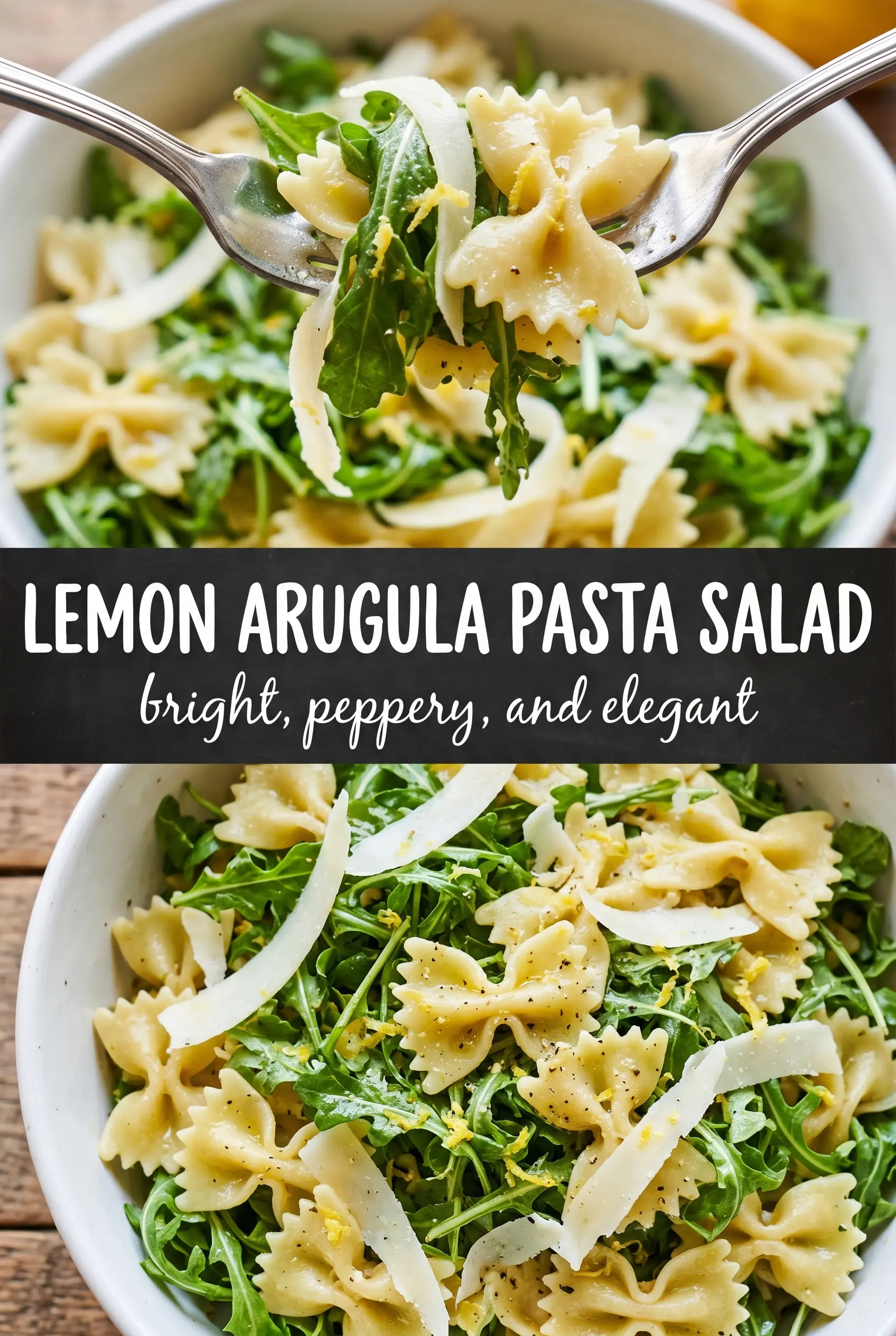
Lemon Arugula Pasta Salad
Ingredients
Equipment
Method
- Cook the linguine or short pasta in boiling water until al dente, then drain and reserve 1/4 cup pasta water.
- In a bowl, whisk olive oil, fresh lemon juice, lemon zest, Dijon mustard, minced garlic, salt, black pepper, and red pepper flakes until smooth.
- While the pasta is still warm, toss it with baby arugula so the leaves wilt slightly from the heat.
- Add the cherry tomatoes, then pour in the lemon dressing and toss thoroughly, adding a splash of reserved pasta water if needed.
- Top with shaved parmesan and toasted pine nuts.
- Serve warm or at room temperature.