Honey baked ham comes out with a crackly, lacquered crust and slices that stay juicy all the way through. The glaze clings in that sticky-sweet way people expect from a holiday ham, but the real payoff is the contrast: salty, tender meat under a spiced sugar shell that shatters a little when you cut into it. It looks impressive on the table, and it’s straightforward enough to pull off without babysitting the oven.
The trick is in the layering. A spiral-cut ham already gives the glaze plenty of places to sink in, so the honey butter goes on first to help the sugar stick and melt into the surface. Then the spiced sugar mix gets patted on in stages instead of all at once, which builds that crackly crust without burning the outside before the center is hot.
Below, I’ll show you how to keep the ham from drying out, how to get that deep golden crust, and what to do if you want to make it a little more or less sweet.
The glaze set up with that crackly finish I was hoping for, and the slices stayed moist even after I reheated the leftovers the next day. My dad kept going back for “just one more piece.”
Save this honey baked ham for a crackly spiced crust and juicy spiral-cut slices that hold up beautifully at the table.
The Secret to Keeping Spiral Ham Juicy While the Crust Sets
A spiral-cut ham dries out fast if you blast it with high heat from the start. The covered low-and-slow bake warms the meat through without pulling too much moisture out of those thin slices, and that first stage matters more than the glaze does. If you rush this part, the outside will darken before the center is hot, and the slices near the edges will taste dry no matter how good the coating is.
The second thing that keeps this working is timing the glaze for the last stretch only. Honey and sugar need heat to caramelize, but they don’t need to sit in a hot oven for hours. Building the crust in short rounds gives you a deep, glossy finish instead of a bitter, scorched shell.
What the Honey, Butter, and Spices Are Each Doing Here
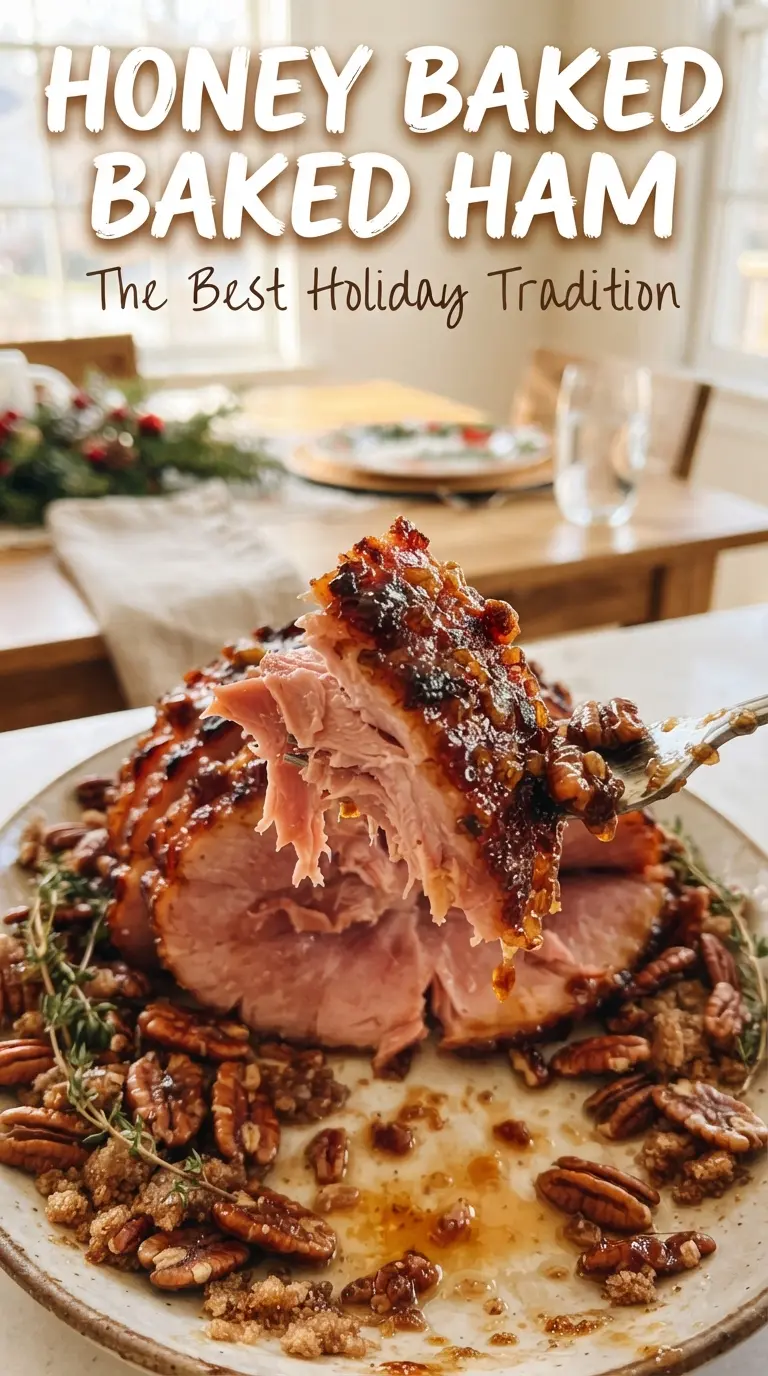
- Honey — This gives the ham its signature shine and sticky finish. It also helps the sugar melt into a thin glaze that clings to the slices instead of sliding off. If your honey is thick or crystallized, warm it with the butter so it brushes on smoothly.
- Butter — Butter carries the glaze and helps it brown without turning dry or grainy. You can use salted or unsalted; if you use salted, the ham tastes a little rounder and less sweet. Don’t skip it, because honey alone tends to set up too sharply on the surface.
- Brown sugar and granulated sugar — The granulated sugar gives the crust snap, while brown sugar brings a deeper molasses note and a little more chew. Using both makes the topping set into that crackly layer instead of turning into a wet glaze. If you only have brown sugar, it still works, but the finish will be softer.
- Cinnamon, cloves, ginger, nutmeg, allspice, and paprika — These spices make the glaze taste warm and rounded instead of just sweet. Cloves do a lot of heavy lifting here, so don’t overdo them unless you want a sharper, more holiday-forward flavor. Paprika doesn’t taste smoky in this amount; it just adds color and keeps the crust from looking pale.
- Fully cooked spiral-sliced ham — This matters more than any other ingredient. The recipe is built for a pre-cooked ham, so you’re heating and glazing, not cooking raw pork. A bone-in ham stays juicier and has better flavor than boneless, and the spiral slicing lets the glaze seep between the layers.
How to Build the Crust Without Burning the Ham
Warming the Ham Through
Set the ham cut-side down in the roasting pan and cover it tightly with foil before it goes into the oven. That foil traps steam and protects the exposed spiral slices from drying out while the center comes up to temperature. Bake until the ham is hot through, but don’t chase color yet; the crust comes later. If the foil is loose, the top edges dry out and the glaze won’t look even.
Brushing on the Honey Butter
Melt the honey and butter together until they blend into one smooth mixture, then brush it generously over the ham. The surface should look glossy and coated, not patchy. This layer is what helps the sugar cling, so don’t rush it or you’ll get bare spots. A pastry brush works best because it gets down into the slices.
Patting on the Sugar in Stages
Mix the sugars and spices in a bowl, then pat the mixture onto the glazed ham instead of dumping it on. Pressing it on helps the granules stick to the honey butter and start melting right away. After the first round, return the ham to the hot oven for just a few minutes, then repeat the glaze-and-sugar cycle twice more. If the oven stays too cool here, the sugar turns sandy instead of forming that crackly shell.
Finishing at High Heat
Once the coating is on, raise the oven temperature and watch closely. You want deep golden edges, tiny bubbling spots, and a crust that looks set, not blackened. This last burst of heat is where the magic happens, but it goes from perfect to burned fast because of the sugar. Pull it as soon as the surface looks bronzed and the ham reaches 140F.
Make It a Little Less Sweet
Cut the granulated sugar down by about 1/4 cup if you want a lighter glaze that leans more savory. The ham will still brown and stay glossy, but the crust won’t set as thick or candy-like. This is the version I’d use if the ham is serving alongside sweeter sides like glazed carrots or sweet potatoes.
Gluten-Free by Default
This recipe is naturally gluten-free as written, as long as your ham and spices are certified gluten-free. The glaze depends on sugar, honey, and spices, so there’s nothing to swap for flour or breadcrumbs. Just double-check the label on the spiral ham if you’re cooking for someone with celiac disease.
Swap the Spices for a Gentler Finish
If you want a softer glaze, reduce the cloves and allspice by half and let cinnamon carry most of the seasoning. The ham will taste warmer and less bold, with a more classic honey-baked profile. This version is good when you want the sugar crust to be front and center.
Storage and Reheating
- Refrigerator: Store sliced ham in an airtight container for 3 to 4 days. The crust softens in the fridge, but the flavor holds up well.
- Freezer: Freeze sliced ham in portions for up to 2 months. Wrap it tightly and tuck a little of the pan juices in the package if you have them to help keep the meat moist.
- Reheating: Reheat covered at 300F with a splash of pan juices or water until just warmed through. High heat dries spiral ham fast, so don’t blast it in the oven or microwave unless you want the edges to get tough.
Answers to the Questions Worth Asking
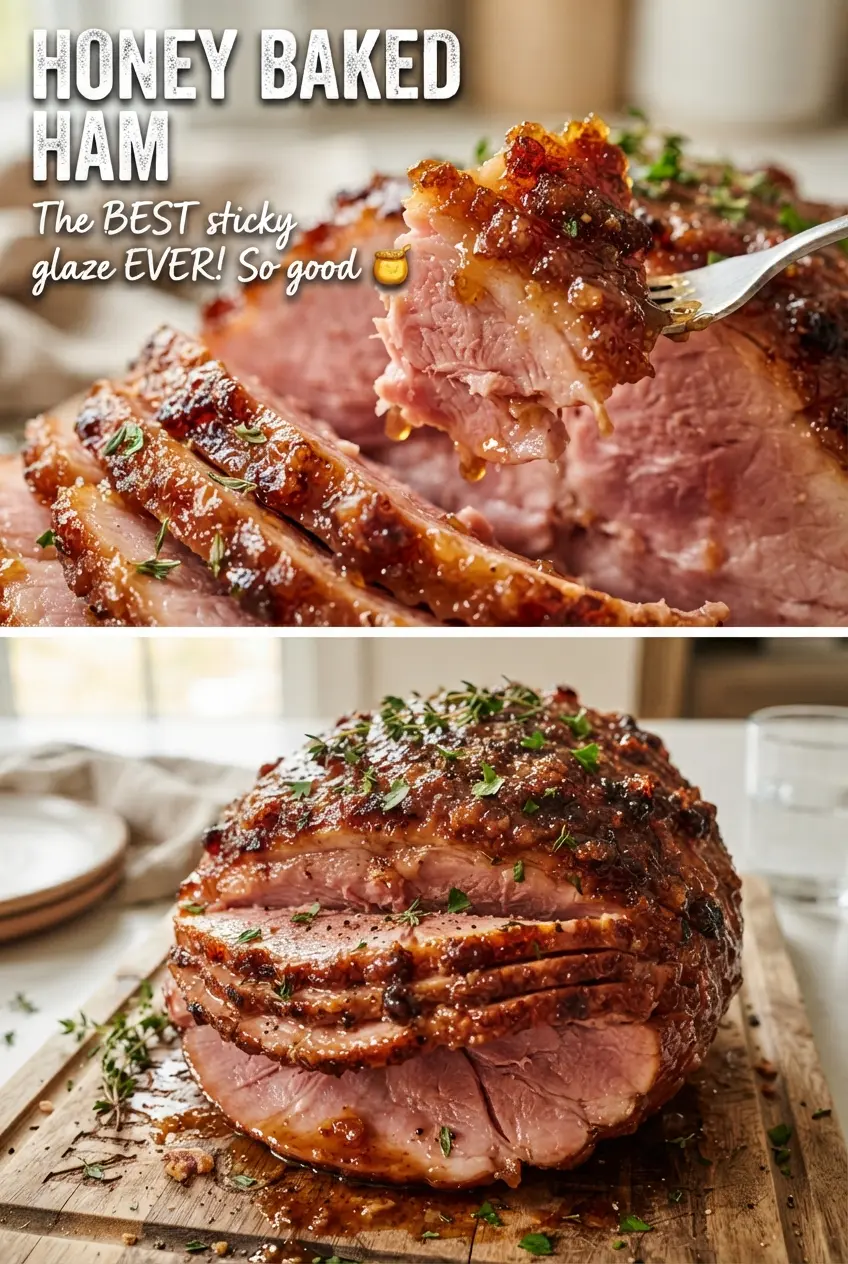
Honey Baked Ham
Ingredients
Equipment
Method
- Preheat the oven to 325F, then place the ham cut-side down in a roasting pan and cover tightly with foil.
- Bake at 325F for 12-14 minutes per pound, until the internal temperature reaches 120F.
- Melt the honey and butter together until smooth.
- In a separate bowl, mix the granulated sugar, brown sugar, cinnamon, cloves, ginger, nutmeg, allspice, and paprika until evenly combined.
- Remove the foil and brush the ham generously with the honey-butter.
- Pat the spiced sugar mixture onto the glazed ham, creating an even coating (aim for full coverage on the surface).
- Raise the oven to 400F and bake for 5 minutes, until the sugar starts to set and look lightly caramelized.
- Brush with more honey-butter and pat on another layer of spiced sugar, then bake again at 400F for 5 minutes.
- Brush with the remaining honey-butter and pat on the final layer of spiced sugar, then bake at 400F until the crust is deep golden and crackly and the ham reaches 140F.
- Rest the ham for 15 minutes before serving to help the juices redistribute and the crust stay crackly.