Fresh cranberry orange sauce brings the kind of bright, glossy finish that cuts through rich holiday food and wakes up everything on the plate. The cranberries cook down into a thick, jewel-toned sauce, then the orange adds sweetness and a citrus edge that keeps it from tasting flat. Folding in the orange segments at the end gives every spoonful a little burst of fresh juice and soft fruit instead of turning the whole pot into jam.
The trick here is building the syrup first, then letting the cranberries burst just long enough to thicken the sauce without turning the whole thing muddy. Orange zest goes in off the heat so it stays fragrant, and the orange segments are folded in after the sauce cools slightly so they hold their shape. That little bit of restraint is what makes this version taste fresh instead of cooked-out.
Below, I’m covering the part that matters most: how to keep the sauce bright, how to swap in frozen cranberries if that’s what you have, and what to do if you want a smoother or chunkier texture.
The sauce thickened up beautifully and the orange segments stayed intact instead of turning mushy. I served it chilled the next day and the citrus flavor was even better.
Like this fresh cranberry orange sauce? Save it for the meals that need a bright, glossy spoonful of citrusy contrast.
The Trick to Keeping Cranberry Sauce Bright Instead of Jammy
Most cranberry sauces get overcooked because people wait for every berry to burst before they stop the heat. That’s where the texture turns from lively to gluey. You want most of the cranberries popped and the liquid slightly syrupy, but not cooked down until the pot looks thick enough to stand a spoon upright.
The orange juice does two jobs here. It gives the cranberries enough liquid to start cooking without waterlogging the sauce, and it adds sweetness with a sharper edge than plain water or extra sugar would. The finish matters too: zest goes in after cooking so it stays fragrant, and the segmented orange is folded in last so the sauce keeps some fresh texture.
What the Orange Is Actually Doing Here
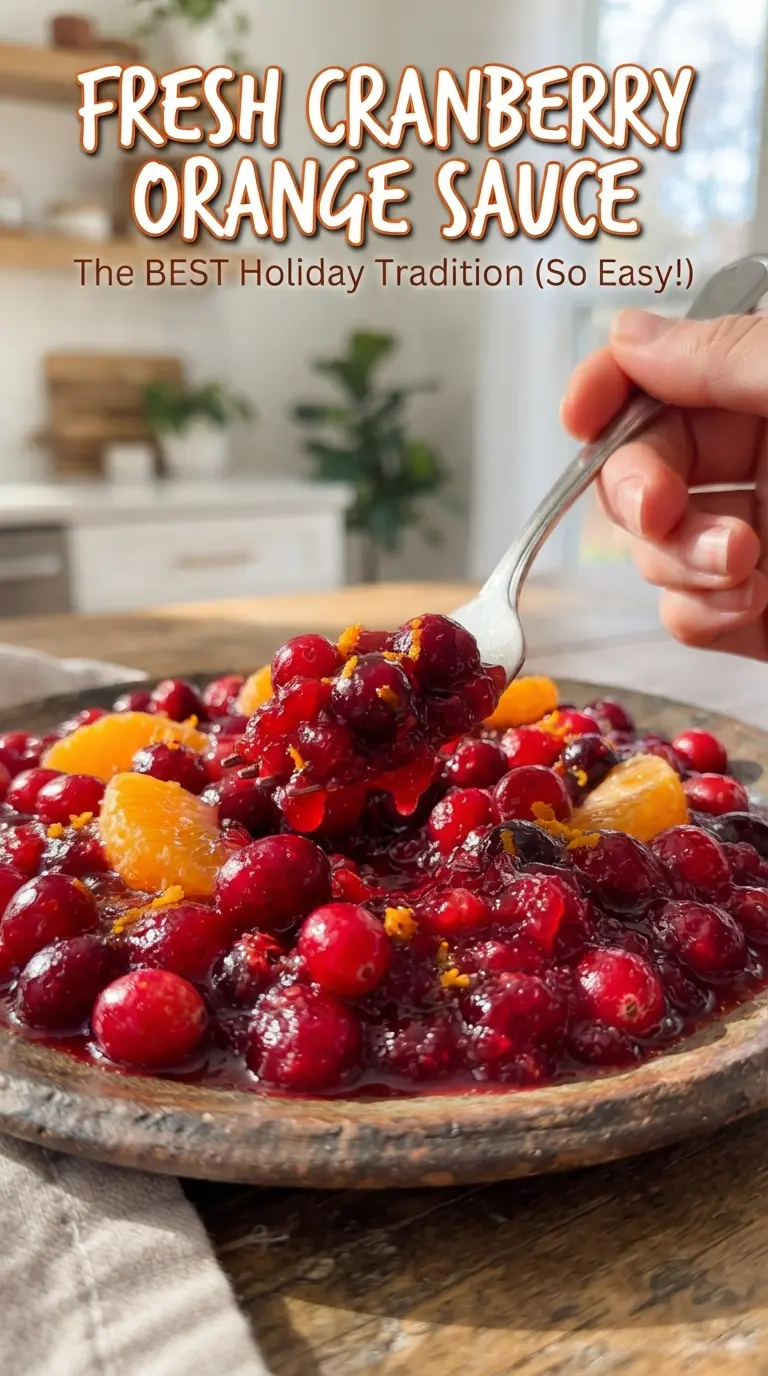
- Fresh cranberries — These are the backbone of the sauce. Frozen cranberries work too, and you can use them straight from the freezer without thawing; they may need a minute or two more on the stove, but they’ll still burst and thicken properly.
- Fresh orange juice — Bottled juice can taste flat here. Fresh juice gives the sauce a cleaner citrus flavor and enough acidity to keep the sweetness from taking over.
- Orange zest — This is where the big orange aroma comes from. Zest should go in off the heat so the oils stay bright instead of cooking away.
- Orange segments — These are not just garnish. They add juicy bites and a little freshness that makes the sauce taste lighter and more layered than a standard cranberry relish.
- Sugar — The sugar balances the tart berries and also helps create that shiny, spoonable texture. If you cut it too far, the sauce can taste sharp and one-note.
How to Cook It So the Berries Burst at the Right Time
Start With the Syrup
Bring the orange juice and sugar to a full boil first, just until the sugar dissolves and the liquid looks clear. That gives the cranberries an even cooking base instead of letting them sit in gritty syrup. If you add the berries before the sugar has dissolved, the bottom can taste sandy and the sauce won’t thicken as smoothly.
Let the Cranberries Pop, Then Stop
Once the cranberries go in, keep the simmer steady for about 10 minutes. You’ll hear the berries start to pop, then the sauce will shift from loose and foamy to thicker and glossy. Pull it as soon as most of the berries have burst; if you keep cooking after that, the sauce can reduce too far and lose its fresh cranberry flavor.
Finish With Zest and Segments
Take the pan off the heat before stirring in the orange zest. That keeps the citrus oil bright instead of dull. Let the sauce cool slightly before folding in the orange segments, because very hot sauce can make them break apart and release too much juice into the pot. Chill it before serving so the texture sets and the flavor settles.
Ways to Adjust It for Different Tables
Make It Less Sweet
Cut the sugar slightly if you like a sharper cranberry bite, but don’t remove it completely. Sugar isn’t just sweetness here; it rounds out the tart fruit and helps the sauce thicken into a spoonable consistency.
Use Frozen Cranberries
Frozen cranberries work well and don’t need to be thawed first. Add them straight to the simmering syrup and expect the cook time to stretch by a couple of minutes while they heat through and burst.
Make It Smoother
For a smoother sauce, simmer the cranberries a minute or two longer and gently mash them with the back of a spoon. The tradeoff is a less textured sauce, but you’ll get a more traditional spoonable consistency that works well for sandwiches or layering into desserts.
Storage and Reheating
- Refrigerator: Store in a covered container for up to 1 week. It thickens as it chills, so don’t judge the final texture while it’s still warm.
- Freezer: Freezes well for up to 2 months. Thaw overnight in the refrigerator and stir before serving.
- Reheating: Serve it chilled or bring it to room temperature. If you warm it, do it gently over low heat and stir often so the citrus flavor stays bright and the orange segments don’t collapse.
Questions I Get Asked About This Recipe
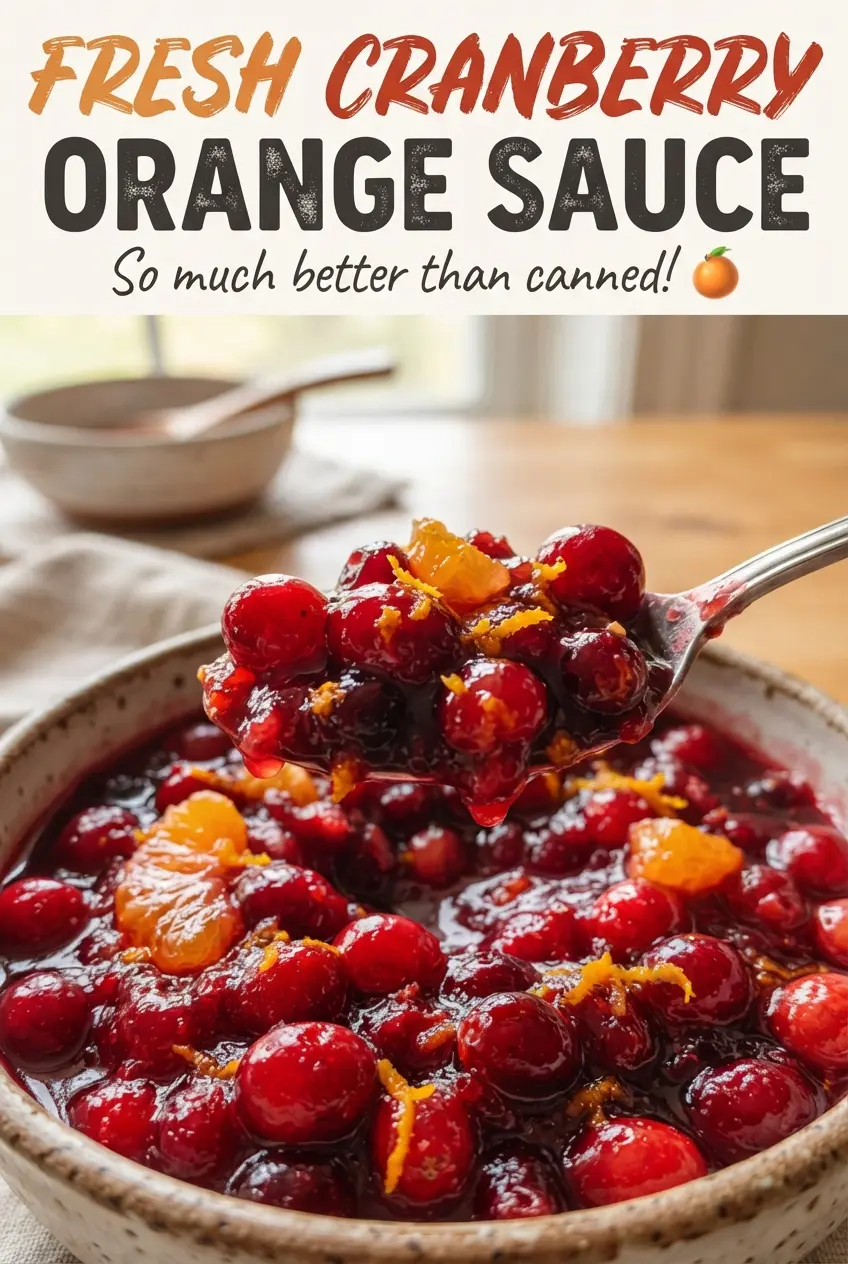
Fresh Cranberry Orange Sauce
Ingredients
Equipment
Method
- Bring sugar and fresh orange juice to a boil in a saucepan. Keep it at a steady boil so the sugar dissolves, about 2 minutes.
- Add fresh cranberries and salt, then return to a simmer. Simmer for 10 minutes until most of the berries burst, stirring occasionally as the sauce thickens.
- Remove the saucepan from heat and stir in orange zest. Let it steam down and become fragrant.
- Cool slightly, about 5 minutes, then gently fold in orange, peeled and segmented. Stop as soon as the segments are combined to keep them juicy and intact.
- Chill the sauce until serving, at least 2 hours. The color will deepen and the texture will become spoonable when cold, with the segments suspended throughout.