Juicy chicken breasts tucked into a tangy cream cheese sauce make this the kind of skillet dinner that gets scraped clean at the table. The sauce is thick enough to cling to every bite, but it still stays silky instead of heavy, and the lemon zest plus chives keep the richness from flattening out. It tastes like something you’d order at a restaurant, but it comes together fast enough for a weeknight.
The key is building the sauce in the same pan you used for the chicken. Those browned bits left behind after searing are where a lot of the flavor lives, and the broth pulls them loose before the cream cheese goes in. Softened cream cheese melts smoothly, while sour cream adds a lighter tang that keeps the sauce from tasting one-note.
Below, I’m walking through the part that matters most: how to get the sauce smooth, what to do if it looks a little stubborn at first, and the small finishing touches that make this skillet chicken taste complete.
The sauce thickened up beautifully and coated the chicken instead of sliding off. I was worried the cream cheese would be lumpy, but once I lowered the heat and kept stirring, it turned out silky.
Pinned for creamy chicken nights when you want a tangy sauce that clings to every bite.
The Reason Cream Cheese Turns This Skillet Sauce Silky Instead of Grainy
The difference between a smooth sauce and a broken one comes down to heat control. Cream cheese can go from creamy to clumpy fast if the pan is too hot, so the broth does the first job of loosening the fond, then the heat comes down before the dairy goes in. That order matters more than people think.
Chicken breast also needs a quick sear, not a long cook in the pan. Once it’s golden and cooked through, pull it out so the sauce can come together without overcooking the meat. If the chicken stays in too early, the sauce has less room to reduce and the breast can turn dry while you wait for the dairy to melt.
What Each Ingredient Is Actually Doing In This Chicken

- Chicken breasts — Boneless, skinless breasts give you a lean base that stays tender when seared quickly and finished in sauce. If yours are very thick, pound them to even thickness so they cook at the same rate and don’t dry out on the outside before the center is done.
- Cream cheese — This is what gives the sauce body and that velvet-like texture. It needs to be softened and cut into cubes so it melts without fighting the pan; cold blocks take longer and are more likely to leave little soft lumps behind.
- Sour cream — This adds tang and loosens the richness of the cream cheese. Don’t add it over high heat or boil the sauce after it goes in, or it can separate and turn a little grainy.
- Chicken broth — Broth helps dissolve the browned bits in the pan and gives the sauce enough liquid to become spoonable instead of pasty. Stock works too, but broth is usually a little lighter and lets the cream cheese flavor stay front and center.
- Lemon juice and zest — The juice sharpens the sauce, and the zest wakes up the whole dish at the end. Fresh lemon matters here; bottled juice tastes flat next to the dairy.
- Chives — These are not just garnish. They add a fresh onion note that keeps the sauce from tasting heavy, especially if you serve this with mashed potatoes or pasta.
How to Keep the Sauce Smooth From the First Sear to the Final Spoonful
Getting the Chicken Golden First
Season the chicken well before it hits the pan so the surface can brown instead of steaming. You’re looking for a deep golden crust and an internal temperature of 165°F, not a pale exterior that needs extra time later. If the chicken sticks when you try to turn it, give it another minute; a proper sear releases more cleanly.
Using the Pan Drippings
Once the chicken comes out, add the garlic for just 30 seconds, then pour in the broth while the pan is still hot. Scrape the bottom with a wooden spoon until the browned bits dissolve into the liquid. If you skip this, the sauce tastes flatter and you leave flavor stuck to the pan.
Melting the Cream Cheese Without Rush
Drop the heat to medium-low before the cream cheese goes in. Stir the cubes until they melt completely and the sauce looks smooth before you add the sour cream. If the heat is too high, the outside can soften while the center stays stubborn, which is how you end up chasing little lumps around the skillet.
Finishing With Tang and Freshness
Stir in the sour cream, lemon juice, and Italian seasoning off a gentle heat. The sauce should look creamy and lightly thickened, not bubbling hard. Return the chicken to the pan and spoon the sauce over the top so it warms through without going back to a full boil.
How to Adapt This for a Different Pantry or a Different Table
Make It Dairy-Free With a Few Smart Swaps
Use a dairy-free cream cheese and a plain unsweetened dairy-free sour cream. The sauce will still be creamy, but it may taste a little less tangy, so keep the lemon juice in place and taste before serving. Some dairy-free substitutes thicken faster, so add the broth slowly until the sauce coats the back of a spoon.
Use Chicken Thighs for a Richer Finish
Boneless, skinless thighs bring a little more richness and stay juicy even if they simmer a minute longer in the sauce. They usually need a few extra minutes to cook through, but they’re more forgiving than breasts if you like a darker sear and a fuller chicken flavor.
Make It Gluten-Free Without Changing the Method
This recipe is naturally gluten-free as written as long as your chicken broth is certified gluten-free. That’s worth checking, because some broths use additives or flavorings that sneak in gluten even when the rest of the ingredient list looks clean.
Add Mushrooms or Spinach for a Fuller Skillet Dinner
Sauté sliced mushrooms after the chicken comes out, before the garlic goes in, so they can brown instead of steaming. Spinach can be stirred in at the very end and will wilt in the hot sauce without changing the texture much.
Storage and Reheating
- Refrigerator: Store leftovers in an airtight container for up to 3 days. The sauce will thicken as it chills, but it stays tasty.
- Freezer: I don’t recommend freezing this one. Cream cheese and sour cream sauces can separate after thawing, and the texture won’t come back the same.
- Reheating: Warm it gently on the stovetop over low heat with a splash of broth to loosen the sauce. High heat is the mistake here; it can make the dairy turn grainy before the chicken is hot.
Answers to the Questions Worth Asking
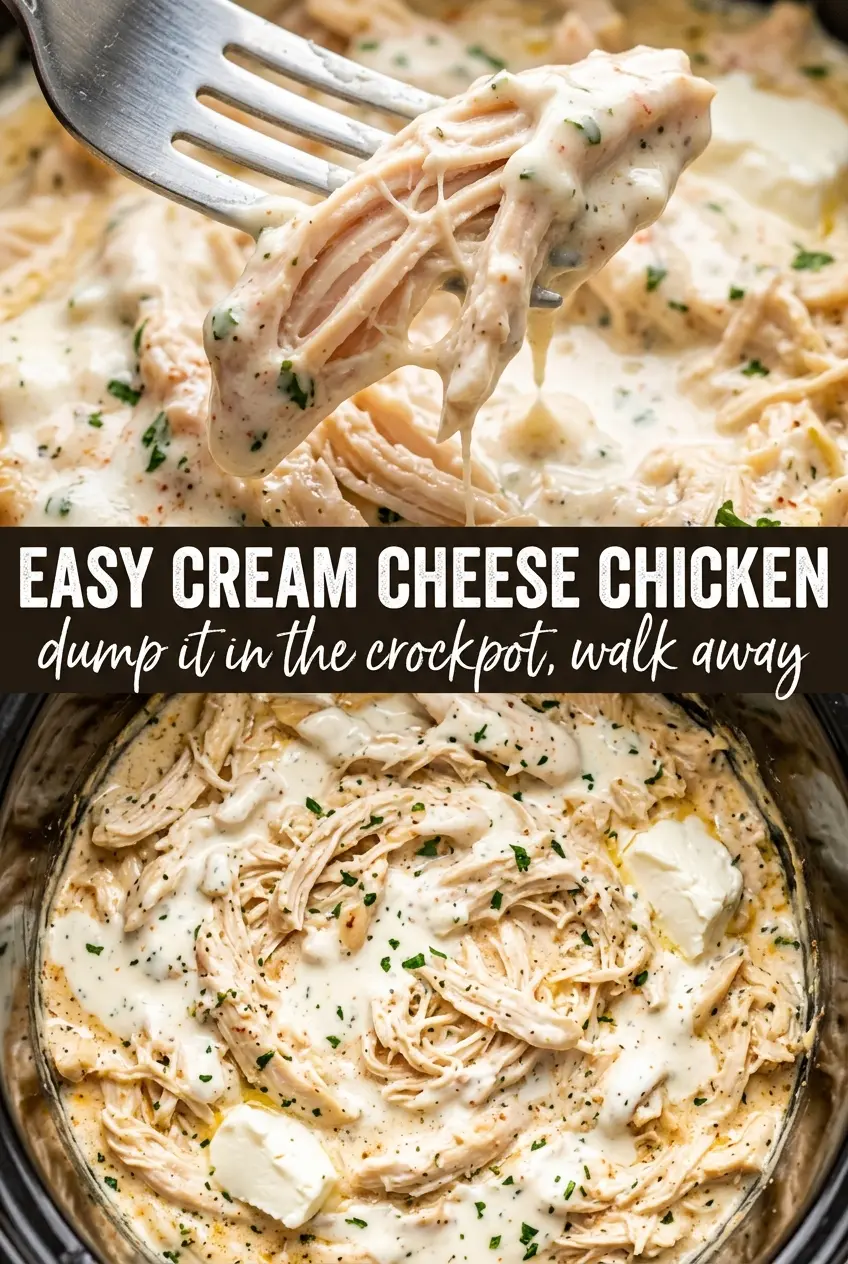
Easy Cream Cheese Chicken
Ingredients
Equipment
Method
- Season the boneless skinless chicken breasts with salt, pepper, garlic powder, and onion powder to taste. Sear in olive oil in a large skillet over medium-high heat for 5-6 minutes per side until golden.
- Check doneness by ensuring the internal temperature reaches 165°F; remove the chicken from the skillet to a plate. Keep any juices behind in the pan.
- Cook the minced garlic in the same pan over medium-high heat for 30 seconds until fragrant. Immediately pour in the chicken broth and scrape up the browned bits.
- Add the cubed cream cheese and stir over medium-low heat until fully melted and smooth. Keep stirring until the sauce looks glossy and uniform.
- Stir in sour cream, fresh lemon juice, and Italian seasoning until the sauce is creamy and well combined; do not boil after adding sour cream. Keep the heat at a gentle simmer only.
- Return the chicken breasts to the pan and spoon the tangy cream cheese sauce over each piece. Let the chicken warm briefly in the sauce without boiling.
- Garnish with fresh chives and lemon zest. Serve while the sauce is thick and coats the chicken surface.