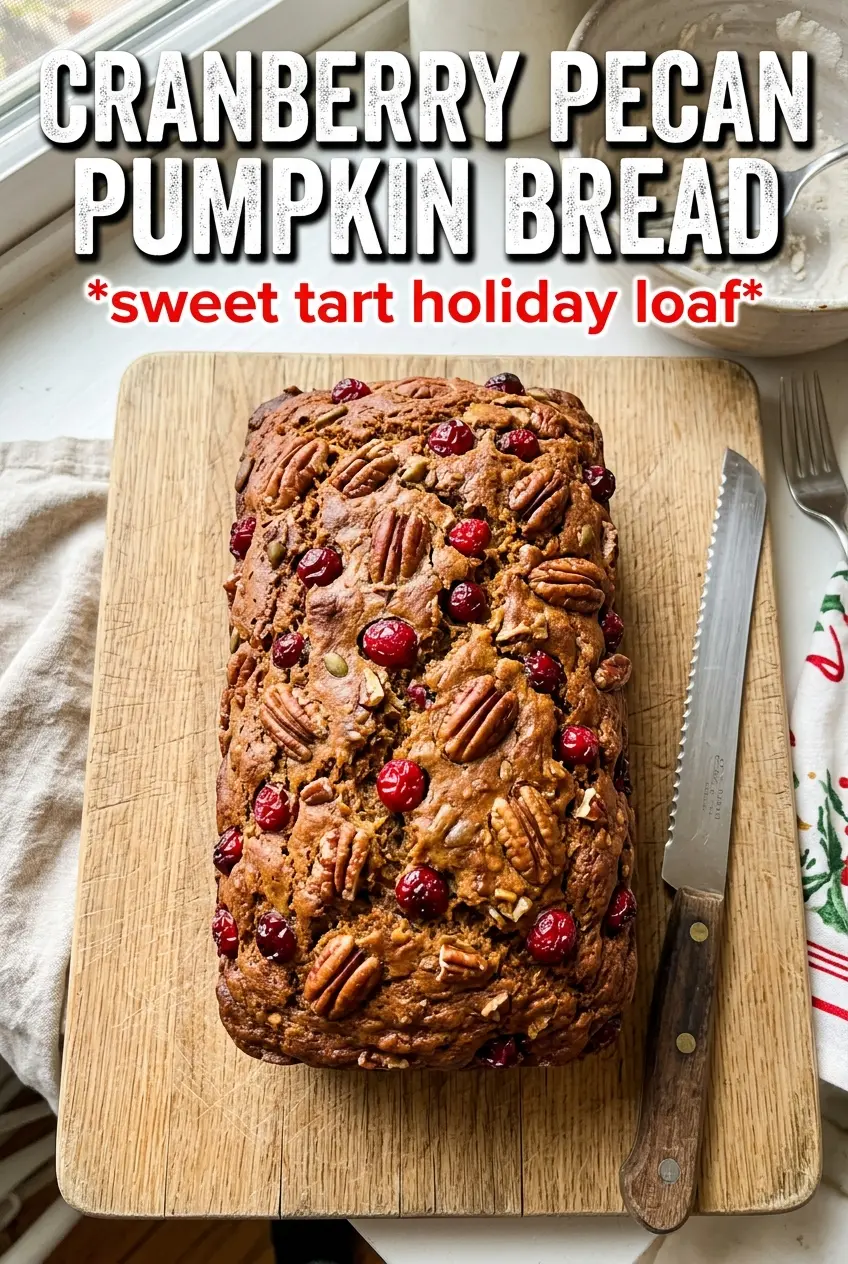
Cranberry pecan pumpkin bread bakes up with a tender, deeply spiced crumb, tart little pops of cranberry, and toasted pecans in every slice. The orange glaze on top pulls the whole loaf together with just enough sweetness to make it feel finished without hiding the pumpkin.
What makes this loaf work is the balance. Pumpkin puree keeps the crumb moist, brown sugar adds a little molasses depth, and orange zest wakes up the spice blend so the bread tastes brighter, not heavy. The cranberries need to be folded in at the very end so they stay scattered instead of streaking the batter, and the pecans bring a nutty crunch that keeps each slice interesting.
Below, I’ve included the small details that matter: how to keep the loaf from baking up gummy in the center, why chopped cranberries work better than whole ones, and a few easy variations if you want to change the fruit, nuts, or glaze.
The loaf came out moist all the way through, and the chopped cranberries stayed bright instead of sinking. I also loved the orange glaze with the pecans on top — it made each slice taste bakery-fresh.
Save this cranberry pecan pumpkin bread for the mornings when you want a moist loaf with tart fruit, crunchy pecans, and a quick orange glaze.
The Part That Keeps Pumpkin Bread From Baking Up Heavy
Pumpkin bread gets dense when the batter is overmixed or when the loaf pan is packed with too much fruit and nuts. This version stays tender because the wet ingredients are whisked smooth first, then the dry ingredients are folded in only until the flour disappears. That small pause matters. It keeps the crumb soft instead of tight.
The other thing that helps is chopping the cranberries and pecans. Whole cranberries can create big wet pockets, and large nut pieces can sink before the bread sets. Smaller pieces distribute more evenly through the batter, so every slice gets color, crunch, and tartness without falling apart.
What Each Ingredient Is Doing in This Loaf
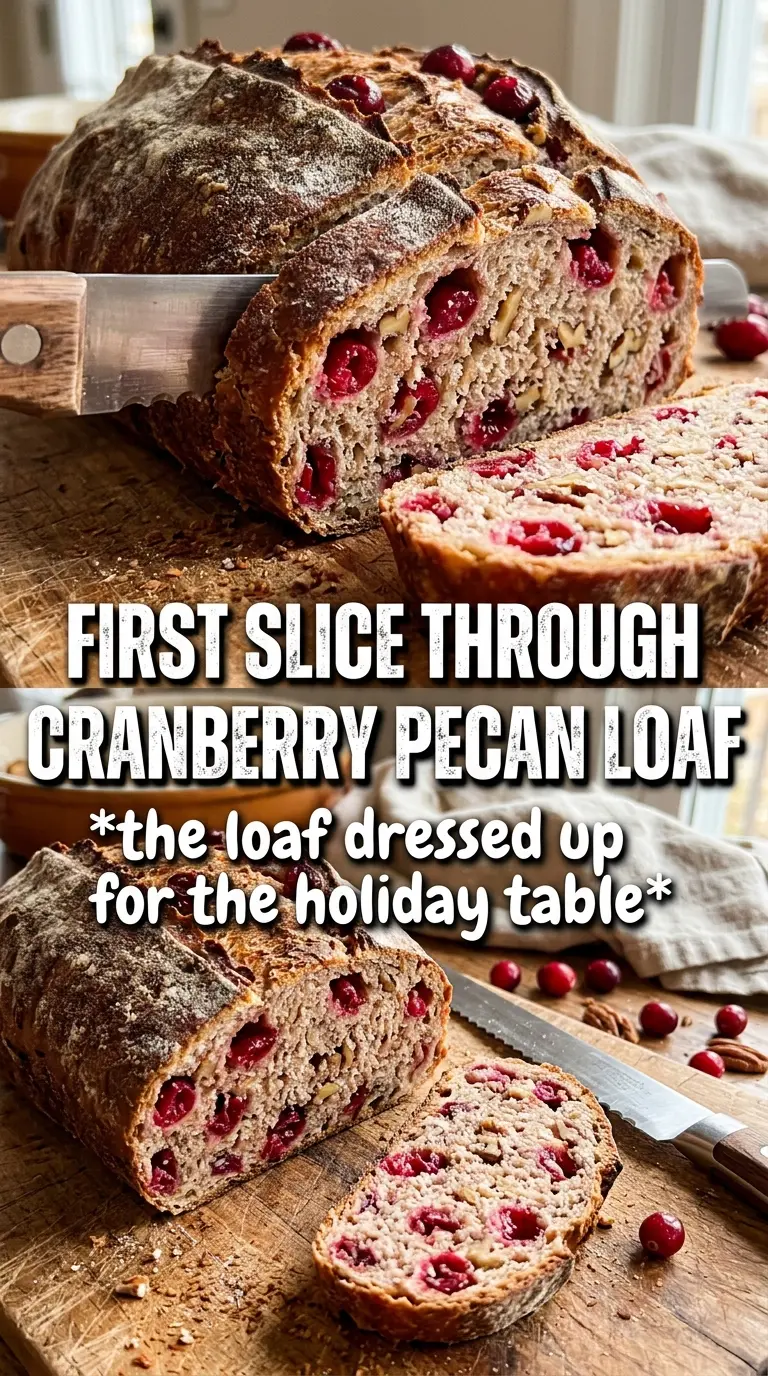
- Pumpkin puree — This is the moisture and structure of the loaf. Use plain pumpkin puree, not pumpkin pie filling, or the bread will be too sweet and the spice balance will be off.
- Brown sugar and granulated sugar — The mix gives you both depth and a clean sweetness. Brown sugar adds a little chew and keeps the loaf from tasting flat.
- Orange zest — This is the part that makes the cranberry and pumpkin taste brighter together. Don’t skip it unless you’re changing the whole flavor profile, because it lifts the spice instead of letting the loaf taste heavy.
- Cranberries — Fresh or frozen both work. If you use frozen, chop them while still frozen so they don’t bleed too much into the batter.
- Pecans — They add texture and a toasted, buttery finish. Walnuts work in a pinch, but pecans are sweeter and fit the orange glaze better.
- Orange glaze — This is optional in the strictest sense, but it makes the loaf taste finished. The orange juice thins the powdered sugar just enough to drip without running right off.
How to Mix and Bake It So the Center Sets Cleanly
Whisk the Wet Ingredients Until Smooth
Start with the pumpkin puree, both sugars, oil, eggs, vanilla, and orange zest. Whisk until the mixture looks glossy and evenly combined, with no streaks of egg visible. If the eggs aren’t fully blended here, you’ll get pockets of custard-like texture in the finished loaf. The batter should look thick and smooth, not fluffy.
Fold the Dry Ingredients in Gently
Add the flour, baking soda, pumpkin pie spice, cinnamon, and salt all at once, then fold just until the flour disappears. A few streaks are fine right before you add the cranberries and pecans. Overmixing at this point develops too much gluten, and that’s how pumpkin bread turns chewy instead of tender.
Finish with Fruit, Nuts, and a Little Patience
Fold in most of the cranberries and pecans, then pour the batter into the greased loaf pan and scatter the reserved pieces over the top. That top layer gives the loaf a nice bakery look and keeps the mix-ins from all settling at the bottom. Bake until a toothpick comes out clean or with just a few moist crumbs, then let the loaf cool for 20 minutes before glazing. If you glaze too early, it melts into the crust instead of sitting on top.
Three Ways to Adjust This Loaf Without Losing the Good Parts
Make it dairy-free as written
This loaf is already dairy-free if you use the ingredients listed, which makes it a good one to bake for a mixed crowd. The glaze is the only place you’d need to watch for add-ins, but powdered sugar and orange juice keep it simple.
Swap the nuts for walnuts or leave them out
Walnuts work if that’s what you have, though they taste a little earthier than pecans. If you leave nuts out completely, the loaf will still bake well, but the crumb will be softer and a little less varied in texture.
Use dried cranberries for a sweeter slice
Dried cranberries make the loaf sweeter and a little denser in the fruit pockets. If you use them, chop them first and use a scant cup so the batter doesn’t get overloaded with chew.
Storage and Reheating
- Refrigerator: Store sliced or whole, wrapped well, for up to 5 days. The crumb gets a little more settled on day two, which actually helps the spice come through.
- Freezer: This freezes well. Wrap the cooled loaf tightly in plastic, then foil, and freeze for up to 3 months. Thaw at room temperature before glazing if you want the top to stay neat.
- Reheating: Warm individual slices in the microwave for 10 to 15 seconds or in a low oven. The mistake to avoid is blasting it too long, which dries out the crumb and makes the glaze sticky instead of soft.