Cinnamon fried apples hit that sweet spot between dessert and side dish: tender slices, a glossy brown sugar syrup, and enough warm spice to make the whole skillet smell like comfort. The best part is the texture. The apples soften without turning mushy, and the sauce tightens just enough to coat every piece instead of pooling at the bottom of the pan.
What makes this version work is the timing. The apples cook under a lid first, which traps steam and gets them tender before the sugar has a chance to scorch. Then a quick cornstarch slurry turns the juices into a shiny sauce that clings instead of going watery. Honeycrisp gives you a sweeter finish, while Granny Smith keeps the flavor brighter and a little sharper.
Below, I’ve included the small details that make the skillet behave: when to cover it, when to stop stirring, and how to keep the sauce smooth. If you’ve ever ended up with apples that were either crunchy in the middle or broken down into applesauce, this method fixes both.
The apples held their shape and the sauce turned glossy right at the end, not watery. I served them over pork chops and my husband asked why I’ve never made them like this before.
Save these cinnamon fried apples for the nights when you want a warm skillet side with tender fruit and a glossy brown sugar sauce.
The Reason Apples Turn Mushy Before the Sauce Is Right
The mistake with fried apples is usually impatience. If the heat is too high, the outside softens fast while the centers stay firm, and the sugar starts to catch before the fruit has released enough juice to make a proper syrup. This recipe avoids that by starting with a covered skillet over medium heat, which softens the apples gently and builds enough liquid in the pan to keep everything moving.
The other piece that matters is the apple variety. Firm apples hold their shape and keep a little bite after cooking, which is what gives the dish its spoonable texture instead of turning it into applesauce. The cornstarch goes in only after the apples are tender, because thickening too early makes the syrup gluey before the fruit is ready.
- Covered cooking first — Steams the apples just enough to soften them without breaking them apart.
- Medium heat — Keeps the butter and sugar from scorching while the apples cook through.
- Cornstarch at the end — Thickens the juices into a glossy sauce instead of a thin, sugary liquid.
What the Apples, Butter, and Spices Are Actually Doing Here
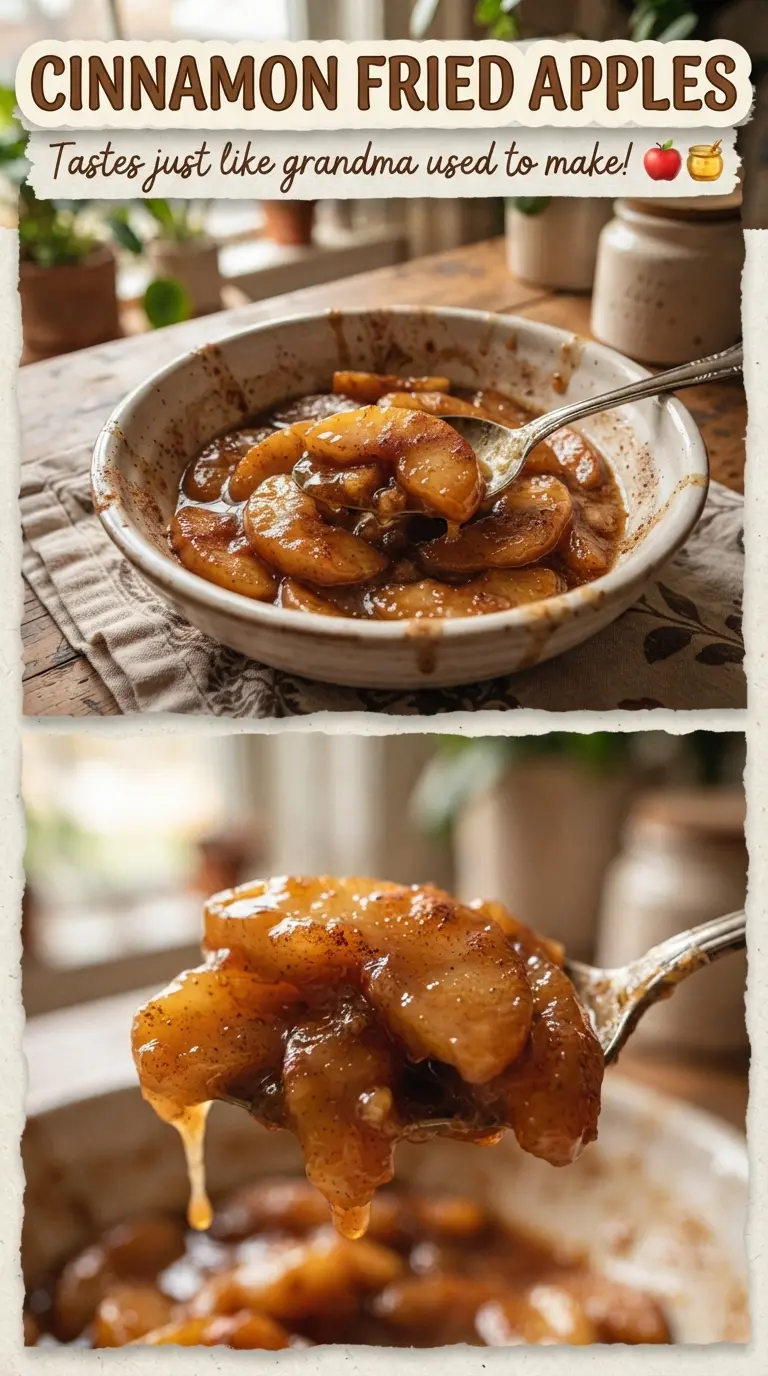
- Firm apples — Honeycrisp gives a sweeter, juicier result; Granny Smith stays brighter and a little firmer. Softer apples can work in a pinch, but they collapse faster and won’t hold the same shape.
- Butter — Carries the cinnamon and brown sugar and gives the sauce its round, rich finish. There isn’t a true substitute that tastes the same, though a good plant-based butter can work if you need a dairy-free version.
- Brown sugar — Adds molasses depth and helps build the syrupy coating. White sugar will sweeten the dish, but it won’t give you the same color or caramel note.
- Cinnamon and nutmeg — Cinnamon is the lead flavor; nutmeg adds a softer, warmer background note. Keep the nutmeg modest or it takes over the pan.
- Cornstarch slurry — This is what turns the pan juices into a glossy sauce. Mix it with cold water first so it disperses evenly and doesn’t clump.
- Vanilla — Stir it in off the heat at the end so it stays fragrant. If it goes in too early, the aroma cooks off before the apples are served.
Getting the Sauce Glossy Without Overcooking the Apples
Softening the apples under the lid
Melt the butter first, then add the apples, sugar, spices, and salt all at once so every slice gets coated right away. Cover the skillet and let the apples steam in their own juices for 8 to 10 minutes, stirring once or twice so the bottom layer doesn’t stick. You want the apples just tender at this stage, with some structure left in the center. If the pan looks dry before the apples soften, the heat is too high.
Thickening the pan juices
Whisk the cornstarch with the water until it looks completely smooth, then pour it into the skillet in a thin stream. Stir while the sauce simmers for 2 to 3 minutes, and watch for the change from cloudy liquid to a clear, glossy coating. If you dump cornstarch straight into the pan, you’ll get little starchy lumps that never fully dissolve. Keep the simmer gentle; a hard boil can make the sauce seize and turn dull.
Finishing with vanilla and serving warm
Take the skillet off the heat before adding the vanilla, then stir and serve right away while the sauce is still loose and shiny. As it sits, the syrup thickens more, which is great for spooning over pancakes, pork chops, or ice cream, but it can cling tighter than you expect. If it gets too thick, a splash of warm water loosens it back up without washing out the flavor.
How to Adjust These Apples for Different Kitchens and Different Tables
Dairy-Free Skillet Apples
Swap the butter for a good plant-based butter that melts cleanly. Coconut oil works too, but it changes the flavor and gives the sauce a softer finish, so the result tastes less like classic fried apples and more like a tropical-spiced compote.
Less Sweet, More Tart
Use all Granny Smith apples and cut the brown sugar back slightly if you want a sharper, more savory side dish. The sauce will still thicken the same way, but the final flavor lands brighter and works especially well next to pork or sausage.
Serving it as a Dessert Topping
Let the apples cook the full time so they break down a little more and the sauce turns extra spoonable. That softer texture is perfect over vanilla ice cream, pound cake, or biscuits, where you want the syrup to run into the crumb.
Storage and Reheating
- Refrigerator: Store in an airtight container for up to 4 days. The sauce will thicken as it chills.
- Freezer: Freeze for up to 2 months, though the apples soften more after thawing and the texture is best for topping rather than serving on its own.
- Reheating: Warm gently in a skillet over low heat or microwave in short bursts, stirring between rounds. Add a splash of water if the sauce has tightened too much; high heat can make the apples collapse and the syrup split.
Answers to the Questions Worth Asking
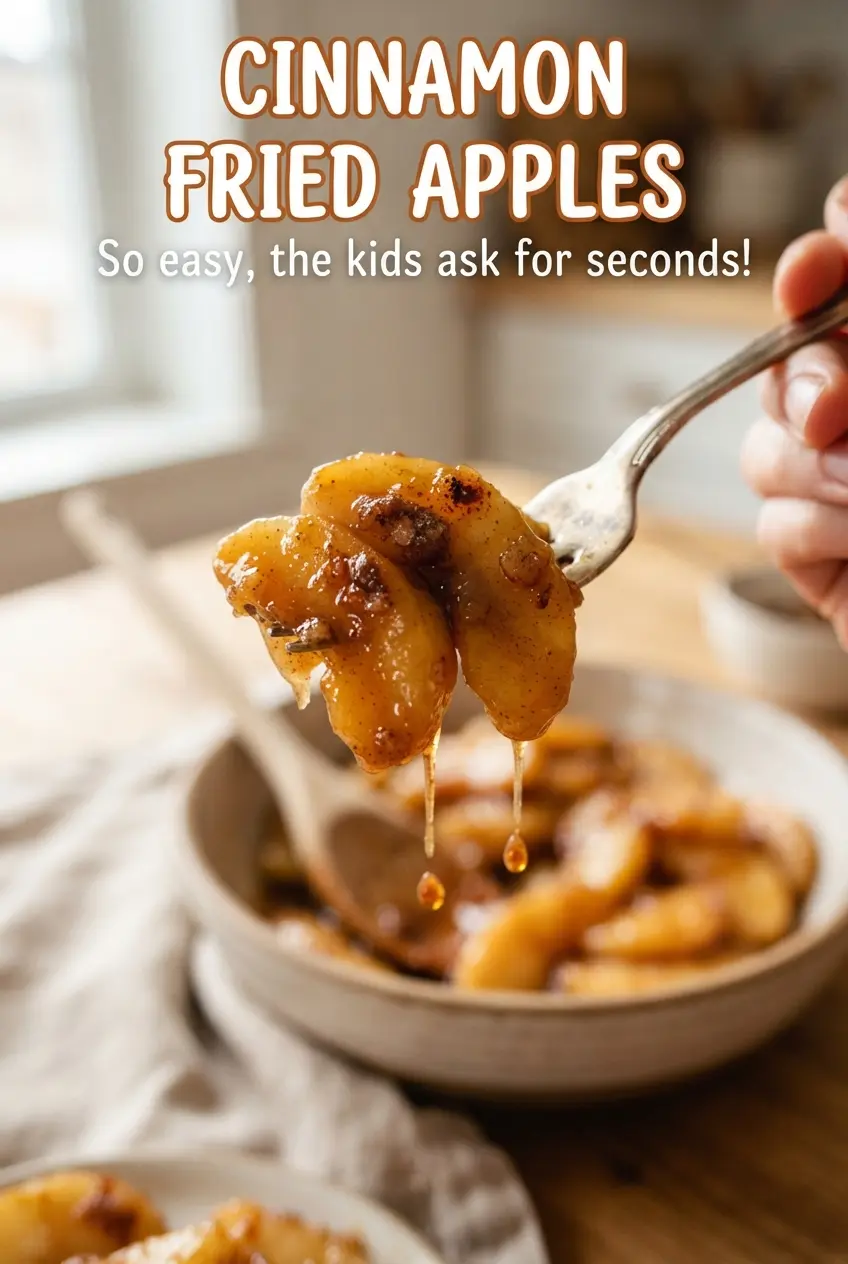
Cinnamon Fried Apples
Ingredients
Equipment
Method
- Melt butter in a large cast iron skillet over medium heat. Watch for the butter to fully melt and begin to shimmer.
- Add apples, brown sugar, cinnamon, nutmeg, and salt, then stir to coat. Ensure the slices are evenly covered with the spiced sugar mixture.
- Cover and cook 8-10 minutes over medium heat, stirring occasionally, until apples are just tender. Look for slices that yield when pressed but still hold their shape.
- Whisk cornstarch with water, then pour the slurry into the skillet. Make sure it disperses through the syrup.
- Simmer 2-3 minutes, stirring, until the sauce thickens and turns glossy. You should see a smooth, lightly clingy coating on the apples.
- Stir in vanilla extract, then serve warm. The mixture should smell fragrant and look glossy in the pan.