Golden chicken strips, blistered peppers, and tender zucchini come together fast in this chicken and vegetables skillet, and the payoff is bigger than the time it takes. The chicken gets a deep sear first, then the vegetables cook in the same pan until the edges pick up a little char and the onions turn sweet. What you end up with is a weeknight dinner that tastes like you paid attention, even though it lands on the table in under an hour.
The reason this version works is simple: the pan stays hot, the chicken comes out before the vegetables go in, and the broth loosens all those browned bits instead of washing them away. A small knob of butter at the end rounds out the garlic and paprika without turning the sauce heavy. Lemon and parsley at the finish keep the whole dish bright, which matters when you’re working with seared chicken and sweet, cooked-down vegetables.
Below, I’ll walk through the one pan technique that keeps the chicken juicy and the vegetables from going soft too soon, plus the swaps I’d use when the fridge gives you half the ingredients you planned on.
The chicken stayed juicy and the vegetables actually got those browned edges instead of steaming. I loved how the broth picked up all the flavor from the pan and the lemon at the end kept it from feeling heavy.
Save this chicken and vegetables skillet for nights when you want juicy seared chicken, blistered vegetables, and a quick garlic butter pan sauce in one pan.
The Pan Has to Stay Hot, or the Vegetables Will Steam
The biggest mistake in a skillet like this is crowding the pan and then wondering why the vegetables turn soft instead of getting color. High heat matters here. The chicken needs enough space to sear, and the peppers, zucchini, and onion need direct contact with the pan so their moisture cooks off fast.
That’s why the chicken comes out first. If it stays in while the vegetables cook, it can overcook before the pan sauce is done, and the vegetables tend to release too much liquid. Pulling the chicken aside gives you control over both parts of the dish, and the finished texture stays balanced: browned, juicy, and not watery.
- Chicken breasts — Cutting them into strips helps them cook quickly and evenly. If you leave the pieces thick, the outside will overcook before the center reaches 165°F.
- Bell peppers, zucchini, and red onion — These hold up well to high heat and give you color and contrast. Zucchini cooks fast, so slice it into half-moons and don’t cut them too thin or they’ll collapse.
- Chicken broth — This is what turns the browned bits into sauce. Water will work in a pinch, but broth gives the dish a deeper savory base.
- Butter — Added at the end, it softens the edge of the garlic and paprika without making the skillet greasy. You can use a little more olive oil instead, but the finish won’t be as round.
Building the Sear, Then Letting the Sauce Finish the Job
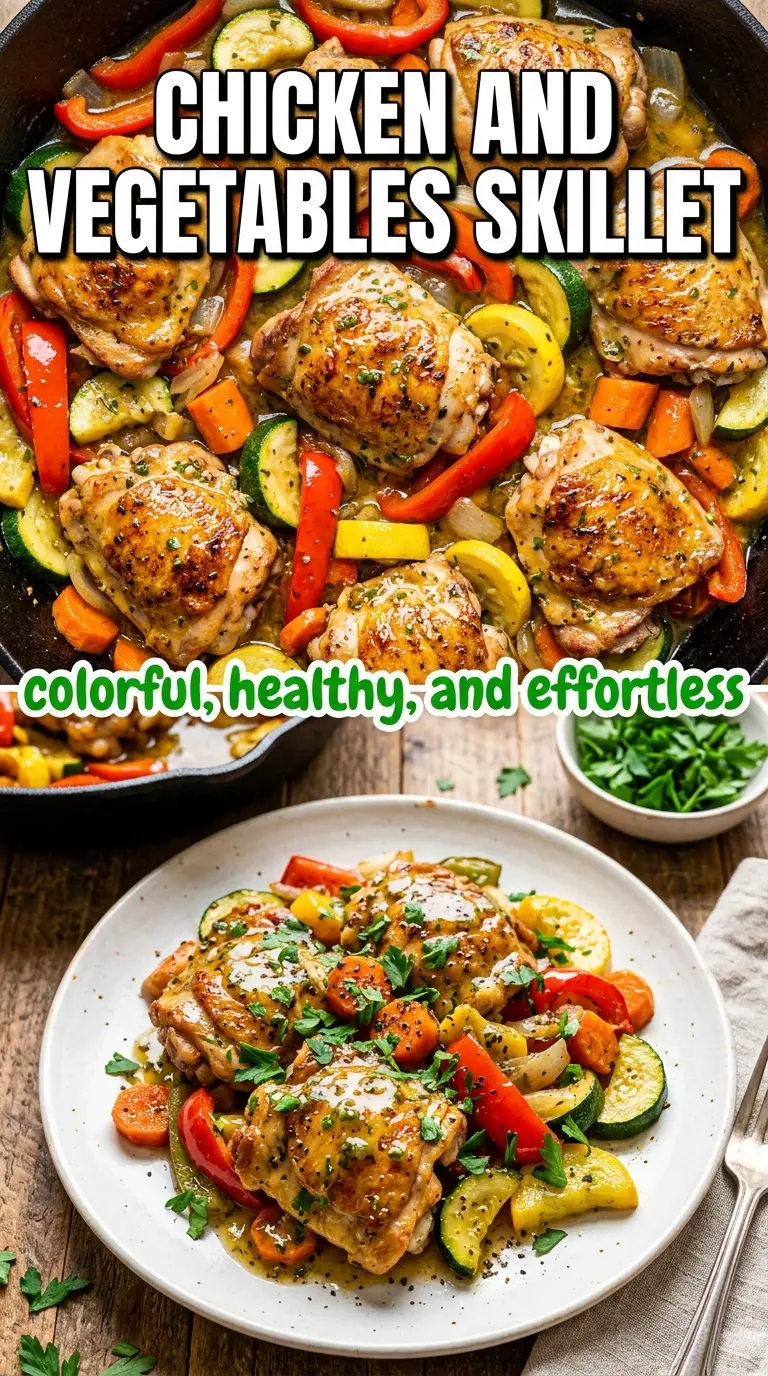
The order here matters. Season the chicken first so the spices cling, then sear it in a hot skillet until it’s deeply golden on the outside and just cooked through. Don’t keep moving it around. Let it sit long enough to form color, because that browning is the backbone of the whole pan.
Once the chicken comes out, the vegetables go into the same skillet. The pan will look crowded at first, but that’s fine as long as the heat stays up and you stir only enough to keep things from burning. When the garlic goes in, it needs only a minute; any longer and it can turn sharp and bitter. The broth should sizzle as it hits the pan, lifting up the browned bits so the final toss tastes like the whole dish was built from the start.
Seasoning the Chicken
Coat the chicken strips evenly with Italian seasoning, smoked paprika, salt, and pepper before they hit the skillet. That first layer of seasoning helps the surface brown and keeps the chicken from tasting flat once the vegetables and broth go in. If the chicken is wet, pat it dry first or the pan will spit and the meat will steam before it sears.
Getting the Chicken Color
Heat the olive oil until it shimmers, then add the chicken in a single layer. Let it cook undisturbed for 4 to 5 minutes, until the first side is deeply golden and the pieces release from the pan without sticking. If they’re pale and stubborn, they’re not ready to turn yet.
Blistering the Vegetables
Add the peppers, zucchini, and onion to the same pan and cook over high heat until the edges char in spots and the onion softens. Stir enough to keep the garlic from burning, but don’t baby the vegetables or they’ll go limp. You want some browned edges and a little bite left in the zucchini.
Finishing With Broth and Butter
Pour in the chicken broth and scrape the bottom of the skillet right away. That’s where the flavor lives. Add the butter once the liquid settles, then return the chicken and toss everything until it’s glossy and coated. The sauce should cling lightly, not pool at the bottom.
How to Change This Skillet Without Losing the Good Part
Make It Dairy-Free
Leave out the butter and finish with an extra teaspoon of olive oil instead. You’ll lose a little of the sauce’s roundness, but the skillet still tastes bright and savory once the broth and lemon are in place.
Use Chicken Thighs Instead
Boneless skinless thighs bring more richness and stay juicy even if they cook a minute longer. Cut them into even strips and watch the pan closely, since they’ll render a little more fat and brown faster than breasts.
Make It Lower-Carb
This dish is already naturally low in carbs, so the main adjustment is in the vegetables you choose. If you swap in mushrooms, broccoli, or cauliflower, cut them small enough that they cook through in the same amount of time as the peppers.
Stretch It for More Servings
Add an extra bell pepper or a handful of sliced mushrooms if you want the skillet to feed more people without feeling light. Keep the chicken in roughly the same amount so the protein stays the star and the pan doesn’t get overloaded.
Storage and Reheating
- Refrigerator: Store leftovers in an airtight container for up to 4 days. The vegetables soften a bit, but the flavor holds well.
- Freezer: This freezes, but the zucchini gets softer after thawing. Freeze in portions for up to 2 months if texture matters less than convenience.
- Reheating: Warm it in a skillet over medium-low heat with a splash of broth. The biggest mistake is blasting it in the microwave, which pushes the chicken past juicy and makes the vegetables limp.
Answers to the Questions Worth Asking
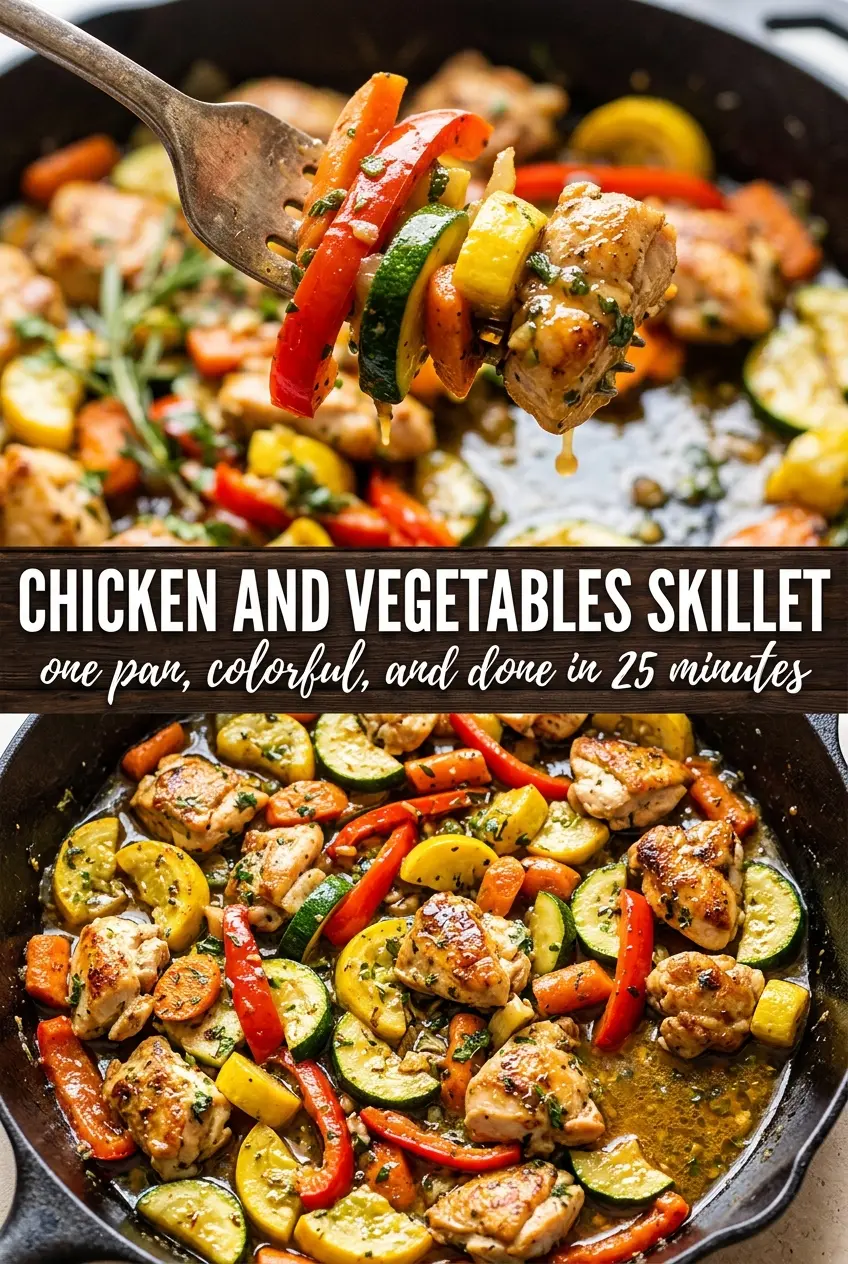
Chicken and Vegetables Skillet
Ingredients
Equipment
Method
- Season chicken strips with Italian seasoning, smoked paprika, salt, and pepper.
- Heat olive oil in a large cast iron skillet over high heat; sear chicken for 4-5 minutes until golden and cooked through to 165°F, then remove.
- Add bell peppers, zucchini, and red onion to the same skillet and cook over high heat for 5-6 minutes until blistered and slightly charred.
- Add garlic and cook for 1 minute, then pour in chicken broth and deglaze, scraping up browned bits.
- Return chicken to the pan, add butter, and toss everything until coated and glossy.
- Garnish with fresh parsley and serve with lemon wedges.