Cheesy meatball subs hit that sweet spot between messy and perfect: toasted hoagie rolls, saucy meatballs, and a thick cap of melted cheese that stretches with every bite. The best versions don’t drown the bread. They give you enough marinara to soak into the edges without turning the whole sandwich soft before it reaches the table.
This version leans on a beef-and-pork meatball for a juicy center and a little extra richness, then finishes the whole thing under the broiler so the mozzarella melts fast while the provolone browns on top. Browning the meatballs first matters, because it builds flavor in the pan and keeps them from tasting steamed. The marinara simmers right there with the meatballs, which saves dishes and gives the sauce a deeper, meaty taste.
Below, I’ll walk through the small details that keep the subs sturdy, the cheese bubbly, and the meatballs tender instead of tight. If you’ve ever had a meatball sub fall apart halfway through, the fix is in here.
The meatballs stayed tender after simmering, and the broiler gave the cheese those browned spots without making the rolls soggy. My husband kept picking up the extra sauce with the corners of the bread.
Cheesy Meatball Subs with toasted rolls, saucy meatballs, and that bubbly broiled cheese finish are worth keeping close for game day or an easy dinner.
The Mistake That Makes Meatball Subs Fall Apart
The biggest failure point in a meatball sub isn’t the cheese. It’s a wet roll with no structure left. If the bread goes straight from the package to the plate, the sauce soaks in too fast and the sandwich turns heavy before you get halfway through it. Toasting the cut sides first gives the roll a little armor, and that matters when you’re loading it with meatballs and marinara.
Browning the meatballs before they go into the sauce does two jobs at once. You get color and flavor on the outside, and the meatballs hold their shape better during the simmer. If you skip that step and drop raw meatballs into the sauce, they can work, but the texture is softer and the sauce stays flatter. This version is built for a sandwich that eats like a sandwich, not a bowl of meat sauce with bread on the side.
What Each Ingredient Is Actually Doing In This Sandwich
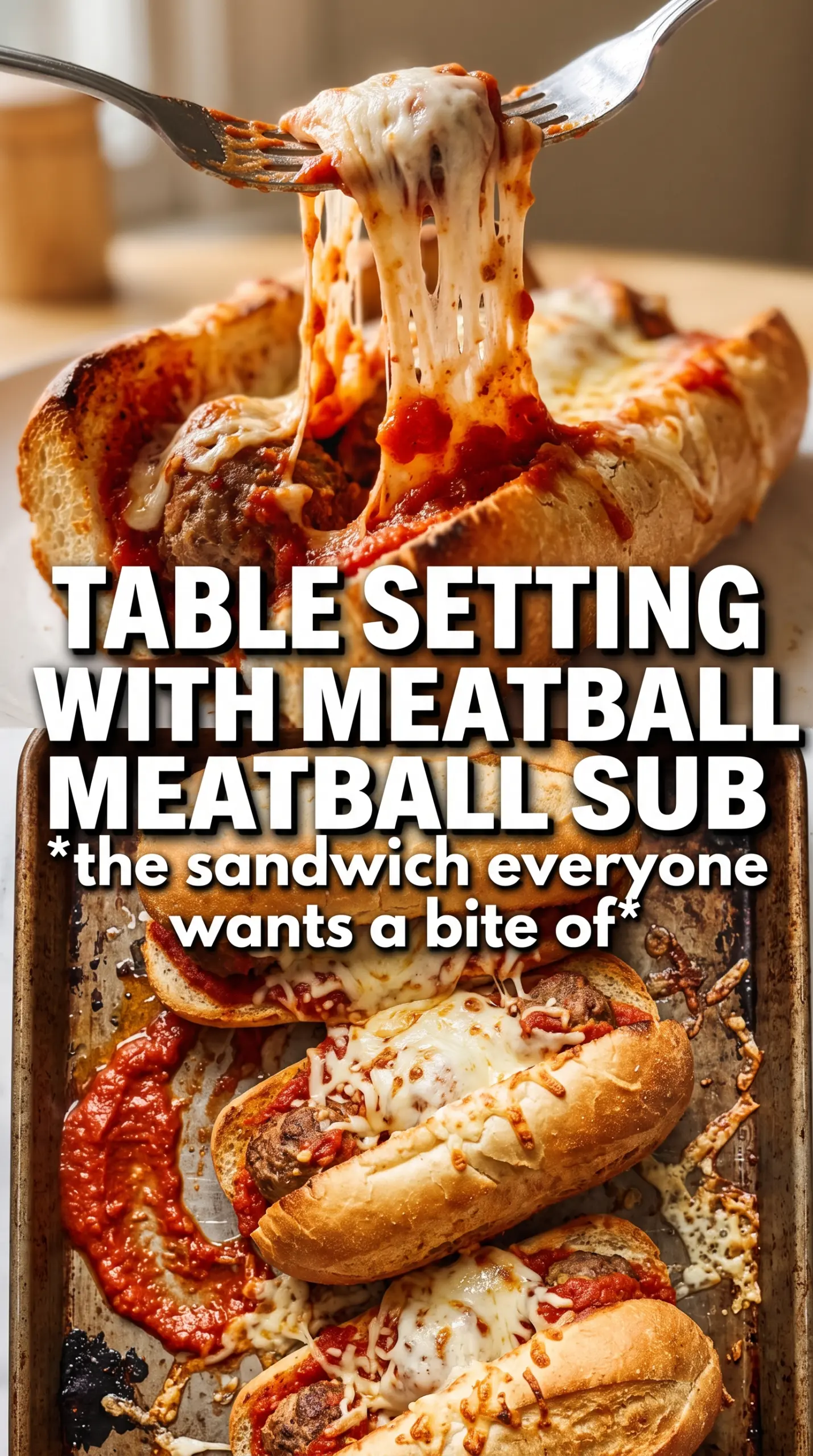
- Ground beef and pork blend — Beef brings structure, pork brings moisture and a little richness. All beef works in a pinch, but the mix gives you a more tender meatball that still holds up after simmering.
- Breadcrumbs and egg — These are the binder. Breadcrumbs keep the meatballs from turning dense, and the egg helps everything stay together when the meatballs hit the skillet and sauce.
- Parmesan — Use the real grated stuff if you can. It seasons the meatballs from the inside and adds a salty, savory edge that you won’t get from mozzarella alone.
- Marinara sauce — A good jarred marinara is fine here. Choose one that tastes balanced and not overly sweet, since it’s carrying the whole sandwich. If your sauce is thin, let it simmer uncovered a few extra minutes so it clings to the meatballs.
- Hoagie rolls — A soft roll falls apart. Pick one with enough chew to stand up to the filling, and split it without cutting all the way through if you want a cleaner, easier-to-eat sandwich.
- Mozzarella and provolone — Mozzarella gives the stretch, provolone gives the browning and deeper flavor. Together they melt into a blanket instead of a greasy puddle.
- Fresh basil — Don’t skip this if you have it. It cuts through the richness and makes the whole sandwich taste finished instead of just heavy.
How to Keep the Meatballs Tender and the Cheese Broiled Just Right
Mixing the meatballs without overworking them
Combine the meatball ingredients until they just come together. The mixture should feel cohesive but still a little soft. If you knead it like bread dough, the meatballs turn firm and bouncy instead of tender. Roll them into 2-inch balls with damp hands so they stay smooth without sticking to your palms.
Browning before the simmer
Use an oven-safe skillet and brown the meatballs in olive oil over medium heat, turning them enough to get color on several sides. You’re not cooking them through here. You’re building a crust that holds shape and adds flavor to the sauce. Drain off excess fat before adding the marinara so the final sauce doesn’t taste greasy.
Simmering in the sauce
Once the marinara goes in, keep the heat at a gentle simmer and cover the skillet partially if the sauce starts splattering. Fifteen minutes is usually enough for the meatballs to finish cooking, but the real cue is firmness: they should feel set when pressed and the sauce should thicken slightly around them. If the sauce boils hard, the meatballs can toughen and the outside of the sauce can reduce too fast.
Finishing under the broiler
Toast the split rolls cut-side up before filling them. That step gives you a drier surface so the bread doesn’t collapse. Fill with meatballs and sauce, pile on the cheeses, and broil just until the cheese bubbles and picks up browned spots at the edges. Stay close to the oven; broilers go from perfect to scorched in a minute.
Three Ways to Make These Subs Fit Your Kitchen
Gluten-Free Version
Swap the breadcrumbs for gluten-free breadcrumbs and serve the meatballs in sturdy gluten-free rolls. The texture stays close to the original as long as the breadcrumb substitute is fine and not overly coarse. Check your marinara label too, since some jars sneak in gluten-based additives.
Dairy-Free Adjustment
Leave out the parmesan in the meatballs and top the subs with a dairy-free mozzarella-style shred that melts well. You’ll lose some of the salty depth, so season the meat mixture a little more boldly with salt and Italian seasoning. The finished sandwich will still work, but it won’t have the same browned, stretchy cheese pull.
Make It Ahead for Faster Assembly
Cook the meatballs and sauce up to two days ahead, then rewarm them gently before assembling the subs. This actually improves the flavor because the sauce has time to settle into the meatballs. Don’t broil the sandwiches until the last minute, or the rolls lose their crisp edge before they hit the table.
Storage and Reheating
- Refrigerator: Store the meatballs and sauce separately from the rolls for up to 4 days. The rolls stay much better that way.
- Freezer: The meatballs and sauce freeze well for up to 3 months. Freeze them together or separately in airtight containers, then thaw overnight in the fridge.
- Reheating: Warm the meatballs and sauce on the stove over low heat until hot, then assemble on fresh rolls and broil. If you microwave the assembled sandwich, the bread goes soft fast and the cheese melts unevenly.
Answers to the Questions Worth Asking
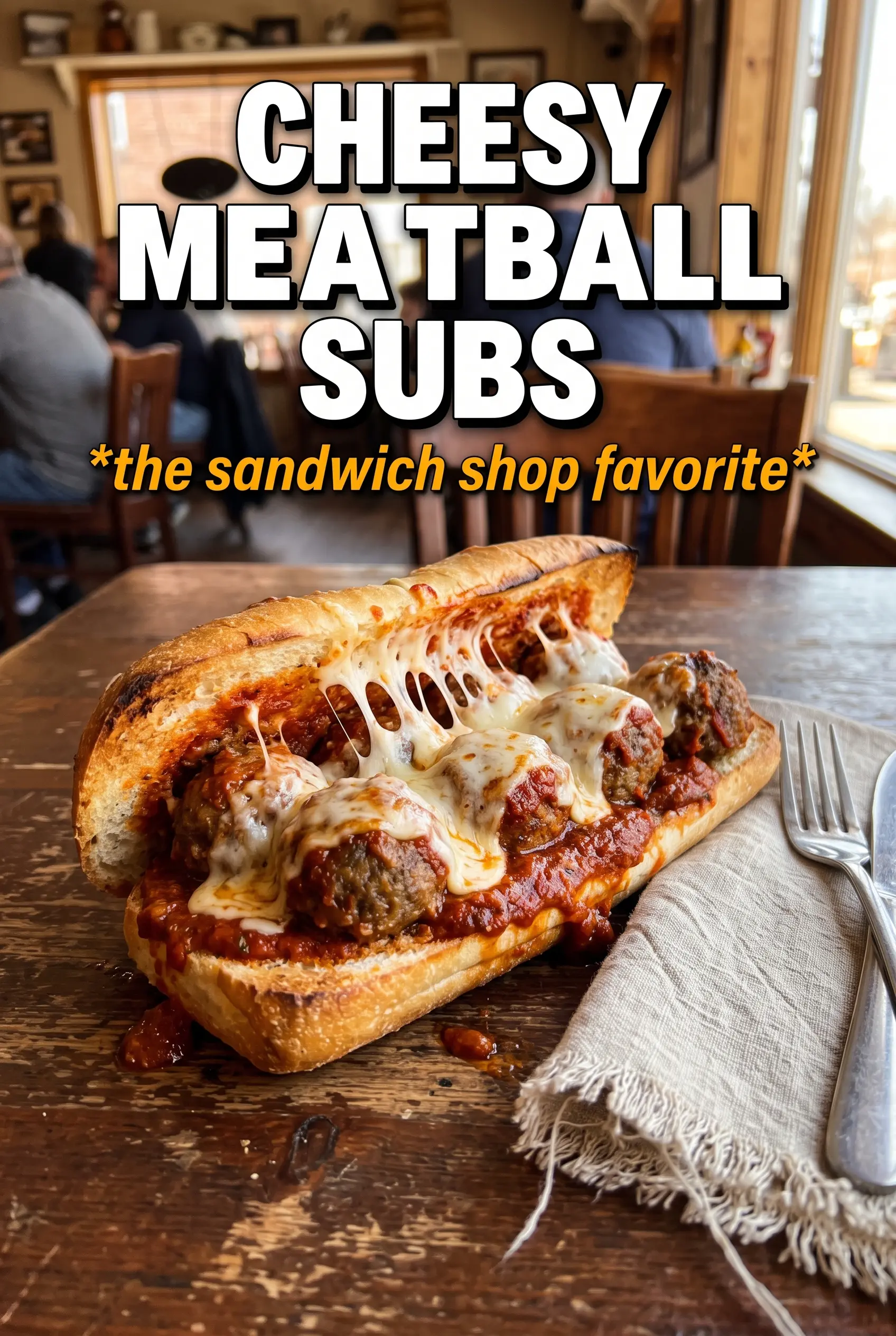
Cheesy Meatball Subs
Ingredients
Equipment
Method
- In a bowl, mix together ground beef and pork blend, breadcrumbs, parmesan, egg, minced garlic, fresh parsley, Italian seasoning, salt, and pepper until evenly combined.
- Roll the mixture into 2-inch meatballs and place them on a plate while you prep the skillet.
- Heat olive oil in an oven-safe skillet over medium-high heat, then brown the meatballs until browned on the outside.
- Drain off excess fat from the skillet after browning.
- Add marinara sauce to the skillet, bring to a simmer, then cook for 15 minutes until the meatballs are cooked through and the sauce is bubbling.
- Preheat the broiler and split hoagie rolls, then toast them cut-side up until lightly golden.
- Fill each roll with meatballs and marinara, then pile shredded mozzarella and provolone on top.
- Broil for 3-5 minutes until the cheese is bubbly and golden.
- Top the hot subs with fresh basil and serve immediately.