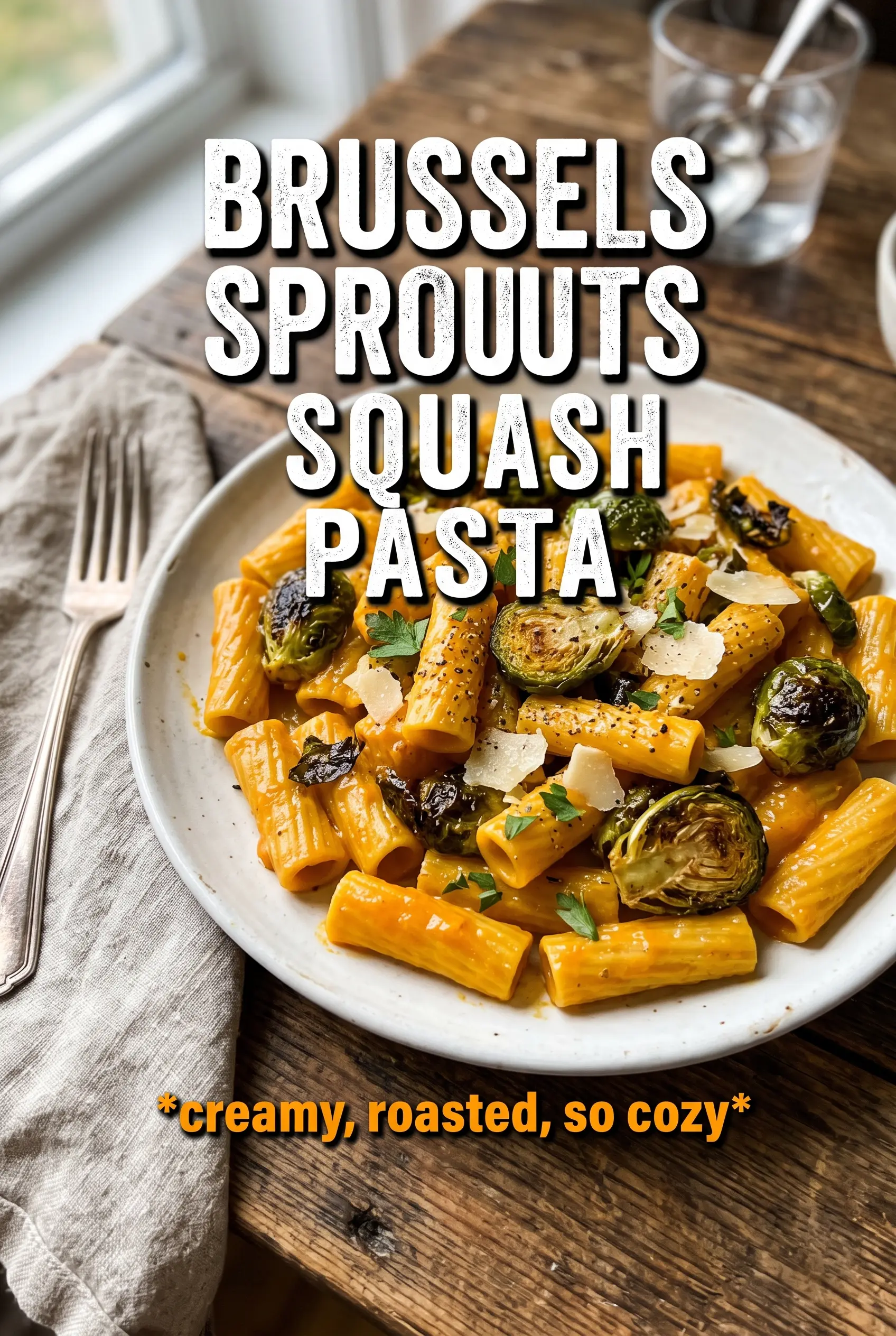
Roasted Brussels sprouts and butternut squash turn this pasta into something that eats like a full dinner, not just a bowl of noodles with vegetables scattered on top. The edges of the sprouts get crisp and deeply savory, the squash goes soft and caramelized, and the brown butter ties everything together with a nutty, almost toasty richness that clings to every ridge of rigatoni.
The trick is giving the vegetables enough space to roast instead of steam and using pasta water to loosen the brown butter just enough to coat the noodles. Sage wakes up in the hot fat, garlic softens the edges, and parmesan melts into the sauce without turning it heavy. That balance is what keeps this dish from feeling flat or greasy.
Below you’ll find the small details that matter most, from how to brown the butter without crossing into burnt, to the best way to keep the vegetables caramelized while you finish the pasta.
The Brussels came out crisp around the edges and the squash held its shape instead of turning mushy. The brown butter with sage made the whole bowl taste layered, and the hazelnuts gave it the best finish.
Like this Brussels sprouts and butternut squash pasta? Save it to Pinterest for the nights when you want roasted vegetables, brown butter, and parmesan in one bowl.
The Reason Roasting Everything Together Fails Here
The mistake with vegetable pastas like this is assuming everything can roast the same way, on the same pan, for the same amount of time. Brussels sprouts and butternut squash behave differently. Sprouts like dry heat and a little space so the cut sides can brown deeply, while squash can go from caramelized to soft if you crowd it or overdo the oil.
Separating them into their own pans gives each vegetable what it wants. You get browned edges instead of pale, steamed pieces, and the pasta ends up with texture in every bite instead of a single soft note. That contrast is what makes the dish feel finished.
What Each Ingredient Is Actually Doing In This Dish
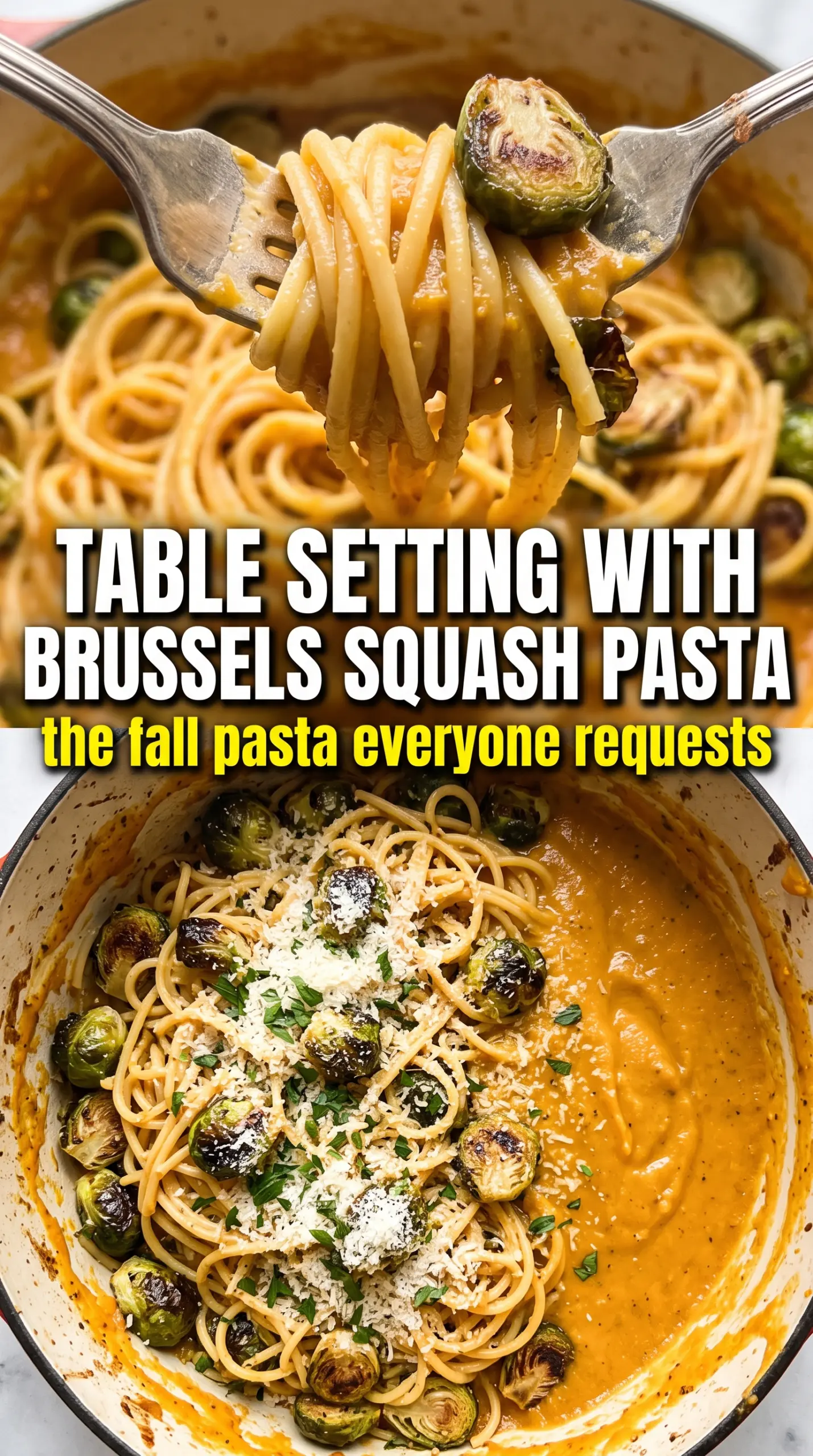
- Rigatoni or penne — A tubular pasta catches the brown butter, parmesan, and little bits of garlic better than long noodles do. Use a sturdy shape here so the roasted vegetables don’t slide off the plate.
- Butternut squash — This brings sweetness and a soft, creamy bite after roasting. Pre-cut squash is fine if the cubes are fairly even; uneven pieces will roast at different speeds, and the smaller ones can dry out before the larger ones are tender.
- Brussels sprouts — Halving them exposes the cut side so it can caramelize. If the outer leaves fall off in the pan, keep them; they crisp up like little chips and add texture.
- Butter — This is the backbone of the sauce. Browning it adds depth you can’t get from plain melted butter, but it needs attention the whole time because it can go from nutty to burned fast once the milk solids turn deep amber.
- Sage and garlic — Sage perfumes the butter, and garlic rounds out the savory side. Add them after the butter starts to brown so they don’t scorch before the sauce is built.
- Parmesan — Use the real grated cheese if you can. The pre-grated kind often doesn’t melt as smoothly, and that can leave the sauce grainy instead of silky.
- Hazelnuts or walnuts — The nuts are there for crunch and a toasted finish. Hazelnuts taste especially good with brown butter, but walnuts work well if that’s what you have.
- Pasta water — This is what turns browned butter and cheese into a clingy sauce. The starch helps everything emulsify, so don’t skip the reserve before you drain the pasta.
Building the Brown Butter Sauce Without Breaking It
Roasting the vegetables to the right edge
Spread the Brussels sprouts and squash out in a single layer and roast them at 425F until the edges are browned and the centers are tender when pierced with a fork. If the pan is crowded, they’ll steam and stay soft on the outside instead of caramelizing. The sprouts should look deeply colored on the cut side, and the squash should be golden with a few browned spots, not collapsed.
Cooking the pasta for a sauce, not just a side
Boil the rigatoni or penne until just al dente, then pull out at least 1/2 cup of pasta water before draining. You want the pasta with a little bite because it will finish in the sauce. If you cook it all the way through in the pot, it can go mushy once it absorbs the butter and cheese.
Brown butter, then stop at the right moment
Melt the butter over medium heat and keep it moving until the foam settles and the milk solids at the bottom turn golden and smell nutty. Add the garlic and sage once the butter is already browned, then stir just until fragrant. If the garlic browns before the butter is ready, the whole sauce turns bitter, so lower the heat the second you smell anything sharp.
Bringing everything together
Add the drained pasta to the pan with the brown butter and splash in pasta water a little at a time until the sauce looks glossy and coats the noodles. Fold in the roasted vegetables and parmesan off the heat so the cheese melts smoothly. If the sauce gets tight, another spoonful of pasta water loosens it right back up without thinning the flavor.
Three Ways To Change The Bowl Without Losing The Point
Make It Dairy-Free
Use a good plant-based butter that browns well, then finish with nutritional yeast or a dairy-free parmesan-style topping. You won’t get the exact same richness, but you’ll still get the nutty garlic-sage base and the roasted vegetable contrast that makes the dish work.
Swap the Nuts for Seeds
If you’re out of hazelnuts or walnuts, toasted pumpkin seeds bring a similar crunch and keep the topping crisp. They don’t add the same buttery sweetness, but they still give you that final salty bite against the soft squash.
Gluten-Free Pasta That Holds Up
Use a sturdy gluten-free rigatoni or penne made from brown rice or a lentil blend. Cook it just to al dente and toss it gently, because gluten-free pasta can break apart if you stir it too aggressively once it hits the hot sauce.
Add More Protein Without Changing the Sauce
Stir in chickpeas with the roasted vegetables or top the finished pasta with seared chicken sausage. Both options fit the brown butter sauce without watering it down, and the chickpeas in particular keep the dish firmly in weeknight dinner territory.
Storage and Reheating
- Refrigerator: Store leftovers in an airtight container for up to 4 days. The pasta will absorb some of the sauce as it sits, so it gets a little tighter by day two.
- Freezer: Freezing is possible, but the roasted vegetables soften more after thawing and the parmesan sauce loses some of its texture. If you do freeze it, cool it completely first and freeze in a flat layer for easier reheating.
- Reheating: Warm it in a skillet over low heat with a splash of water or broth, stirring until the sauce loosens again. The biggest mistake is blasting it in the microwave without any added liquid, which dries out the pasta and makes the cheese cling in clumps.