Deeply golden banana bread with a tender, moist crumb and a caramelized top is the kind of loaf that disappears one thick slice at a time. The best version doesn’t taste like sweetened cake wearing a banana costume. It tastes like real banana, warm cinnamon, and butter, with a crumb that stays soft for days.
What makes this loaf work is the balance: enough ripe banana for flavor and moisture, but not so much that the center turns gummy. Melted butter keeps the batter simple and gives the bread a richer crumb than oil alone, while baking soda lifts the loaf and helps the top brown properly. The cinnamon is subtle, not loud, just enough to round out the banana without taking over.
Below, I’ve included the one detail that keeps the crumb from collapsing, plus a few smart swaps if your bananas are extra large or you want to make this into muffins instead.
The loaf came out with a crackly top and stayed moist for three days. I followed the cooling time exactly and it sliced cleanly instead of turning gummy in the middle.
Save this moist banana bread loaf for the days when those ripe bananas on the counter are just begging to be baked.
The Reason Banana Bread Gets Gummy in the Middle
Banana bread usually goes wrong in one of two ways: the center stays underbaked, or it turns dense and wet because the batter was overloaded with banana. This loaf avoids both by using enough mashed banana for real flavor without turning the batter into puree. The flour is folded in only until the dry streaks disappear, because overmixing builds structure where you don’t want it and can make the crumb tough.
The other trap is pulling it too early. The top can look deeply browned before the center is finished, especially with banana batter that carries a lot of moisture. A clean toothpick matters, but so does the smell and look of the loaf — it should be puffed, crackled on top, and just starting to pull slightly from the sides of the pan.
What Each Ingredient Is Actually Doing in This Loaf
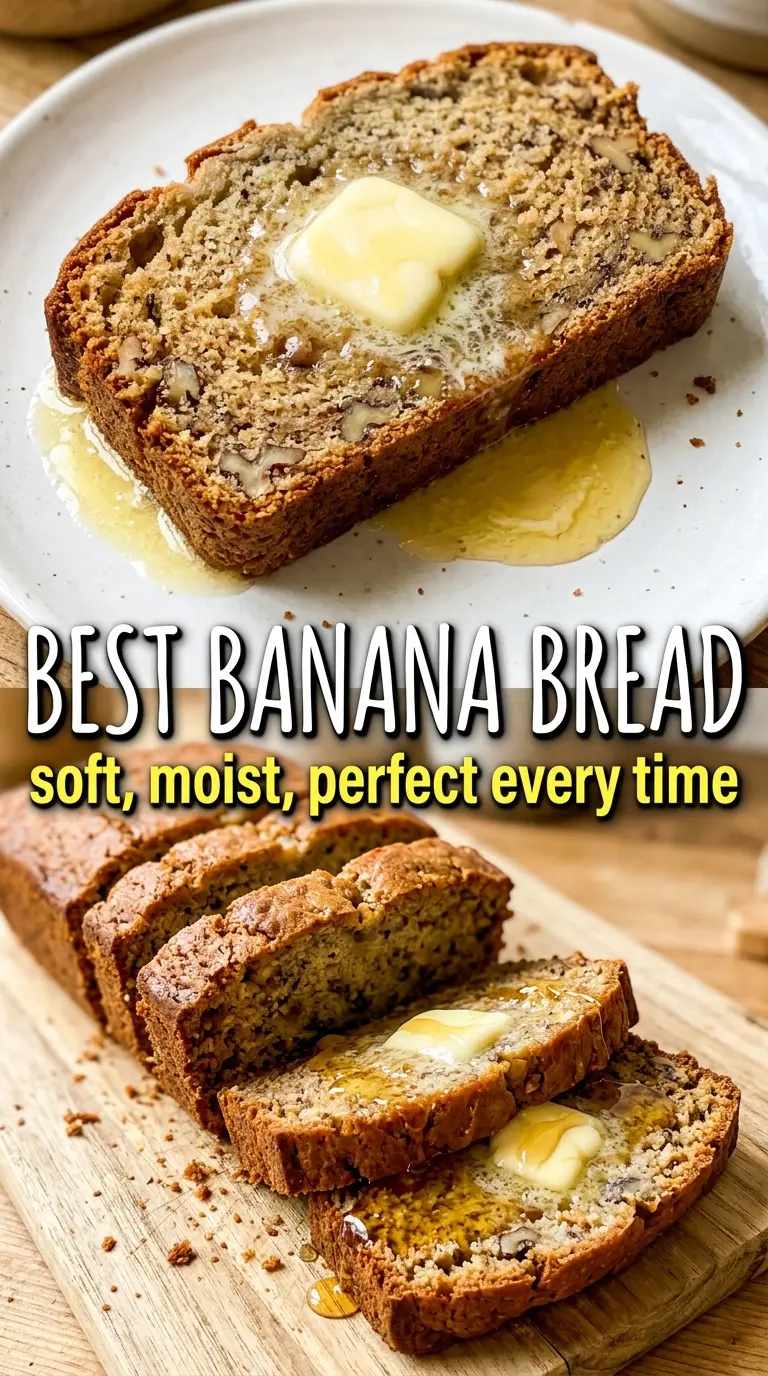
- Very ripe bananas — The darker and softer they are, the better the flavor and the sweeter the loaf. You want bananas with plenty of brown spotting or even fully black skins. If yours are only barely ripe, the bread will taste flatter and less aromatic.
- Melted butter — This gives the loaf a richer, more tender crumb than neutral oil and makes the batter easy to mix in one bowl. Use unsalted butter so the salt level stays under control. If you swap in oil, the bread will still be moist, but it won’t have the same buttery finish.
- Sugar — It sweetens the bread, but it also helps with browning and keeps the crumb soft. If your bananas are extremely ripe, you can reduce it a little, but don’t cut it too far or the loaf will bake up drier and less golden.
- Egg — The egg binds everything together and gives the loaf enough structure to slice cleanly once cooled. A flax egg can work in a pinch, but the texture will be more delicate and a little less cohesive.
- All-purpose flour — This is the backbone of the loaf. Spoon and level it instead of packing it into the cup, because too much flour is one of the fastest ways to end up with dry banana bread.
- Baking soda — This reacts with the banana and helps the loaf rise with a tender, open crumb. If your baking soda is old, the loaf will bake up flatter and heavier.
- Cinnamon — It adds warmth without making the bread taste spiced. You can leave it out, but the loaf loses some of that classic bakery-style depth.
Mixing the Batter Without Beating the Moisture Out of It
Mash and Combine the Wet Ingredients
Start by mashing the bananas until mostly smooth, but don’t chase every lump. A few small banana pieces melt into the loaf as it bakes and give you that soft, speckled crumb. Whisk the melted butter straight into the bananas while it’s still warm, then add the sugar, egg, and vanilla. If the butter is piping hot, it can start cooking the egg, so let it cool for a minute after melting.
Fold in the Dry Ingredients
Sprinkle the flour, baking soda, salt, and cinnamon over the top, then fold gently with a spatula. Stop as soon as no dry flour is visible. If you stir hard at this point, the loaf will bake up tighter and less tender, and the top can lose that soft crackle that makes banana bread so good.
Bake Until the Center Is Set
Pour the batter into a greased 9×5 loaf pan and bake at 350°F until the top is deeply golden and a toothpick comes out clean, usually 60 to 70 minutes. If the top browns before the center finishes, lay a loose piece of foil over the loaf for the last 10 to 15 minutes. The loaf is done when the center springs back lightly and the edges pull away just a bit from the pan.
Cool Before You Slice
Let the bread rest in the pan for 10 minutes, then turn it onto a rack. This part matters more than people think. If you cut into it right away, the steam trapped inside will make the crumb collapse and look gummy even when it’s baked through. Wait until it’s slightly cooled and the slices hold their shape.
How to Adapt This Banana Bread When You Want a Different Finish
Chocolate Chip Banana Bread
Fold in 3/4 cup chocolate chips with the dry ingredients for a sweeter, dessert-leaning loaf. The chips add pockets of richness and help hide any slightly overbaked edges, but they also make slicing a little messier when the bread is warm.
Walnut Banana Bread
Add 1/2 cup chopped walnuts for crunch and a little bitterness against the sweet banana. Toast them first if you want deeper flavor. This version slices neatly and has more texture, which is especially good if you like a less cakey crumb.
Gluten-Free Banana Bread
Use a 1:1 gluten-free baking flour that includes xanthan gum. The loaf will be a little more delicate when warm, so give it extra time to cool before slicing. The flavor stays classic, but the crumb will be slightly more tender and less chewy.
Mini Loaves or Muffins
Divide the batter into mini loaf pans or a muffin tin for faster baking and easier freezing. Muffins usually take about 18 to 22 minutes, while mini loaves need less time than the full-size version. Watch the tops closely because banana batter can go from underdone to overbaked fast in smaller pans.
Storage and Reheating
- Refrigerator: Keep the loaf wrapped tightly at room temperature for up to 3 days, or refrigerate for up to 5 days if your kitchen is warm. The crumb firms up a little in the fridge, but the flavor stays good.
- Freezer: Banana bread freezes well. Wrap slices or the whole cooled loaf in plastic, then foil, and freeze for up to 3 months.
- Reheating: Warm slices in a toaster oven or microwave just until heated through. Don’t overheat them or the crumb gets rubbery and dry. If freezing slices, thaw them first or toast them straight from frozen.
Questions I Get Asked About This Recipe
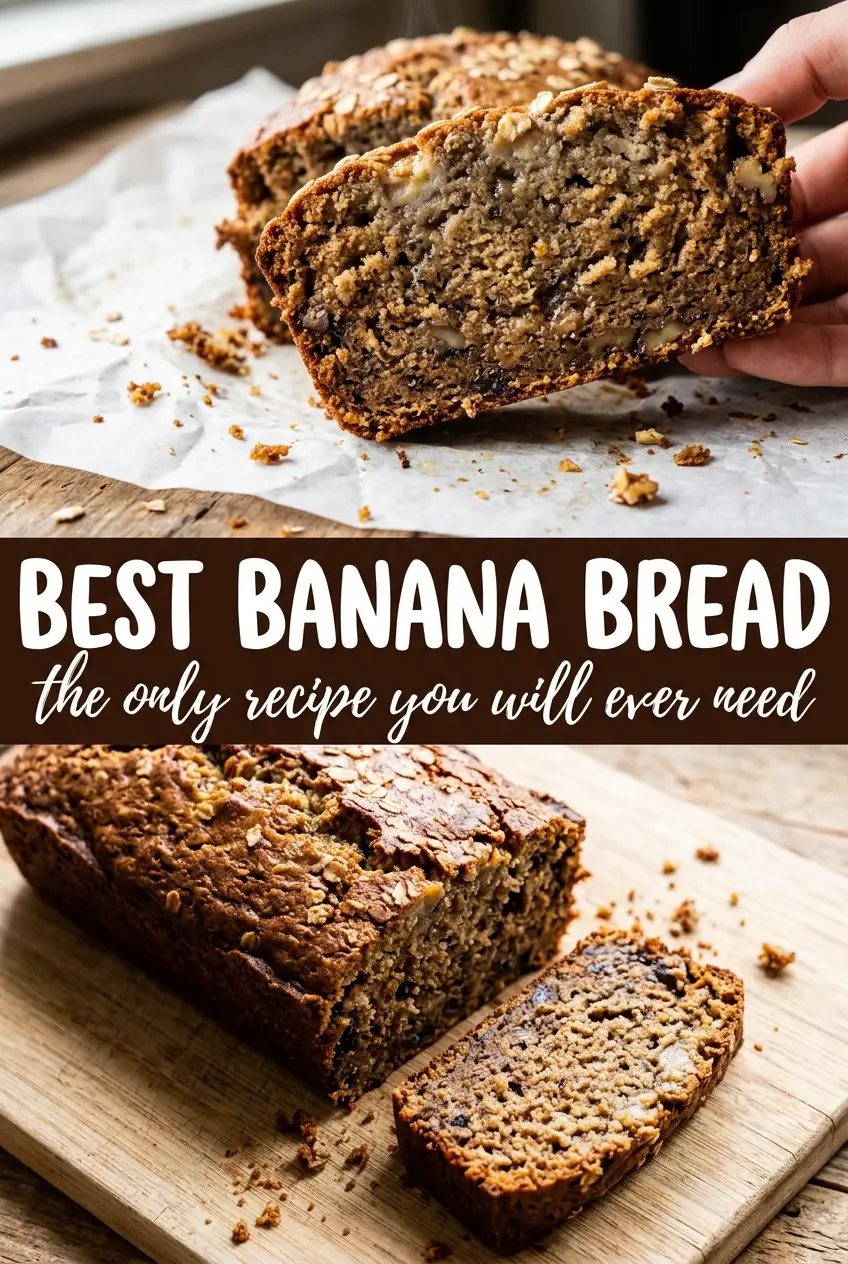
Best Banana Bread
Ingredients
Equipment
Method
- Preheat the oven to 350°F, then grease a 9x5 loaf pan and set it aside.
- Melt the unsalted butter and whisk it directly into the mashed very ripe bananas in a large bowl.
- Stir in the sugar, large egg, and vanilla extract until the mixture looks smooth and evenly combined.
- Sprinkle the all-purpose flour, baking soda, salt, and cinnamon over the banana mixture, then fold until no dry streaks remain.
- Pour the batter into the prepared 9x5 loaf pan and smooth the top so it bakes evenly.
- Bake for 60–70 minutes at 350°F until the top is deeply golden and a toothpick comes out clean.
- Cool the loaf in the pan for 10 minutes so it sets and the crumb firms up.
- Turn the loaf out onto a rack and do not slice until slightly cooled, or the crumb will fall apart.