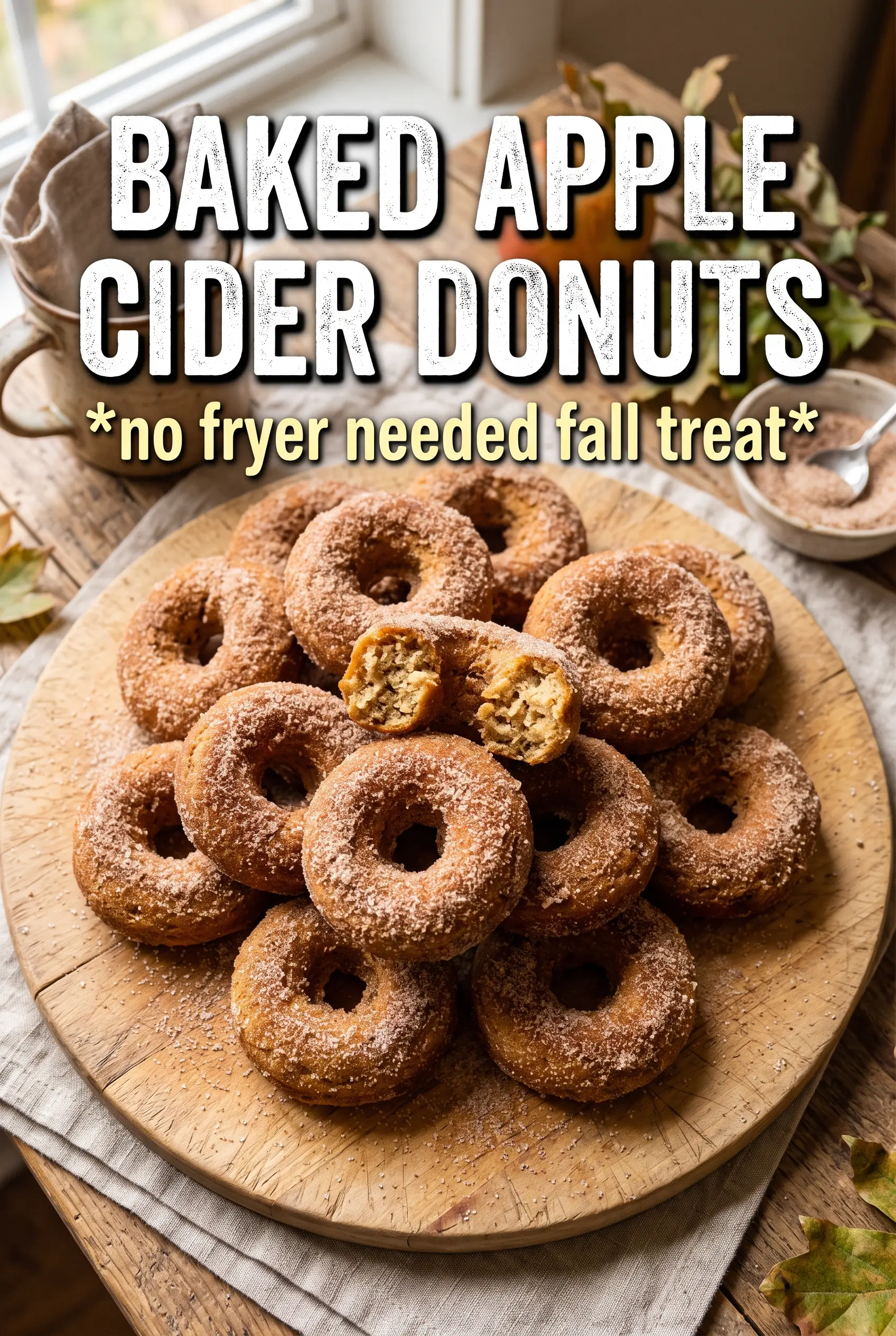
Baked apple cider donuts land with the kind of tender crumb and cinnamon-sugar finish that makes people reach for a second one before the first has cooled. The flavor is deep and apple-forward, not flat or one-note, because the cider gets reduced first. That step pulls the water out and leaves behind the part that tastes like actual apples instead of just sweet batter.
The other thing that matters here is balance. Sour cream keeps the crumb soft without making the donuts heavy, while brown sugar adds a mellow caramel note that plays nicely with the spice. These bake up fast, but they still taste like something you meant to make, not something rushed together for convenience.
Below, I’m walking through the one step that gives these donuts their big apple flavor, plus the small details that keep the crumb light and the coating clinging properly.
The cider flavor came through beautifully, and the cinnamon sugar stuck to every warm donut without making the outside soggy. I’ve tried baked versions before, but these stayed soft in the middle and browned nicely in the pan.
Save these baked apple cider donuts for the mornings when you want a soft crumb, deep cider flavor, and that buttery cinnamon-sugar coating.
The Cider Reduction Is What Keeps These Donuts Tasting Like Apples
Most baked apple cider donuts fall short because the cider gets mixed in straight from the bottle, which dilutes the batter and leaves the apple flavor faint. Reducing it down to 1/2 cup concentrates the flavor and gives the donuts a stronger, more developed taste without adding extra spice to cover for it. Let the reduced cider cool completely before you mix it in, or it can thin the eggs and sour cream and make the batter harder to judge.
The batter should be thick enough to spoon or pipe cleanly into the pan, not pour like cake batter. That thickness helps the donuts hold their ring shape and bake with a tender interior instead of spreading into flat rounds. If your donuts come out dry, they were either overbaked or the cider was reduced too far and never measured back to 1/2 cup.
What Each Ingredient Is Actually Doing in These Donuts
- Apple cider — This is the whole point of the recipe, but only after it’s reduced. Fresh cider gives a deeper, rounder apple flavor than apple juice, and reducing it concentrates the taste without making the batter watery.
- Sour cream — This keeps the donuts soft and tender. Plain Greek yogurt works in a pinch, but it brings a little more tang and a slightly firmer crumb.
- Brown sugar — This adds moisture and a caramel note that makes the spice taste fuller. Granulated sugar alone works, but the donuts will taste a little flatter.
- Melted butter — Butter adds richness in the batter and helps the cinnamon sugar stick after baking. Don’t swap in oil if you want the same buttery finish.
- Cinnamon, nutmeg, and allspice — This spice blend gives the donuts warmth without turning them into spice cake. The nutmeg and allspice matter more than they seem; they round out the apple flavor instead of overpowering it.
- The coating butter — Brush the donuts while they’re still warm so the sugar clings in a thin even layer. If they cool too much, the butter sets before the sugar can grab on.
The Mixing Stage That Keeps the Crumb Tender
Reduce the Cider First
Bring the apple cider to a simmer over medium heat and let it reduce until you have 1/2 cup. It should smell stronger and look slightly darker, but it shouldn’t turn syrupy or sticky. Cool it completely before mixing, because hot cider can start cooking the eggs and loosen the batter in a way that throws off the texture.
Build the Batter Without Overworking It
Whisk the dry ingredients in one bowl and the wet ingredients in another, then fold them together just until no dry flour streaks remain. A few small lumps are fine. If you beat the batter smooth, you’ll work too much air out of the sour cream base and the donuts will bake up tighter than they should.
Fill the Pan Cleanly
Spoon or pipe the batter into a greased donut pan, filling each cavity about three-quarters full. Piping gives you neater rings and less mess, but a spoon works if you move carefully. If you overfill the pan, the centers can close up and the donuts lose that proper ring shape.
Bake Just Until Set
Bake at 375F for 10 to 12 minutes, until the tops spring back when pressed lightly and a toothpick comes out clean. Don’t wait for deep browning or the crumb will dry out before the centers finish. These are better a little under than over, because the residual heat finishes the job as they sit in the pan for a minute.
Coat While Warm
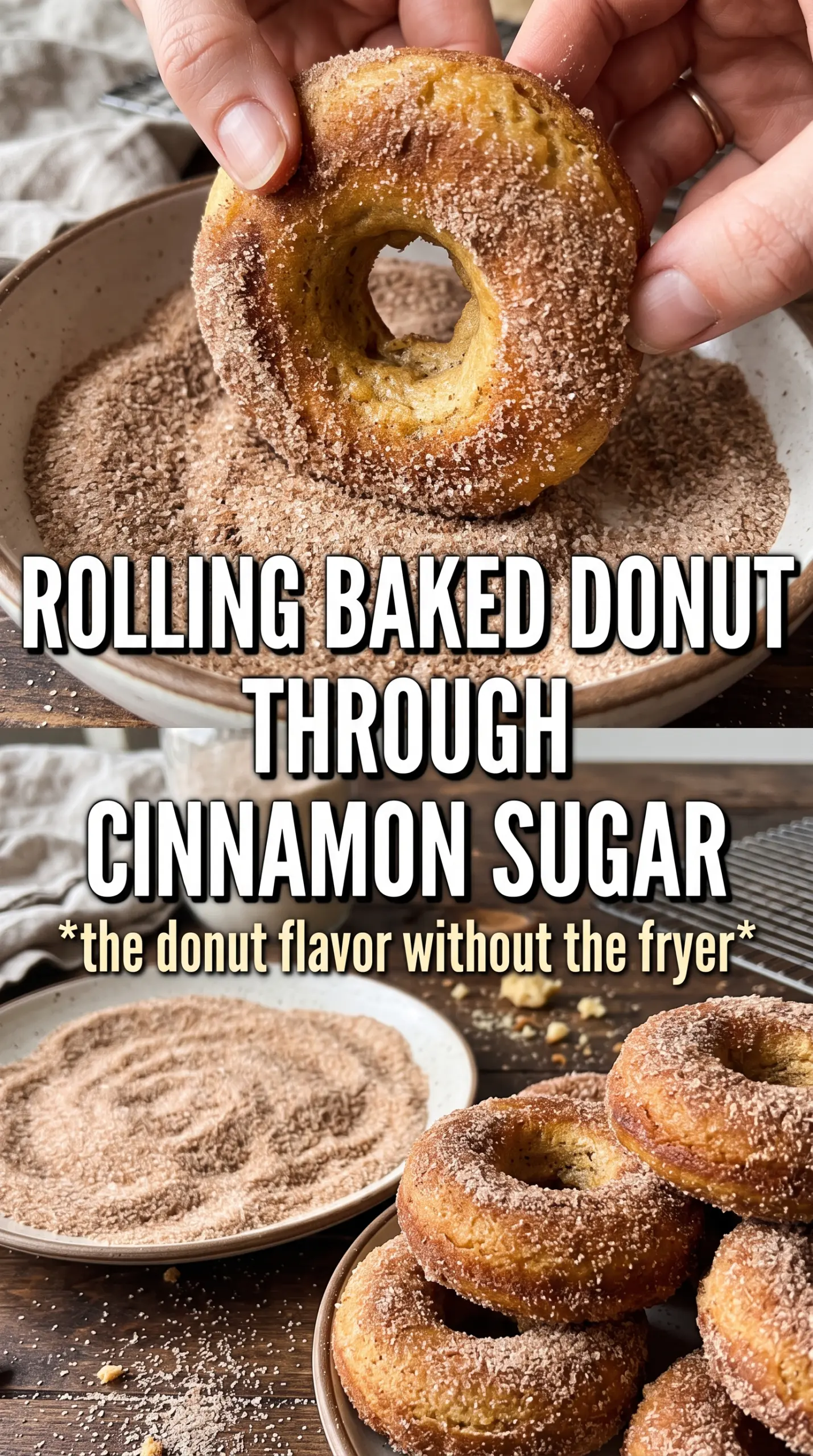
Brush each donut with melted butter as soon as it’s cool enough to handle, then roll it in the cinnamon sugar. Warm donuts take on the coating better and keep that slightly crisp sugary shell. If the donuts are cold, the butter slides off and the sugar falls in patches instead of sticking evenly.
How to Adapt These Donuts Without Losing the Good Part
Make Them Dairy-Free
Swap the sour cream for a thick dairy-free yogurt and use plant-based butter in both the batter and coating. The texture stays close, though the donuts lose a little of the rich dairy flavor that makes the original version taste so round.
Use Apple Juice in a Pinch
You can use apple juice if that’s what you have, but reduce it the same way and expect a lighter apple flavor. Juice is sweeter and less complex than cider, so the donuts will need the cinnamon-sugar coating to carry more of the flavor.
Make Them Gluten-Free
A good 1:1 gluten-free flour blend works here, especially one that already contains xanthan gum. The donuts will still be tender, but they may brown a little faster, so start checking them at the 10-minute mark.
Storage and Reheating
- Refrigerator: Store in an airtight container for up to 3 days. The sugar coating softens a little, but the crumb stays tender.
- Freezer: Freeze uncoated donuts for up to 2 months. Wrap them well, then thaw before warming and coating so the sugar doesn’t turn wet.
- Reheating: Warm in a 300F oven for 5 to 7 minutes or just until the centers are no longer cold. Don’t microwave after coating unless you want the sugar to melt and turn sticky.