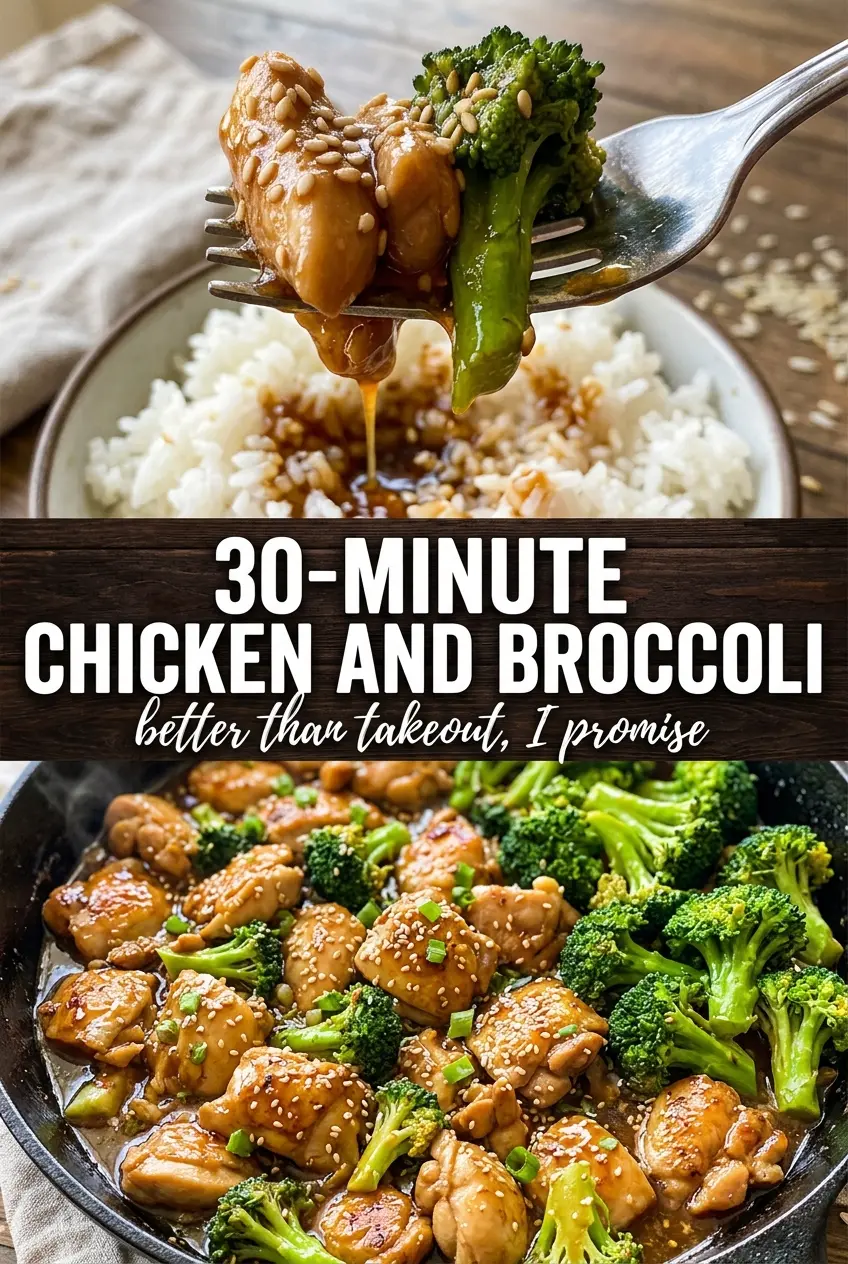
Glossy chicken and broccoli over rice is one of those dinners that disappears fast because the sauce hits every note at once: salty, a little sweet, garlicky, and thick enough to cling to each bite instead of pooling at the bottom of the bowl. The chicken stays tender, the broccoli keeps its color and bite, and the whole dish lands with the kind of takeout-style comfort people tend to ask for again the next week.
What makes this version work is the way the chicken is lightly coated in cornstarch before it hits the pan, which helps it brown and also gives the sauce something to grab onto. The sauce itself leans on soy sauce, oyster sauce, and hoisin for depth, then gets rounded out with a little brown sugar and chicken broth so it tastes balanced instead of flat or overly salty. Cooking the broccoli separately keeps it crisp and bright instead of turning it dull and soft in the sauce.
Below, I’ve included the little timing details that keep the broccoli from overcooking, plus a few swaps and storage notes for the nights when you need this to stretch a little further.
The chicken got a nice light crust from the cornstarch, and the sauce thickened up in just a minute or two without turning gummy. I added a little extra broccoli and it still coated everything perfectly.
Save this chicken and broccoli for the nights when you want glossy takeout-style sauce, crisp broccoli, and dinner on the table in 30 minutes.
The Cornstarch Coat That Keeps the Chicken Tender
The biggest mistake in chicken and broccoli is rushing straight into the sauce with plain chicken pieces. The light cornstarch coating does two jobs at once: it helps the chicken brown faster in a hot pan, and it leaves just enough starch behind to help the sauce cling instead of sliding off. That’s the difference between a pan of sauced chicken and a bowl where every bite tastes coated and glossy.
High heat matters here, but only for the chicken and broccoli. If the pan is crowded, the chicken steams and turns pale before it can color, which means less flavor in the finished dish. Work in a single layer and let the pieces sit long enough to pick up a golden edge before stirring.
- Chicken breasts — Breasts stay juicy when cut into small, even pieces and cooked quickly. Thighs work too if you want a richer result, but they’ll take an extra minute or two and the sauce will taste a little fuller.
- Cornstarch — This is doing more than thickening. It gives the chicken its light coating and helps the sauce turn silky. Flour won’t give the same glossy finish.
- Broccoli florets — Fresh broccoli holds its texture best. Frozen works in a pinch, but it releases more water, so the pan needs extra heat and a shorter cook to keep the sauce from thinning out.
- Oyster sauce and hoisin — These are what make the sauce taste rounded and takeout-like. If you skip one, the sauce loses depth; if you need a substitute, add an extra teaspoon of brown sugar plus a splash more soy sauce, but the result will taste a little flatter.
What Each Ingredient Is Actually Doing in This Chicken Recipe
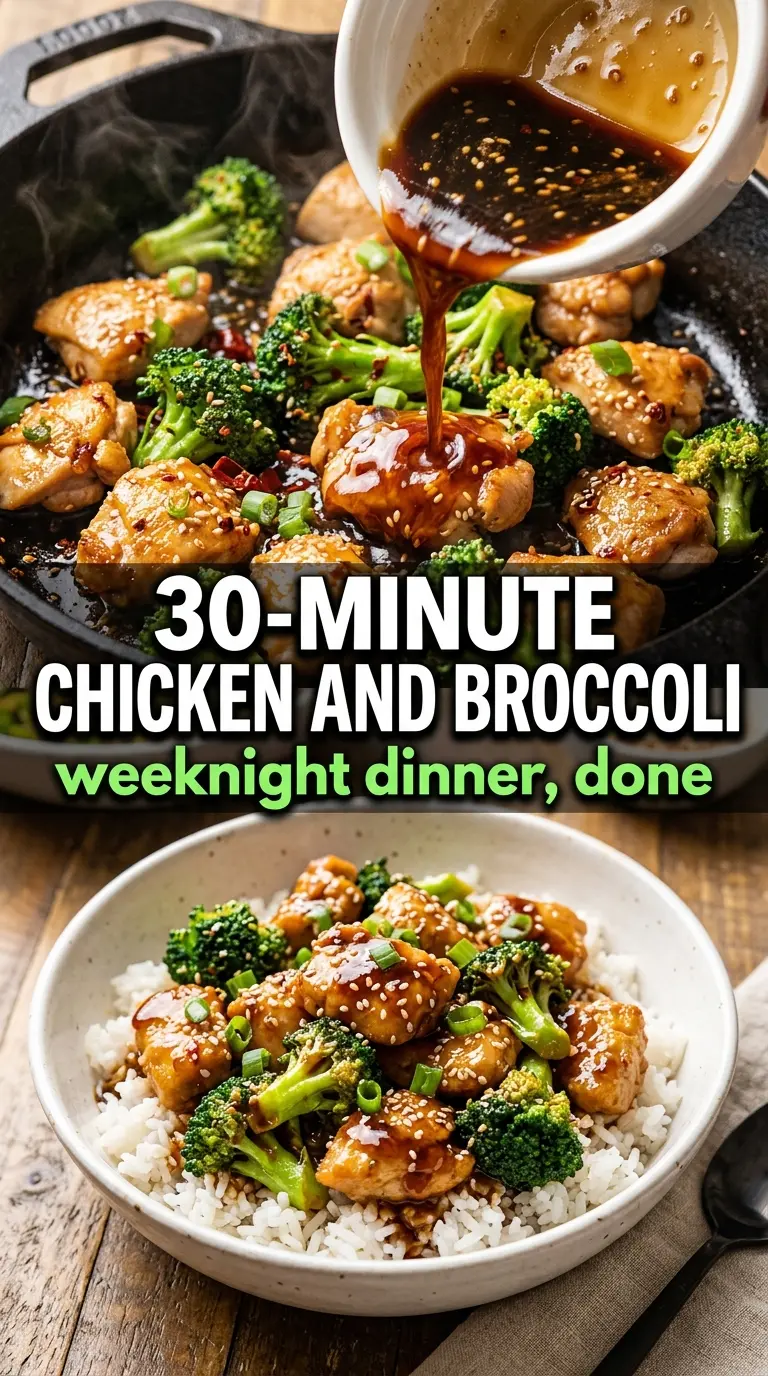
- Chicken (the foundation) — Quality chicken starts with good sourcing. Even simple seasoning tastes better on good meat.
- Olive oil or butter (the cooking medium) — Fat carries flavors and keeps chicken from drying. It’s also what makes food taste delicious.
- Salt and pepper (proper seasoning) — Season generously; underseasoned chicken tastes bland. Apply inside and outside so the seasoning penetrates.
- Garlic and onion (the aromatic base) — These add depth and complexity. They sweeten slightly when cooked, becoming mellow and round.
- Acid (lemon, vinegar, wine, or tomato) — This brightens the dish and prevents it from tasting heavy. It also helps balance rich sauces.
- Fresh herbs or spices (the character) — These define the personality of the dish. Choose ones that complement your other flavors.
- Cream or sauce base (optional richness) — A sauce keeps the chicken moist and flavorful. Make sure it’s balanced with acid and herbs.
- Proper cooking technique (the final step) — Whether baking, pan-searing, or simmering, the right method ensures juicy, tender results without drying out the meat.
Building the Sauce Before the Pan Cools Down
Seasoning and Searing the Chicken
Coat the chicken evenly with salt, pepper, and cornstarch, then move it straight into hot oil. You’re looking for pale gold edges and opaque centers, not deep browning all over, because the chicken finishes in the sauce later. If the pieces stick at first, leave them alone for another minute; they’ll release once they’ve seared.
Keeping the Broccoli Bright
Add the broccoli to the second round of hot oil and stir it just until the color turns vivid green and the stems start to lose their raw crunch. If it sits too long, it goes army-green and soft before the sauce even goes in. The goal is tender-crisp broccoli that still has some snap under the sauce.
Blooming the Garlic and Ginger
Garlic and ginger only need about 30 seconds in the pan. Any longer and the garlic starts to scorch, which makes the whole sauce taste bitter. As soon as you smell them bloom and turn fragrant, pour in the sauce mixture and stir right away so nothing sticks to the bottom.
Thickening and Finishing the Glaze
The sauce should bubble and thicken within 1 to 2 minutes. It will look a little loose at first, then turn shiny and spoon-coating as the cornstarch activates. Slide the chicken back in and toss until every piece is lacquered; if the sauce seems too tight, add a splash of broth, not water, so you don’t dilute the flavor.
How to Adapt This Chicken and Broccoli Without Losing the Sauce
Make it gluten-free
Use a gluten-free soy sauce or tamari, and check that your oyster sauce and hoisin are certified gluten-free or swap in gluten-free versions. The texture stays the same, and the sauce still gets that glossy finish.
Use chicken thighs for a richer skillet
Boneless skinless thighs stay a little juicier and bring more flavor to the pan, especially if you like a deeper savory note. They may need a couple extra minutes to cook through, but they’re forgiving and hard to dry out.
Make it vegetarian
Swap the chicken for extra-firm tofu or seared tempeh and use vegetable broth instead of chicken broth. Tofu will soak up the sauce beautifully if you press it first and brown it before adding the broccoli.
Stretch it with extra vegetables
Snap peas, sliced bell peppers, or thin carrots fit into the same cooking rhythm as the broccoli. Add the harder vegetables first so they soften at the same rate, then finish with the broccoli so it stays bright.
Storage and Reheating
- Refrigerator: Store leftovers in an airtight container for up to 4 days. The sauce will thicken as it chills, but the flavor holds up well.
- Freezer: It freezes, though the broccoli softens after thawing. Freeze in portions for up to 2 months if you don’t mind a softer vegetable on reheat.
- Reheating: Warm gently in a skillet over medium-low heat with a splash of broth or water to loosen the sauce. The common mistake is blasting it in a hot pan or microwave, which dries out the chicken and turns the broccoli mushy before the center is hot.